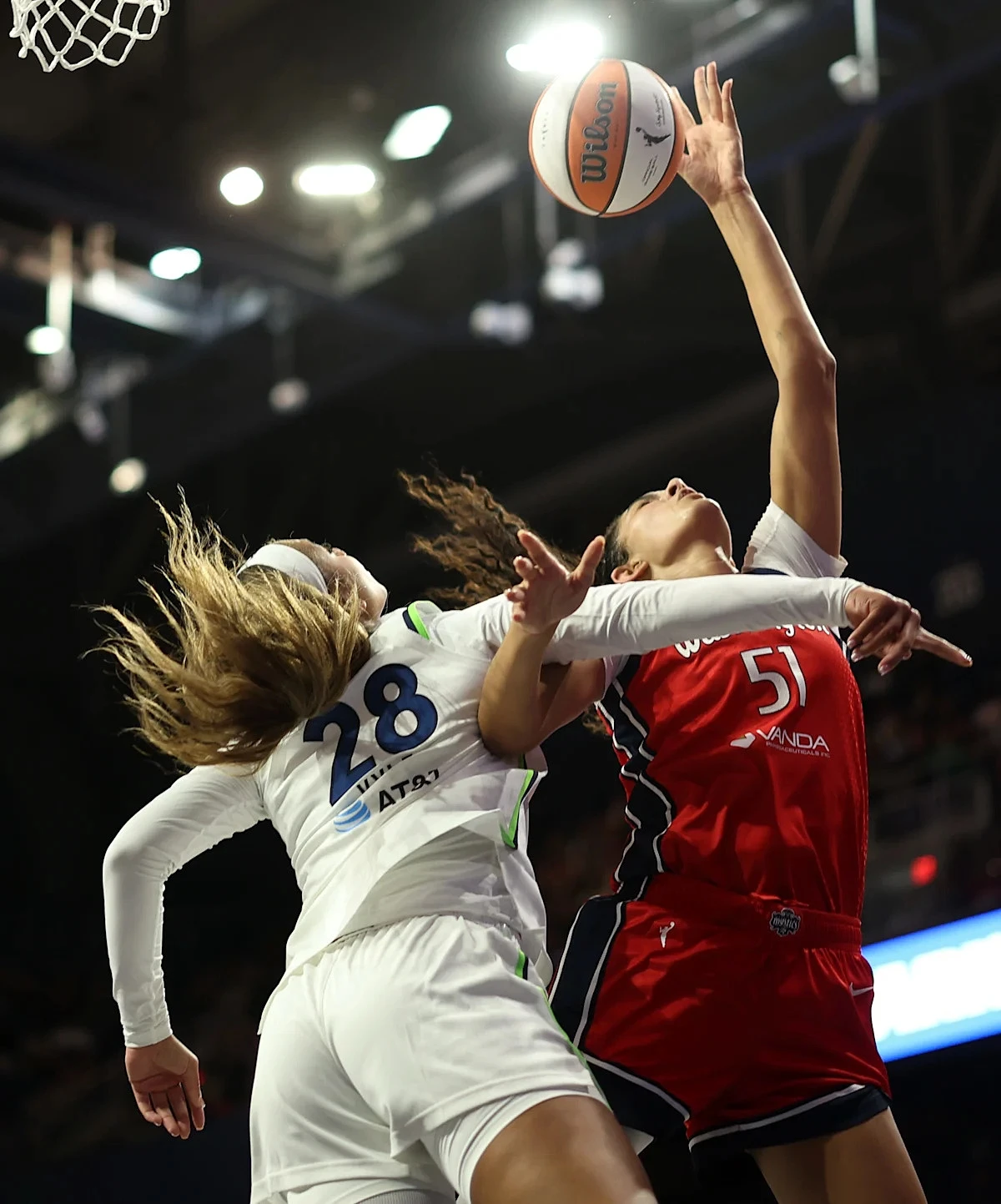
The WNBA is making a bold statement about the future of the game, announcing significant changes to how physical play will be managed starting in the 2026 season. According to a new report from Front Office Sports, the league is revamping its fine structure for technical fouls, flagrant fouls, and flopping, with fines set to increase by 2.5 times their 2025 levels. These adjustments, part of the collective bargaining agreement, are designed to strike a balance—raising the cost of excessive contact while keeping penalties proportionate to player salaries.
This move comes amid growing conversations about the league's physicality, and few voices are as influential as Cheryl Reeve, head coach of the Minnesota Lynx. During a national media availability on Tuesday, Reeve—who has been outspoken about officiating standards in the past—shared her optimism about the changes. "What I'm excited about is that there is an understanding that how our game has looked the last two years is not how we want it going forward," she said. "While they were hard at work on the collective bargaining agreement, we were hard at work on the state of the game."
Reeve acknowledged that the transition won't be immediate. "It may take us a little while to really calibrate and get where we want to be. We've seen a lot of fouls being called. What we've committed to as sort of the stewards of the game is that we know that players are smart, and they'll adjust." Her vision is clear: a faster, more fluid brand of basketball that highlights the skill and athleticism the WNBA is known for. "We're working really hard because we don't want the level of physicality that we've seen in our game, and so I'm confident that the game is gonna, therefore, be more fluid, with freedom of movement. We play beautiful basketball in the WNBA. We gotta make sure that it's not marred with unnecessary physical contact."
For fans and players alike, these changes signal a commitment to preserving the artistry of the game while reducing the disruptions caused by overly aggressive play. As the league prepares for the 2026 season, the focus remains on creating a more dynamic and enjoyable experience for everyone on the court—and in the stands.