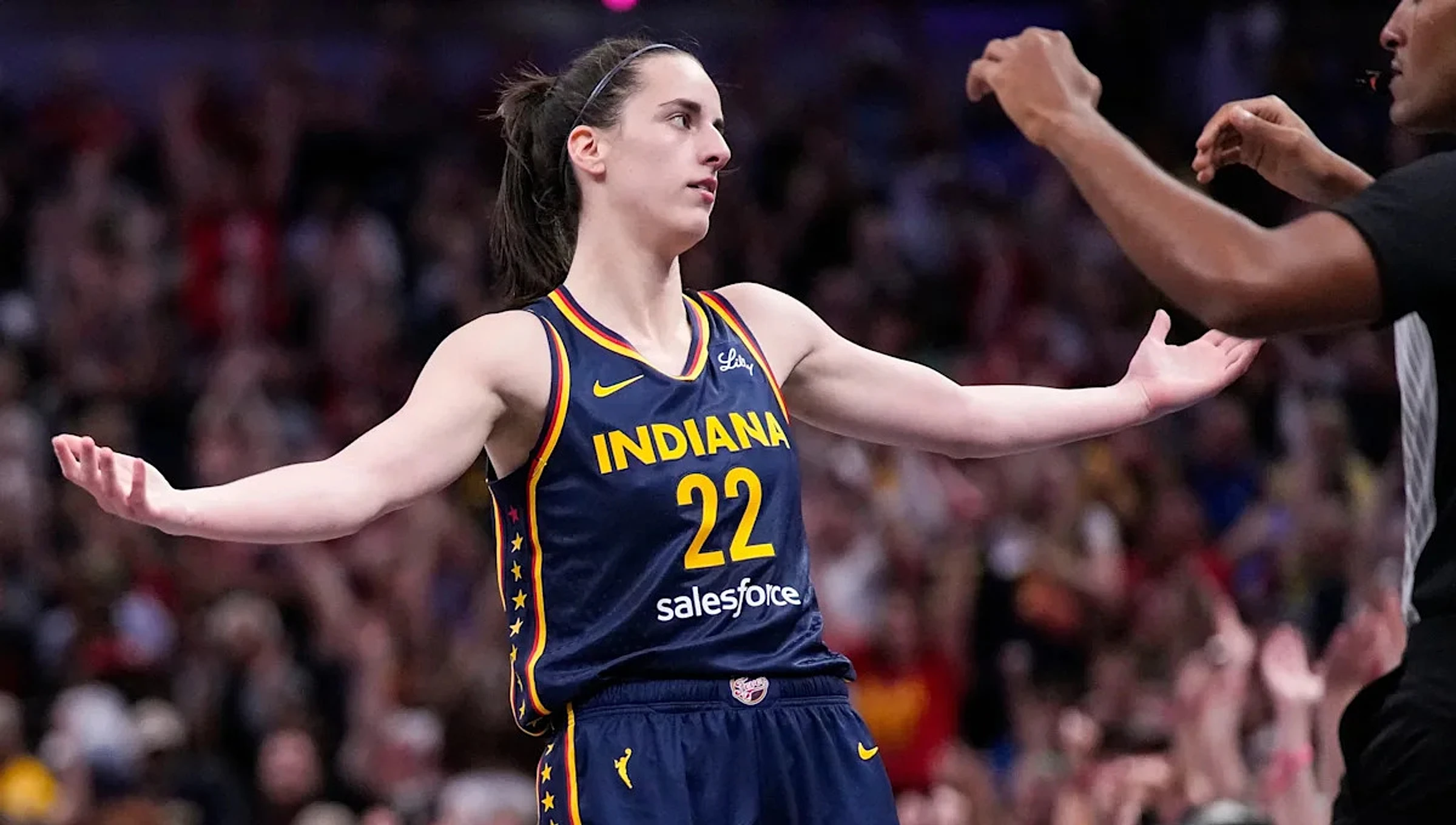
The WNBA's 2025 season shattered records for television viewership and attendance, but a cloud of disappointment lingered: fans missed seeing Caitlin Clark dominate on the court. The rookie sensation was limited to just 13 games due to a series of soft tissue injuries that plagued her campaign.
Since stepping into the league, Clark has faced the WNBA's famously physical brand of basketball—some even questioning whether opponents targeted the sharpshooter with extra aggression. While it's impossible to say for certain if that relentless physicality contributed to her injury woes, it certainly didn't help her stay on the floor.
Now, the WNBA is stepping up to protect its brightest stars. A slate of rule changes, including stiffer penalties for flagrant fouls, aims to curb unnecessary roughness and keep players healthier. According to Front Office Sports, the league has overhauled its flagrant foul points system: a Flagrant 1 now costs one point, and a Flagrant 2 costs two, with each point carrying a $500 fine—a 2.5x increase from last year's $200.
The new system also introduces automatic suspensions. Players hit four points receive a one-game ban, while those who earn a Flagrant 2 with three points already accumulated—or reach six points total—face a two-game suspension. It's a clear message: excessive physicality will no longer be tolerated.
Early signs suggest officials are tightening their whistles, too. During the preseason, 2026 first overall pick Azzi Fudd noticed the shift. "I thought you could be physical in the W, and anytime you touch someone, it's a foul," she remarked in a postgame press conference, capturing the adjustment players are making.
Minnesota Lynx head coach Cheryl Reeve, who helped shape the changes, emphasized their necessity. "While they were hard at work on the CBA, we were hard at work on the state of the game," she said. "We don't want the level of physicality that we've seen."
For fans of Caitlin Clark—and the WNBA's next generation of stars—these rule tweaks signal a league committed to protecting its most electrifying talent. Less time on the sidelines means more highlight-reel plays, and that's a win for everyone.