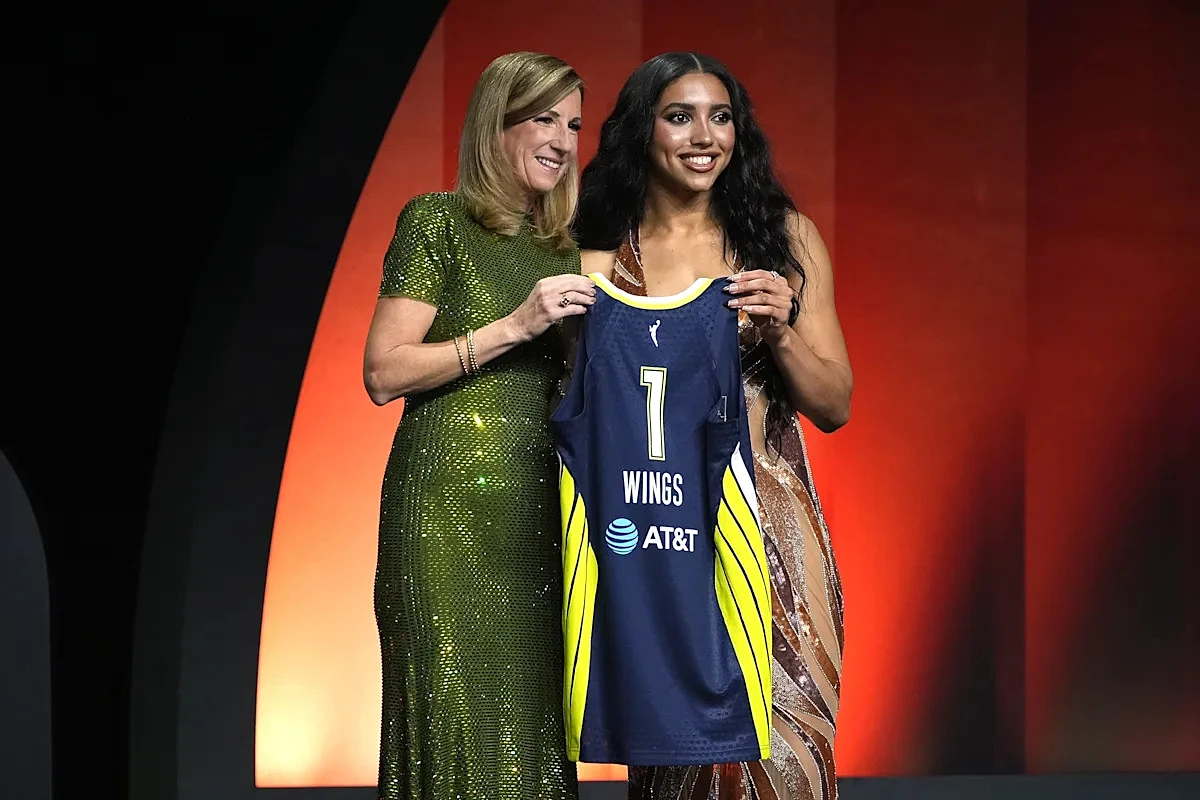
The WNBA landscape has changed dramatically, and the proof is in the paycheck. Thanks to the league's historic collective bargaining agreement, the incoming rookie class is stepping into a new era of professional compensation. This seismic shift is perfectly illustrated by the staggering difference between the last two No. 1 overall picks, both drafted by the Dallas Wings.
Last year, superstar Paige Bueckers earned a rookie salary of $78,831. This year, her former UConn teammate Azzi Fudd, selected first overall, is set to earn a cool $500,000 for her debut season. That's more than a six-fold increase in just one year, highlighting the immediate and profound impact of the new CBA on player earnings.
This isn't just about the top pick. The financial uplift extends across the entire draft board. The top five selections in the 2026 draft—Fudd, Olivia Miles, Awa Fam Thiam, Lauren Betts, and Gabriela Jaquez—are all set to earn well over $350,000 in their first year, with total contract values soaring past $1.7 million each. This represents a monumental leap from the previous scale, where top picks like Justė Jocytė and Ajša Sivka entered the league with salaries under $80,000.
For years, WNBA players have advocated for salaries that reflect their elite talent and the growing popularity of the league. The new CBA is a landmark victory, ensuring that the next generation of stars, from day one, is valued at a level commensurate with their game-changing abilities. It's a win for the players and a exciting sign of the league's accelerating growth, promising a more sustainable and competitive future for women's professional basketball.