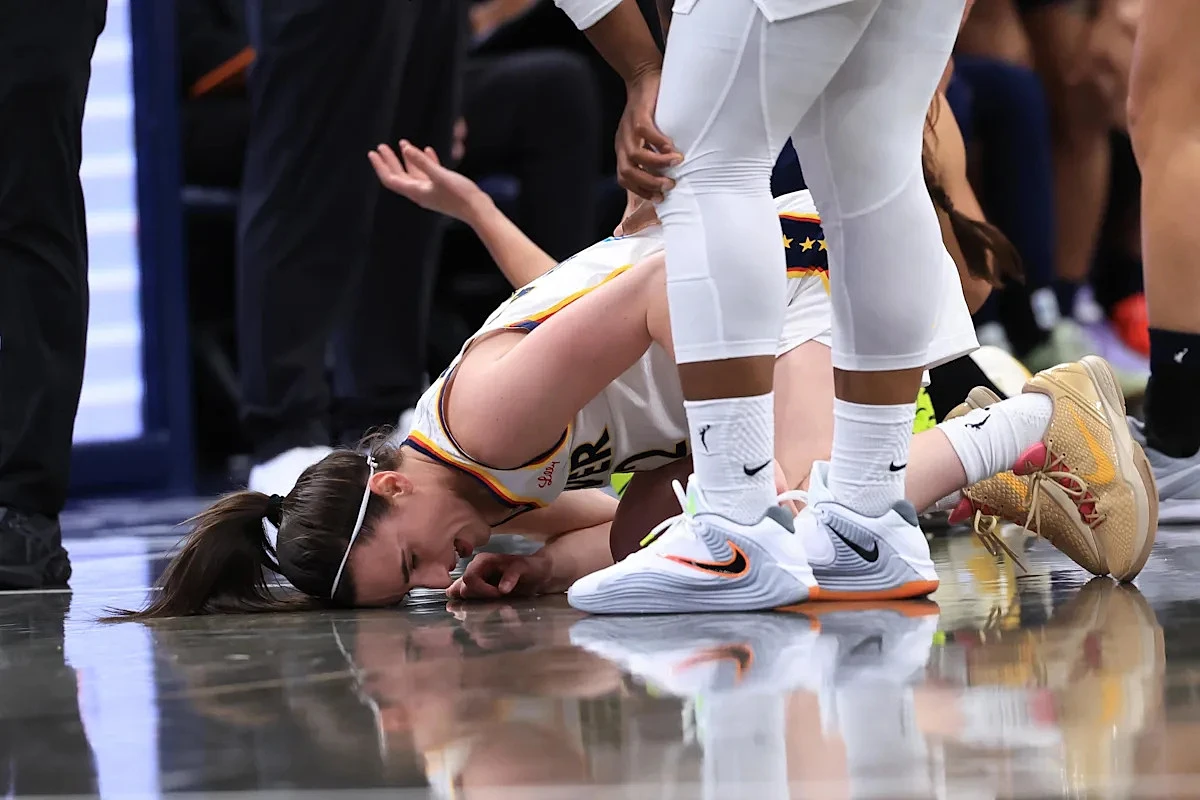
The WNBA is sending a clear message this season: the days of unchecked physicality are numbered. For years, the league has been known for a more rugged style of play compared to the NBA, where hard fouls and intense contact were almost part of the game's identity. But under a new collective bargaining agreement and updated officiating points of emphasis, the league is taking significant steps to clean things up—and it could change the way the game looks and feels.
At the heart of this shift are steeper fines for technical and flagrant fouls. According to Front Office Sports, the cost of these penalties has jumped dramatically. Under the old structure, technical foul fines started at just $200. Now, players will face a $1,000 fine for their fourth through seventh technicals, with a warning letter issued after the fifth. Hit that eighth technical, and it's a $1,500 fine plus a one-game suspension—and every technical after that comes with another suspension. That's a steep climb from last year, when the maximum fine for a seventh technical was only $800.
The playoff structure is even tougher. Technicals reset for the postseason, but the fines escalate quickly: a third technical brings a $1,000 fine and a warning, while a fourth results in a $1,500 fine and an automatic one-game suspension. For a league where every playoff game carries immense weight, that's a serious deterrent.
Flagrant fouls are managed through a points system—one point for a Flagrant 1, two for a Flagrant 2. Under the new rules, players will pay $500 per point, up from $200 last season. Accumulate four points, and you're automatically suspended for one game. That's a major incentive for players to dial back the aggression, especially in a league where physical play has often been celebrated as a competitive edge.
So what does this mean for the game? Coaches and players are already weighing in. Some see it as a necessary evolution to protect player safety and improve the flow of the game, while others worry it could water down the physical toughness that has defined the WNBA. But one thing is clear: the league is prioritizing skill and finesse over brute force, and fans can expect a faster, cleaner brand of basketball moving forward.
For those of us who love the game, this shift could mean more highlight-reel plays and fewer hard fouls that stop the action. And for players, it's a reminder that the cost of crossing the line just got a lot higher. Whether you're a fan of the old-school physicality or ready for a new era, one thing's for sure—the WNBA is changing, and it's worth watching closely.