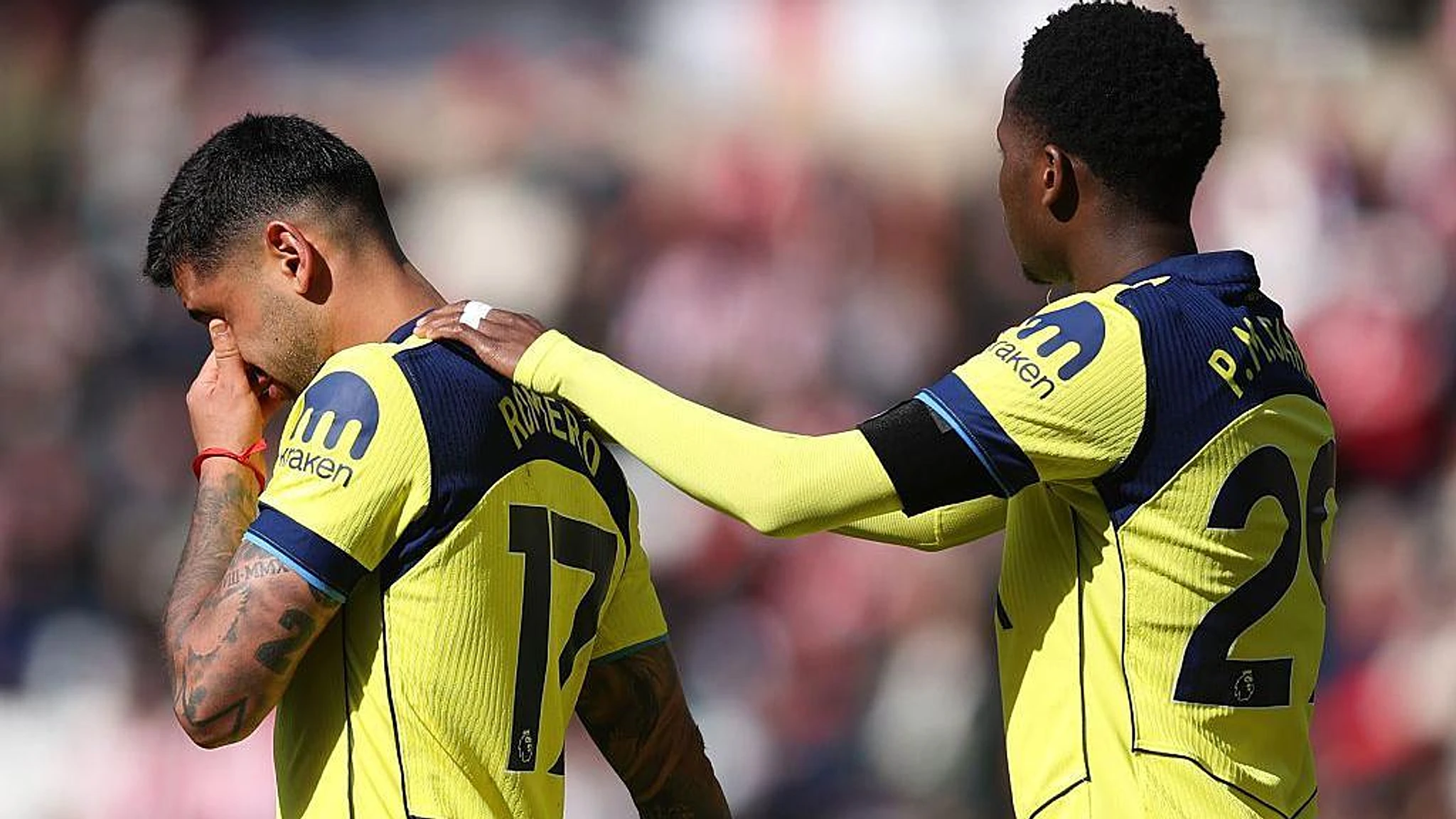
The image of a tearful Cristian Romero walking past his new manager, Roberto de Zerbi, on the touchline may come to define Tottenham Hotspur's season. It was a moment of raw emotion that captured the despair of a club in freefall, suffering a deserved 1-0 defeat at Sunderland.
De Zerbi's tenure, beginning after the chaotic 44-day experiment with Igor Tudor, needed an immediate spark. Instead, Spurs delivered another lifeless performance. The sight of their captain and defensive leader, Romero, leaving the pitch injured and visibly distraught with 25 minutes remaining, felt like a symbolic low point in a campaign spiraling toward the Championship.
Any debate about Spurs being "too good to go down" has long been settled by a brutal 14-game Premier League winless streak. The pressing question now is whether they are simply too bad to stay up. Based on the evidence at the Stadium of Light, the answer is increasingly grim.
While the extent of Romero's apparent knee injury is unclear—De Zerbi called him a "crucial player" the team desperately needs—the manner of his exit sparked debate. Former England goalkeeper Ben Foster questioned whether a leader's tearful departure, with the game still in the balance, sent the right message to a team already reeling from misfortune.
The goal itself was cruel, with Nordi Mukiele's shot deflecting off Micky van de Ven past keeper Antonin Kinsky. But as Foster noted on Match of the Day, such bad luck is the fate of teams in crisis. "Romero's probably the one player who has got a bit of character in that team," Foster said. "I want him to be walking off the pitch grabbing everybody, getting everybody firing. They've still got 25 minutes."
Instead, the lasting impression was one of surrender. For a club of Tottenham's stature, the slide has been shocking. The tears of their captain may well be remembered as the poignant emblem of a giant's fall, a stark warning of the consequences when fight and belief evaporate.