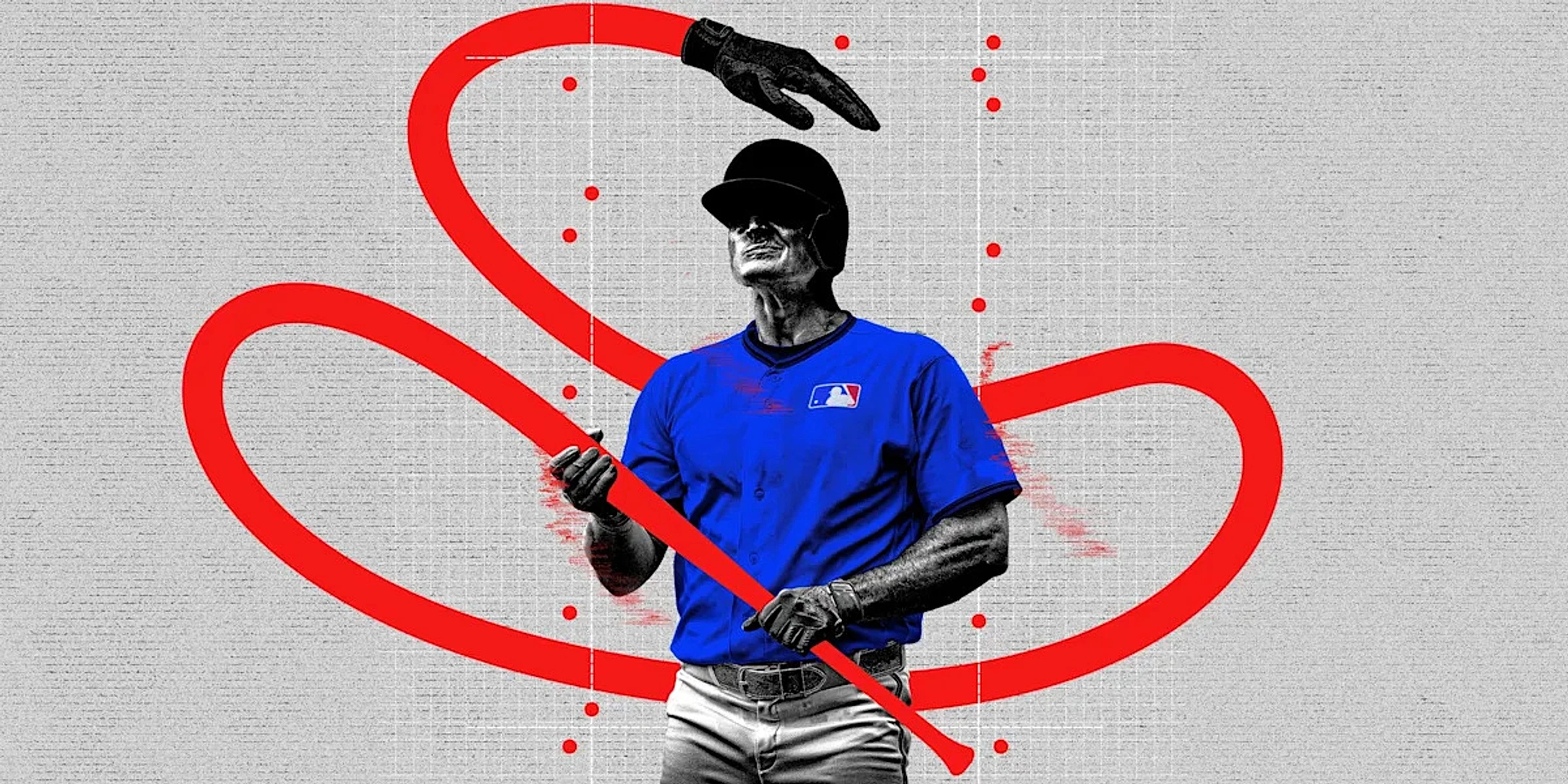
In the ever-evolving landscape of Major League Baseball, the introduction of the Automated Ball-Strike (ABS) challenge system has been a game-changer—but not without its quirks. As the 2026 season unfolds, players, umpires, and even scoreboard operators are navigating a new layer of complexity: the head tap gesture. While the system has largely been a success, this seemingly simple signal has sparked moments of confusion that could shape how the game communicates going forward.
Picture this: a batter thinks they've been robbed on a close pitch. In a split second—literally two seconds—they must decide to challenge. The rule says to tap your helmet or hat, ideally while yelling "challenge!" to the ump. Sounds straightforward, right? But here's the catch: players touch their heads all the time. A wipe of sweat, an adjustment of the batting helmet, a nervous tick—any of these can be mistaken for a challenge request. Umpires, tasked with reading intent in real-time, sometimes get it wrong. The result? Accidental challenges that leave everyone scratching their heads.
According to MLB's spring training guidelines, the responsibility falls squarely on the player to "effectively communicate their desire to challenge." Yet, in the heat of the moment, that's easier said than done. The system works flawlessly 99% of the time—the player taps, the ump sees it, the stadium screen lights up, and the call is reviewed. But that pesky 1% has already caused enough kerfuffles to warrant a closer look. For instance, even a superstar like Shohei Ohtani isn't immune to the confusion, proving that this is a league-wide learning curve.
The good news? Familiarity breeds clarity. As players and umpires log more reps with the ABS system, these wrinkles should smooth out. Experience will teach everyone—from the dugout to the press box—to read the signal with precision. For now, the occasional mix-up is simply the cost of doing business in a sport that's blending tradition with technology. And for fans watching from home or at the ballpark, it's a reminder that even baseball's most innovative tools still rely on human intuition—and a well-timed head tap.