Formula 1 is currently navigating two parallel sets of engine discussions that could shape the sport's future—and one of them might just take us back to the roaring days of V8s. Let's break down what's happening and why it matters for fans and the sport alike.
The more urgent conversation is about fixing issues with the new engines introduced this year. Teams and officials need a solution within weeks if changes are to be ready for next season. These talks are already in full swing, focusing on short- and medium-term tweaks to improve performance and reliability.
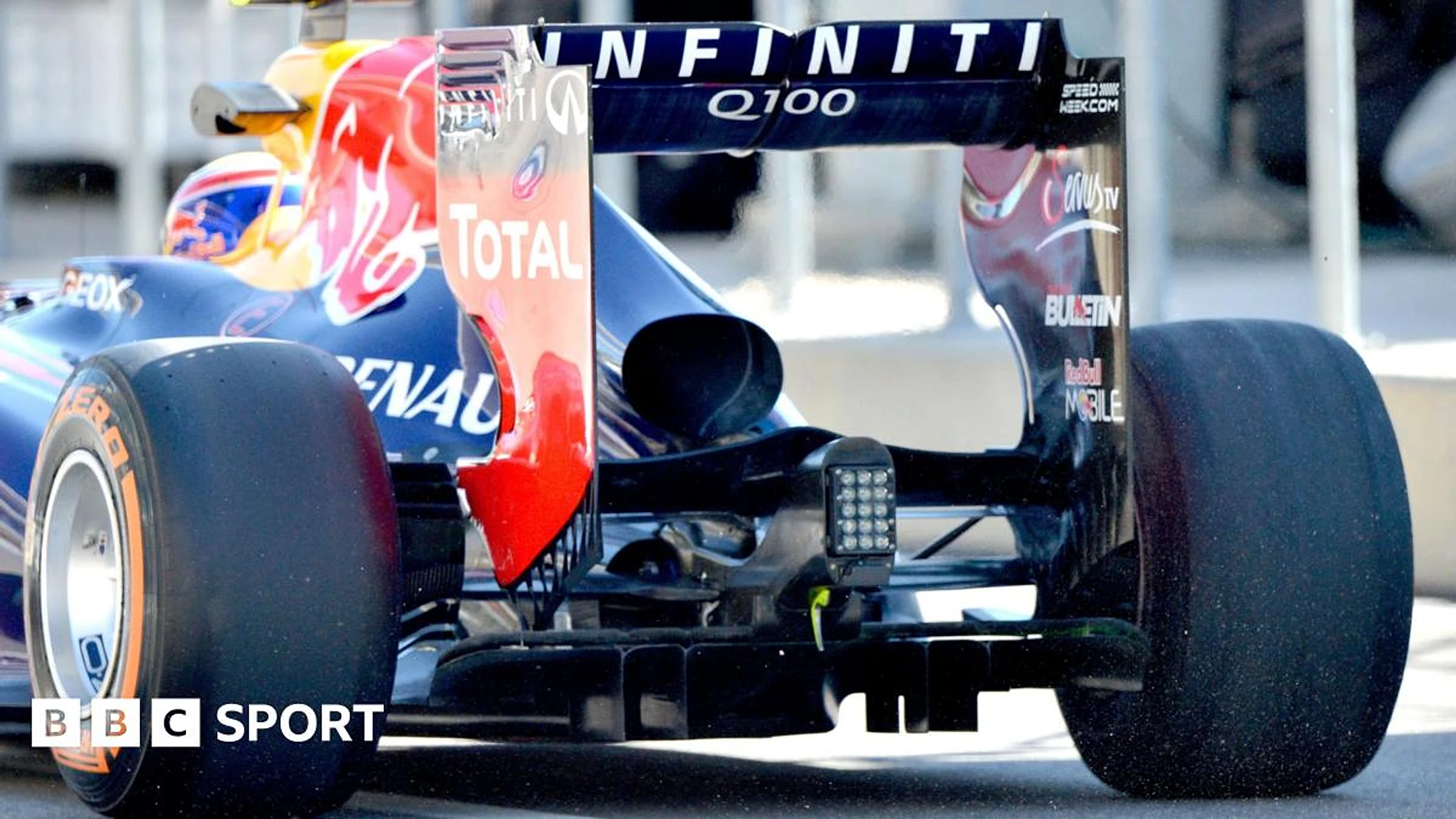
But the bigger, longer-term debate is about what engine F1 should use when regulations change again in four to five years. FIA President Mohammed Ben Sulayem is championing a bold idea: a return to naturally aspirated V8 engines, paired with a token hybrid system—essentially the same setup F1 last used in 2013. It's a nostalgic pivot that raises eyebrows, especially since it seems to step back from the road-car technology trends that once drove F1's hybrid push.
Why go back? Well, there's a growing consensus across the paddock—even if no one's saying it loudly—that F1 dropped the ball with the current engine rules. The new cars have brought some positives, like closer racing and more overtakes, and TV viewership is up (the first three races all saw significant audience gains). But there's a catch: the excessive energy management required has diluted the pure driving experience, especially in qualifying. It's changed what it means to be an F1 driver, and not in a way that purists appreciate.
The core issue is the nominal 50-50 energy split between internal combustion and electric power. Without major compromises, it just doesn't work as intended. So, while the sport celebrates better racing, it's also grappling with a fundamental identity crisis.
Looking ahead, the next engine regulations aren't due until 2031, and the current Concorde Agreement—binding teams, F1, and the FIA—runs out in 2030. That gives Ben Sulayem the leverage to impose whatever engine rules he wants. Whether that means V8s are back on the table, or something entirely new, the clock is ticking for F1 to find its engine sweet spot once again.