Formula 1 is currently navigating two parallel engine discussions that could reshape the sport's future. While the first focuses on immediate fixes for the 2023 power units, the second—and arguably more exciting—debate centers on what engines will roar under the hood come 2031.
Let's start with the short-term drama. The new engines introduced this season have sparked concerns, particularly around energy management that's dampening the raw driving experience. Teams and officials are racing against time to find solutions within weeks, aiming for changes before next year's championship. It's a high-stakes pit stop for the sport's credibility.
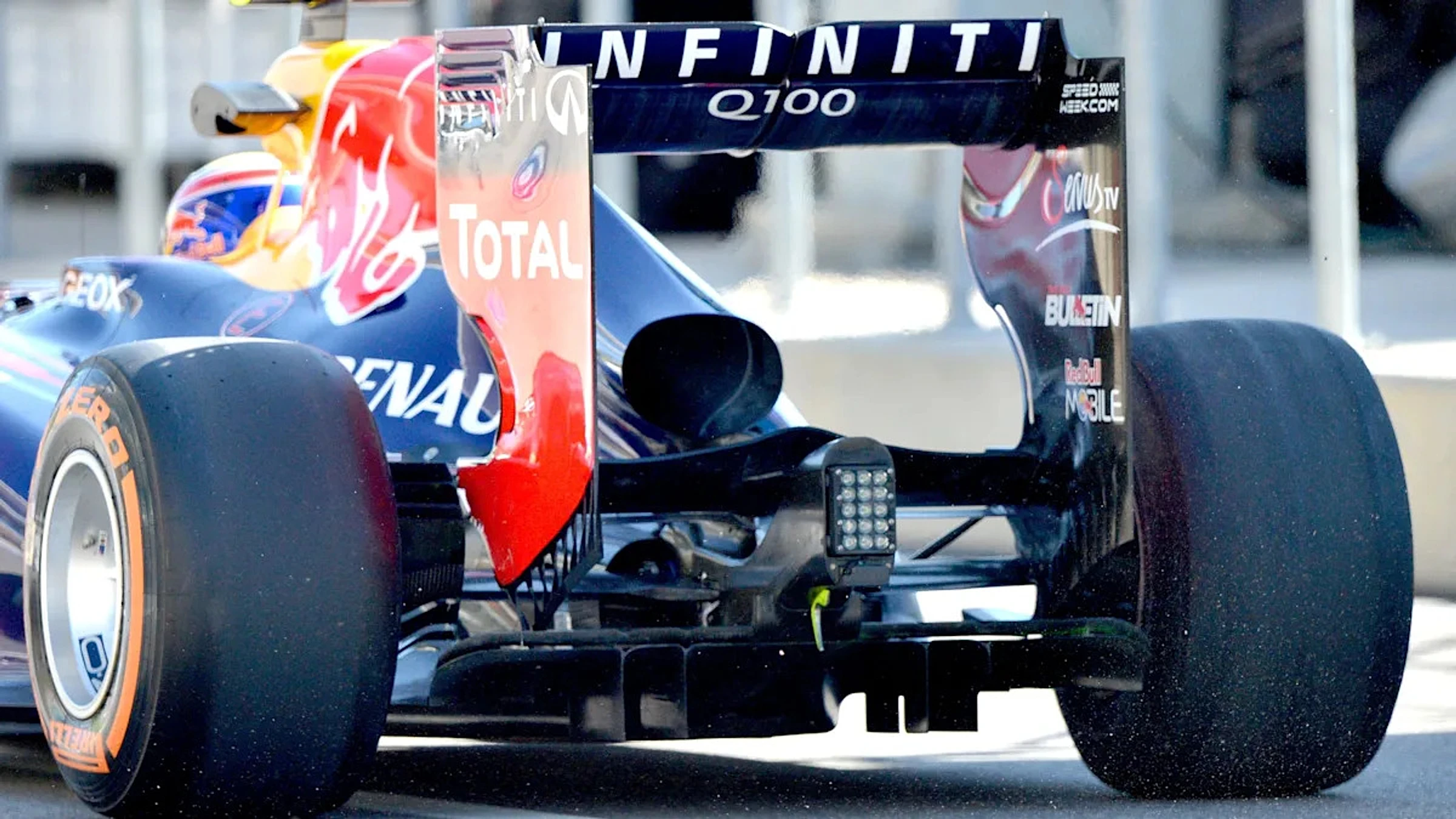
But the real buzz is about the long game. FIA President Mohammed Ben Sulayem is championing a nostalgic twist: a return to naturally aspirated V8 engines with a token hybrid system—essentially the rules that defined F1 until 2013. Think roaring engines, purer driving, and a sound that makes the hairs on your arm stand up. For fans who miss the golden era of V8s, this is music to the ears.
Why go back to the past? Even as road cars slowly embrace electrification, F1 admits it dropped the ball with the current engine regulations. While the new cars have improved racing with more overtakes and strong TV ratings—first three races saw significant audience jumps—the excessive energy management has watered down what it means to be a driver, especially in qualifying. The 50-50 split between combustion and electrical power sounds balanced on paper but creates compromises that hurt the sport's soul.
For context, F1 has always been a playground for cutting-edge tech, but this debate is about balance. The next engine rules aren't due until 2031, giving everyone time to think. Whether we see V8s again or something entirely new, one thing's clear: the sport is listening to its heart—and the roar of the crowd.