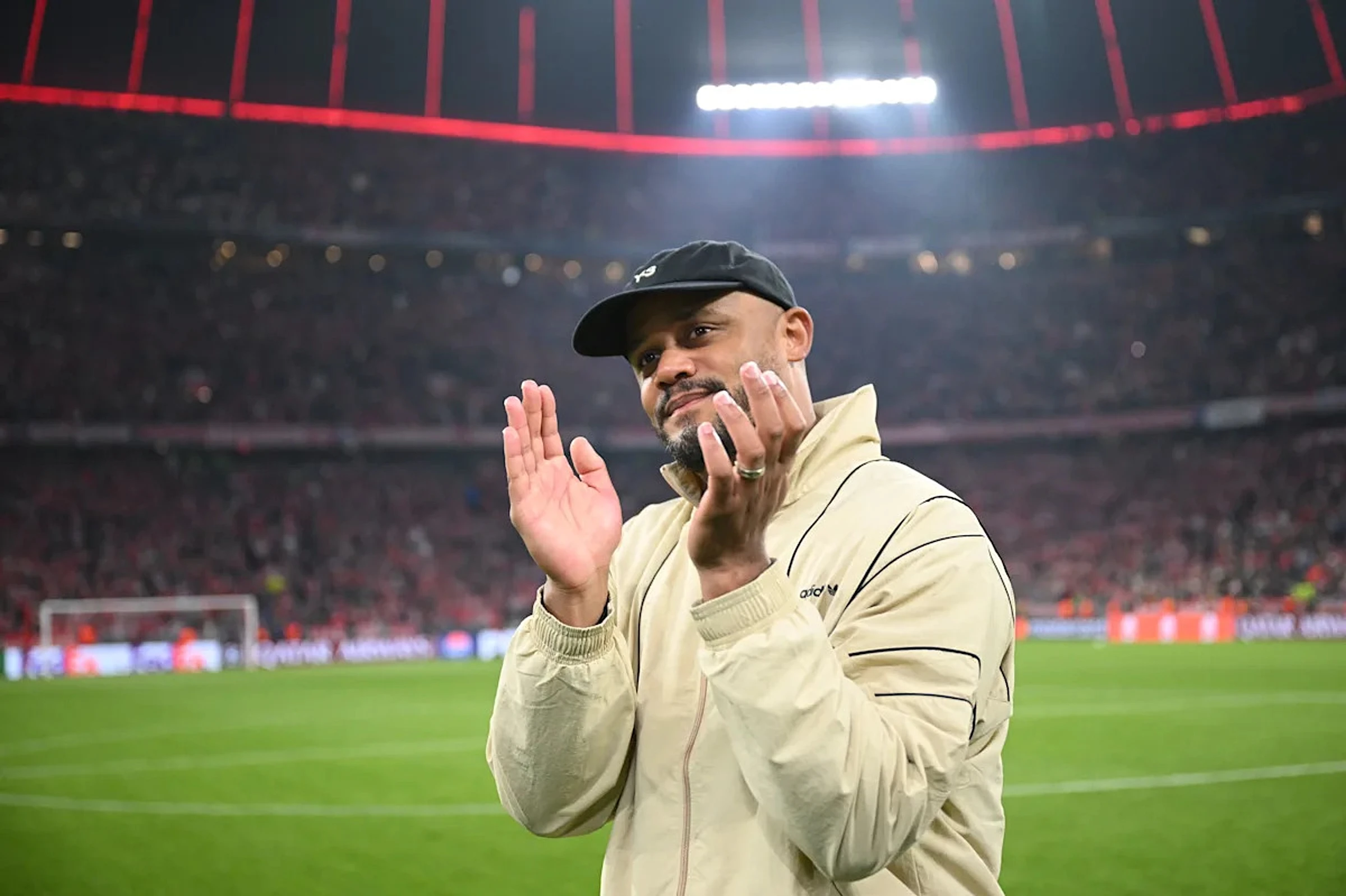
In the high-stakes world of football management, philosophy is everything. The stark contrast between Vincent Kompany's revitalizing tenure and Thomas Tuchel's turbulent spell at Bayern Munich was laid bare in a recent, brutally honest interview by club patriarch Uli Hoeneß. His comments cut to the core of what separates a unifying leader from a divisive one.
Hoeneß pinpointed two critical differences. First, he stated that Kompany possesses a unique ability to improve every player in his squad. Second, and perhaps more damning for Tuchel, was the former coach's tendency to publicly deflect blame. "I’ve never seen [Kompany] conduct a press conference where he said: I need a left-back, I need a right-back, as was the case under Tuchel," Hoeneß remarked.
The critique went deeper, highlighting a pattern of alienation. Hoeneß recalled Tuchel questioning Joshua Kimmich's quality, dismissing Ryan Gravenberch as unusable, and even asking German-born defender Josip Stanišić if he could speak the language. "These are all things that are unacceptable," Hoeneß concluded, framing it as the fundamental reason for the team's previous struggles.
For Bayern fans, this diagnosis confirmed what they witnessed on the pitch: a shift from soul-crushing, fractured football under Tuchel to a cohesive and energized style under Kompany. The turnaround has been dramatic, proving that in elite sport, the right mindset from the top can be as crucial as the talent on the field. It's a lesson in leadership that resonates far beyond the Bundesliga.