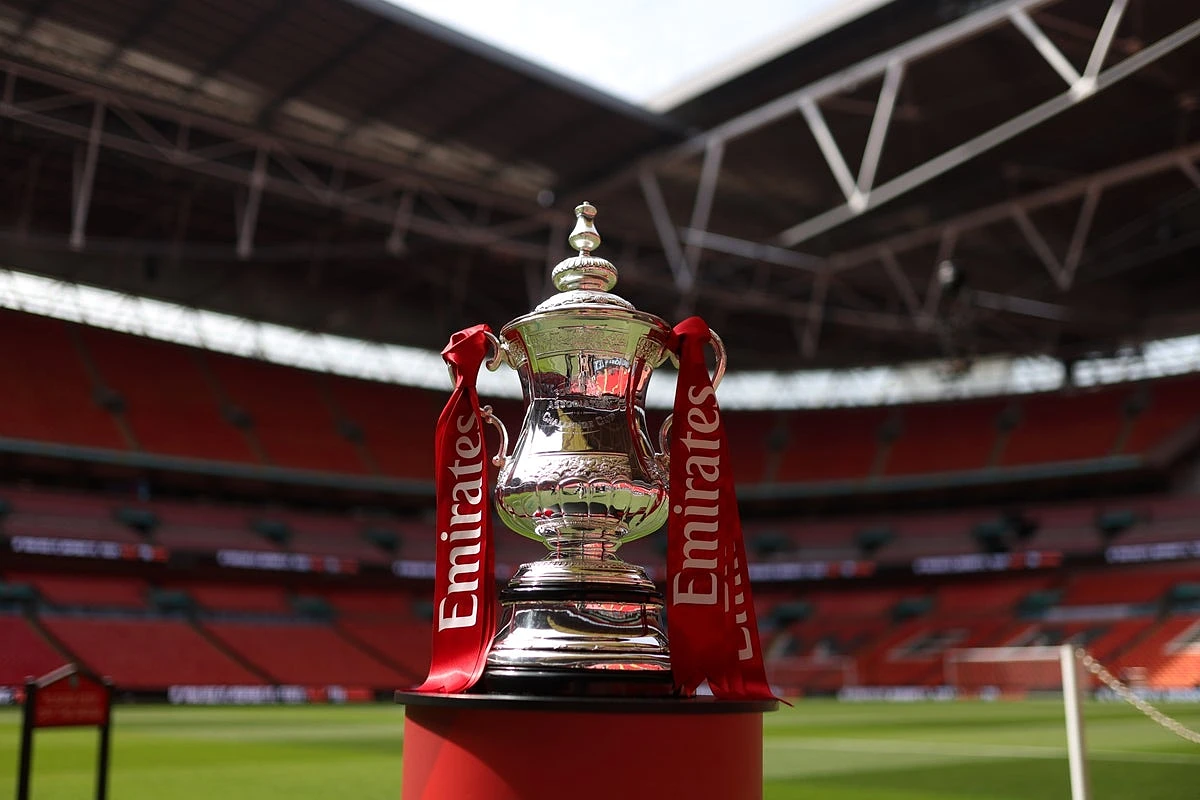
In a different era, Calum McFarlane's journey to the Wembley touchline would be the stuff of FA Cup legend. Picture this: a novice manager, just six games into his coaching career, standing on English football's grandest stage with the chance to become the first English manager to win the competition since Harry Redknapp in 2008. It's the kind of underdog story that used to capture the nation's imagination.
That suit-clad image for the final was once every manager's dream. Brian Clough, one of the game's greatest characters, only got to experience it two years before retirement and never lifted the trophy. Now, McFarlane is 90 minutes away from glory, with the added drama of having to outwit a tactical genius like Pep Guardiola. It should be a fairy tale.
But here's the thing: the magic of the FA Cup doesn't feel quite the same anymore. In years past, moments like this—think Sunderland's Malcolm Crosby in 1992 or Alan Ashman's sole major success with West Brom in 1968—were cherished as part of the competition's rich tapestry. Today, McFarlane's story feels less like a charming quirk and more like a symptom of modern football's distortions.
This FA Cup final, set between Chelsea and Manchester City, raises a fair question: will anyone outside those two clubs really care? It's a matchup that seems to struggle for a place in the news cycle, overshadowed by bigger narratives. City are locked in an intense Premier League title race, with Guardiola's future uncertain. Chelsea are searching for a permanent coach, with Xabi Alonso reportedly in the frame. Meanwhile, Tottenham's relegation battle and Arsenal's title charge—alongside a Champions League final—dominate headlines.
Even the ownership story adds to the disconnect. Chelsea's questionable financial experiment under their new regime has produced strange outcomes, including elevating a coach like McFarlane through their relationship with Kinetic. It's a far cry from the romantic unpredictability of cup football we once knew.
So, as the final approaches, this clash of Premier League giants feels like a game the modern game itself created—but one that might leave the rest of us watching from a distance.