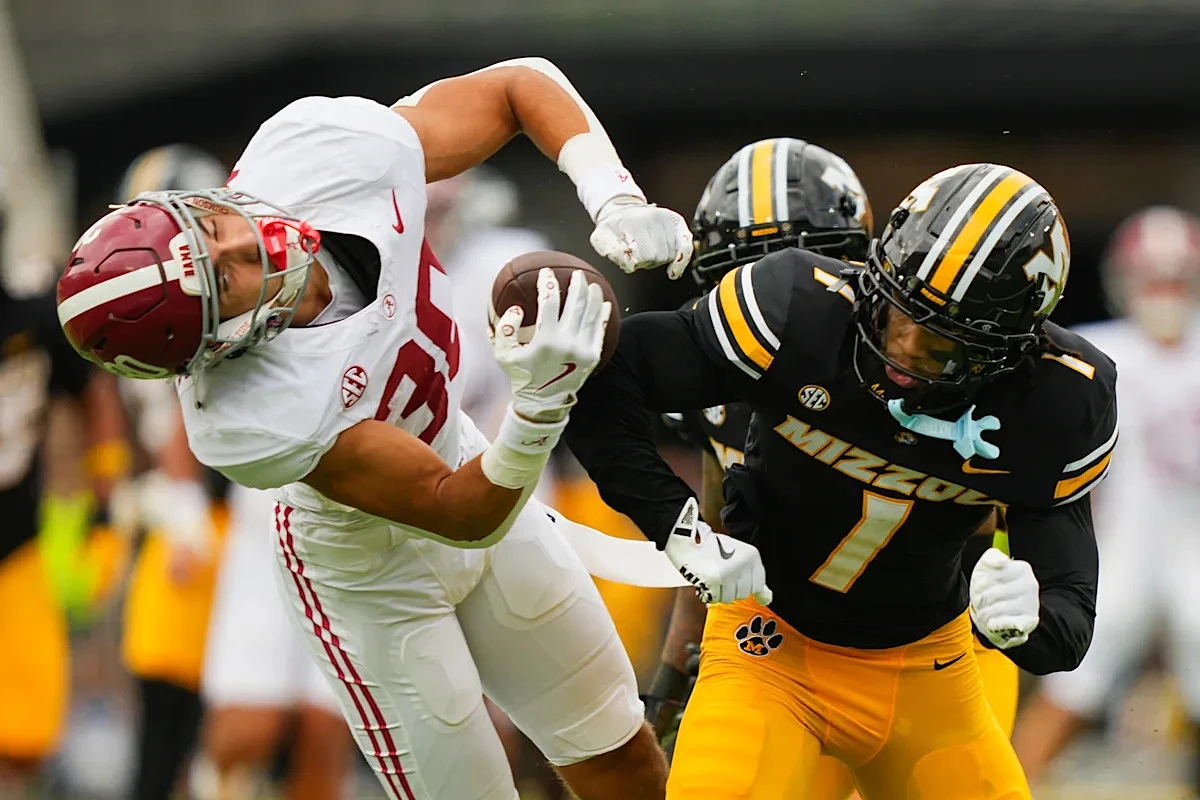
College football's targeting rule has long been a lightning rod for debate, balancing player safety with the competitive integrity of the game. In a significant shift for the 2026 season, the NCAA is testing a major adjustment that will ease one of the rule's harshest consequences.
Gone is the automatic suspension for a first-time offense. Previously, a player ejected for targeting in the second half of a game would be forced to sit out the first half of the next contest—a penalty that could even carry over from one season to the next. This often meant a single, split-second decision could impact two crucial games.
The new one-year trial, approved by the Division I Football Bowl Subdivision Oversight Committee, removes that next-game suspension for an initial targeting foul. The in-game ejection remains, but the player will be eligible to start the following week. This change acknowledges the severe competitive penalty the old rule imposed, especially in high-stakes rivalry games or postseason play.
However, the NCAA isn't going soft on repeat offenders. The stricter punishment is preserved for players who commit a second targeting foul within the same season. This maintains a strong deterrent against dangerous play while offering a degree of leniency for what might be an isolated, albeit illegal, hit.
For players and fans, this means fewer season-altering suspensions stemming from a single call. It's a move that prioritizes player availability and game flow, while still upholding the core mission of the targeting rule: to protect the athletes on the field. As the 2026 season approaches, all eyes will be on how this trial run affects the style of play and the frequency of these game-changing penalties.