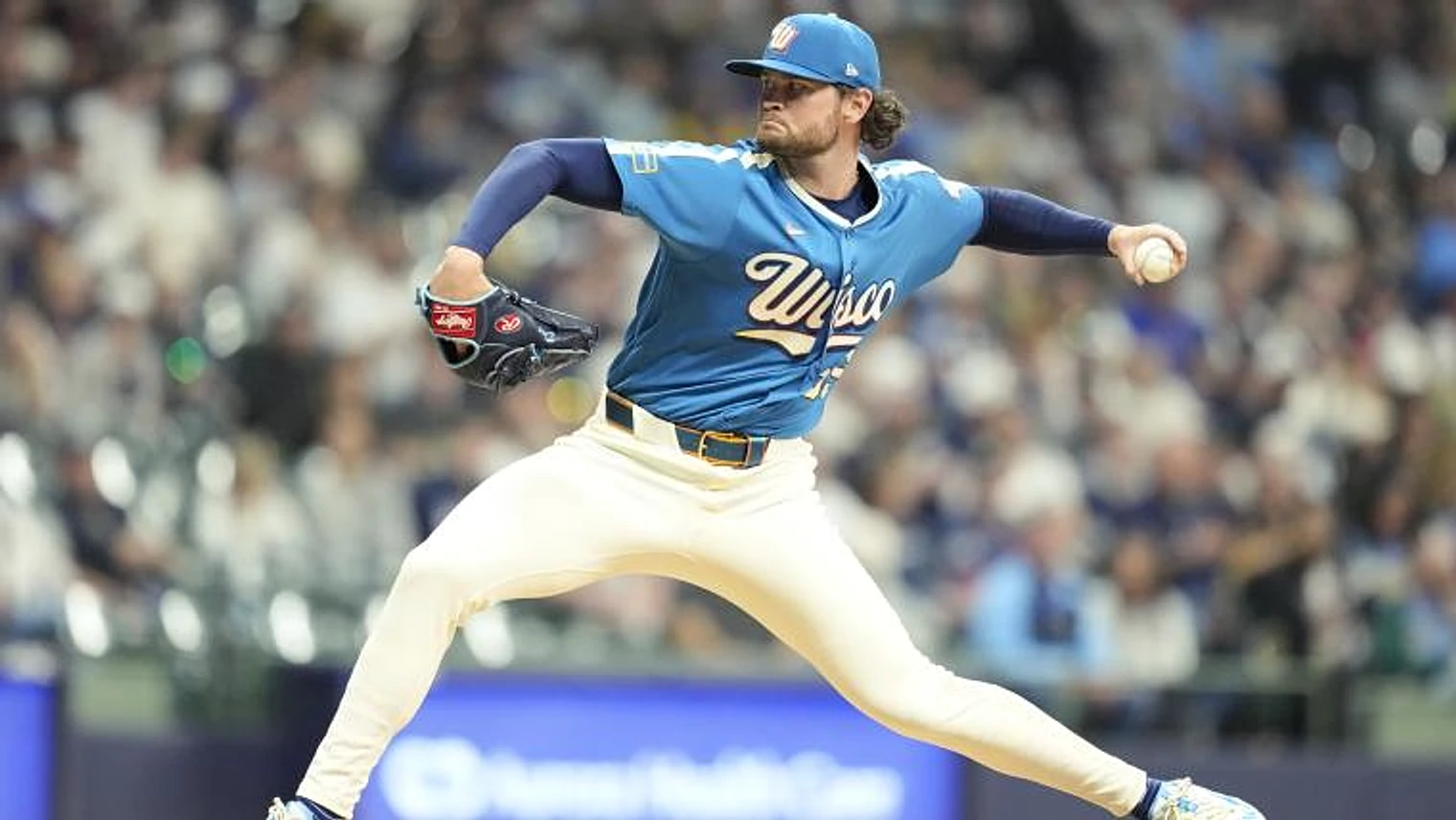
If you thought a 6-0 game couldn't possibly end with a save, think again. Baseball's quirky 3-inning save rule made headlines after Friday night's matchup between the Milwaukee Brewers and New York Yankees, leaving even die-hard fans scratching their heads.
Here's what happened: The Brewers cruised to a 6-0 victory at Yankee Stadium. On paper, that's a blowout—hardly save territory. But when reliever Shane Drohan took the mound in the seventh inning and closed out the final three frames, he walked away with his first career save. Wait, how does that work?
It all comes down to a lesser-known clause in baseball's save rule. Most fans know the standard version: a reliever gets a save by entering with a lead of three runs or fewer and finishing the ninth inning. But there's an exception that's been on the books since the rule was created—one that honors the game's history when relievers regularly pitched multiple innings.
The rule states that any pitcher who finishes a game with at least three innings pitched, regardless of the score, qualifies for a save—as long as they're not already the pitcher of record for the win. That's exactly what Drohan did. He entered with a six-run lead, worked three clean innings, and earned the stat.
Believe it or not, this isn't even the most extreme example. There's actually been a save recorded in a 30-3 MLB game. It's rare, sure, but it's a beautiful nod to baseball's past when relievers were workhorses, not specialists.
For Drohan, it's a memorable milestone. And for fans watching at home, it's a reminder that baseball's rulebook still has a few surprises up its sleeve. So next time you see a lopsided score and a save pop up, you'll know the story behind it.