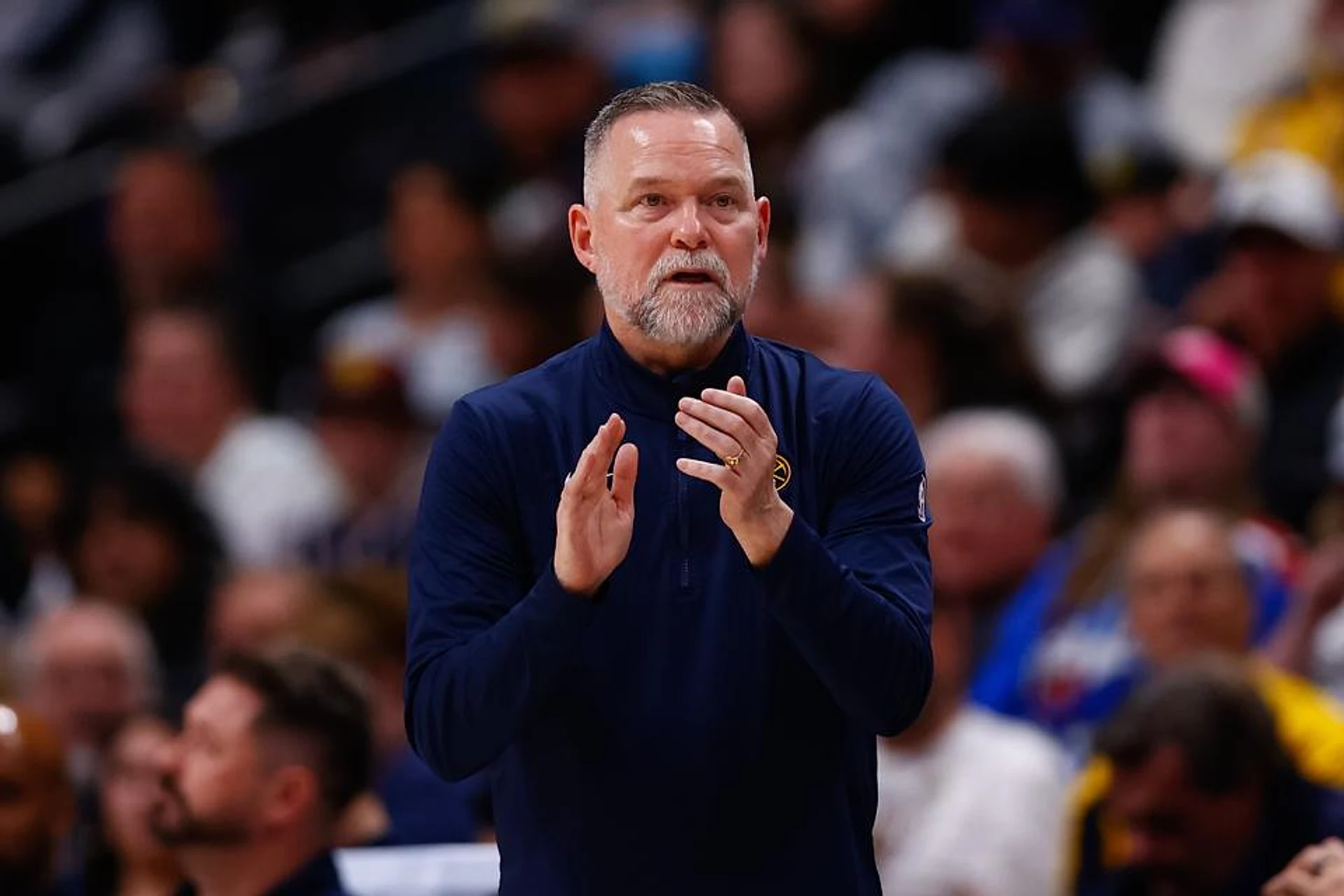
Mike Malone's introductory press conference at North Carolina was refreshingly honest. The new Tar Heels head coach, stepping into his first college role after a decorated NBA career, admitted he still has "a lot to learn" about navigating the modern collegiate landscape. His reported 6-year, $50 million deal comes with immense pressure, but also a clear mandate: build a winner in the era of NIL and the transfer portal. For a blueprint, he need look no further than the newly crowned national champions.
Michigan’s storybook run to its first title since 1989 was powered by a masterclass in portal construction. The Wolverines started five transfers, proving that a cohesive, talented team can be assembled quickly around a core philosophy. Their success demonstrates that for a tradition-rich program like UNC, the portal isn't a threat to its identity but a powerful tool to accelerate a return to glory.
The championship roster's connectivity was its hallmark, as highlighted by Final Four Most Outstanding Player Elliot Cadeau, who himself transferred from North Carolina to Michigan. "Just having five people on the court that are all playmakers and also great scorers just helps us have connectivity on the court," Cadeau said, pinpointing the precise chemistry every coach seeks. Michigan identified and recruited players who fit a specific, unselfish style of play—a lesson in targeted roster building.
For Coach Malone and GM Jim Tanner, the task is clear. With over 1,700 players already in the portal, the opportunity is vast. The challenge is not just acquiring talent, but curating a group that shares a vision and can execute together under the bright lights of the ACC and March Madness. Michigan’s championship model shows that with the right evaluation and a clear system, the transfer portal can transform a program from contender to champion almost overnight. For a Carolina program eager to reclaim its place atop college basketball, that’s a template worth studying closely.