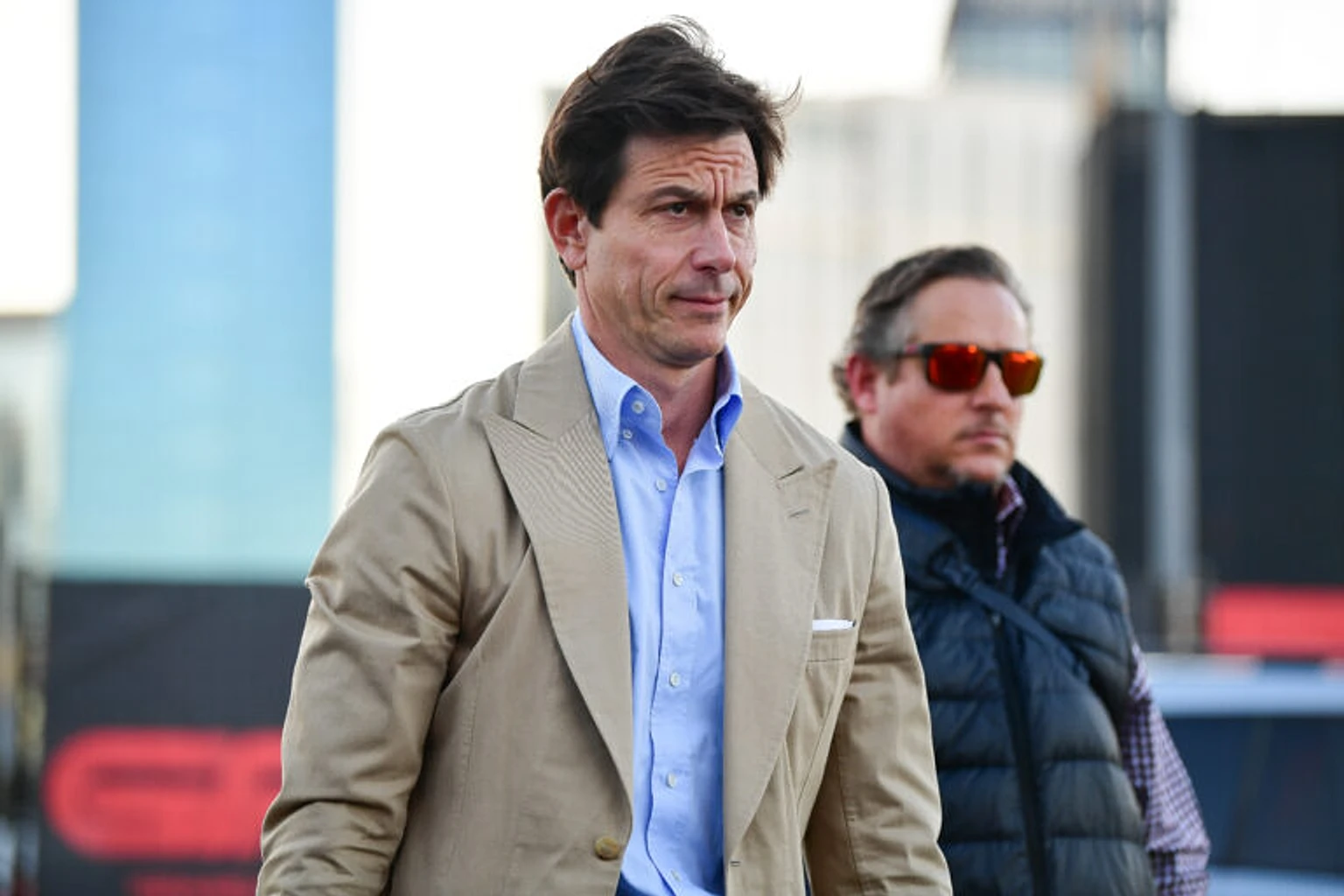
Mercedes has set the 2026 Formula 1 season ablaze, and the rest of the grid is already feeling the heat. After four dominant races, the Silver Arrows have done what many thought impossible: they've cracked the code on the new regulations. Team principal Toto Wolff, armed with rookie sensation Kimi Antonelli and seasoned veteran George Russell, has orchestrated four consecutive victories to kick off the campaign. But here's the twist—this early success isn't just turning heads; it's sending shivers down the team's own spine.
Winning is great, but winning too easily can be a dangerous game. The blistering pace has resurrected ghosts from Brackley's past, leaving Wolff to manage a ticking time bomb. Mercedes isn't just fighting Ferrari and McLaren anymore—they're fighting the psychological threat of a full-blown civil war brewing within their own garage. And if history is any guide, that's a battle far more treacherous than any on the asphalt.
Speaking with RacingNews365 after his commanding victory at the Miami Grand Prix, Antonelli—who currently leads the Drivers' Championship by 20 points after three straight wins in China, Japan, and Miami—shed light on the strict marching orders handed down before the season even began. "The team has been very clear with us since the first race in Australia," Antonelli revealed. "They said, 'You can race each other, but obviously with respect, not trying to do any stupid things between each other.' The team has given us the green light… but just be clean."
To the casual fan, that "play nice" mandate might sound like standard corporate speak. But dig deeper, and you'll see the genius—and the terror—in Wolff's strategy. He knows exactly what happens when two hyper-competitive teammates realize the only person standing between them and a World Championship is driving the same car. He lived through the infamous "Silver War" between Lewis Hamilton and Nico Rosberg from 2013 to 2016—a brutal rivalry that transformed childhood friends into ruthless adversaries. That feud got so intense that then-strategy director James Vowles had to draft a physical "rules of engagement" document just to keep the team from tearing itself apart.
Put yourself in Wolff's shoes: Would you take any chances with this? Of course not. So naturally, the Mercedes principal outlined his internal "rules of racing" to the press, making it violently clear that the team's harmony comes first—even if it means reining in two drivers who could easily become each other's biggest rivals. For now, the green light is on, but the leash is short. And in the high-octane world of Formula 1, that's a balancing act that could make or break a dynasty.