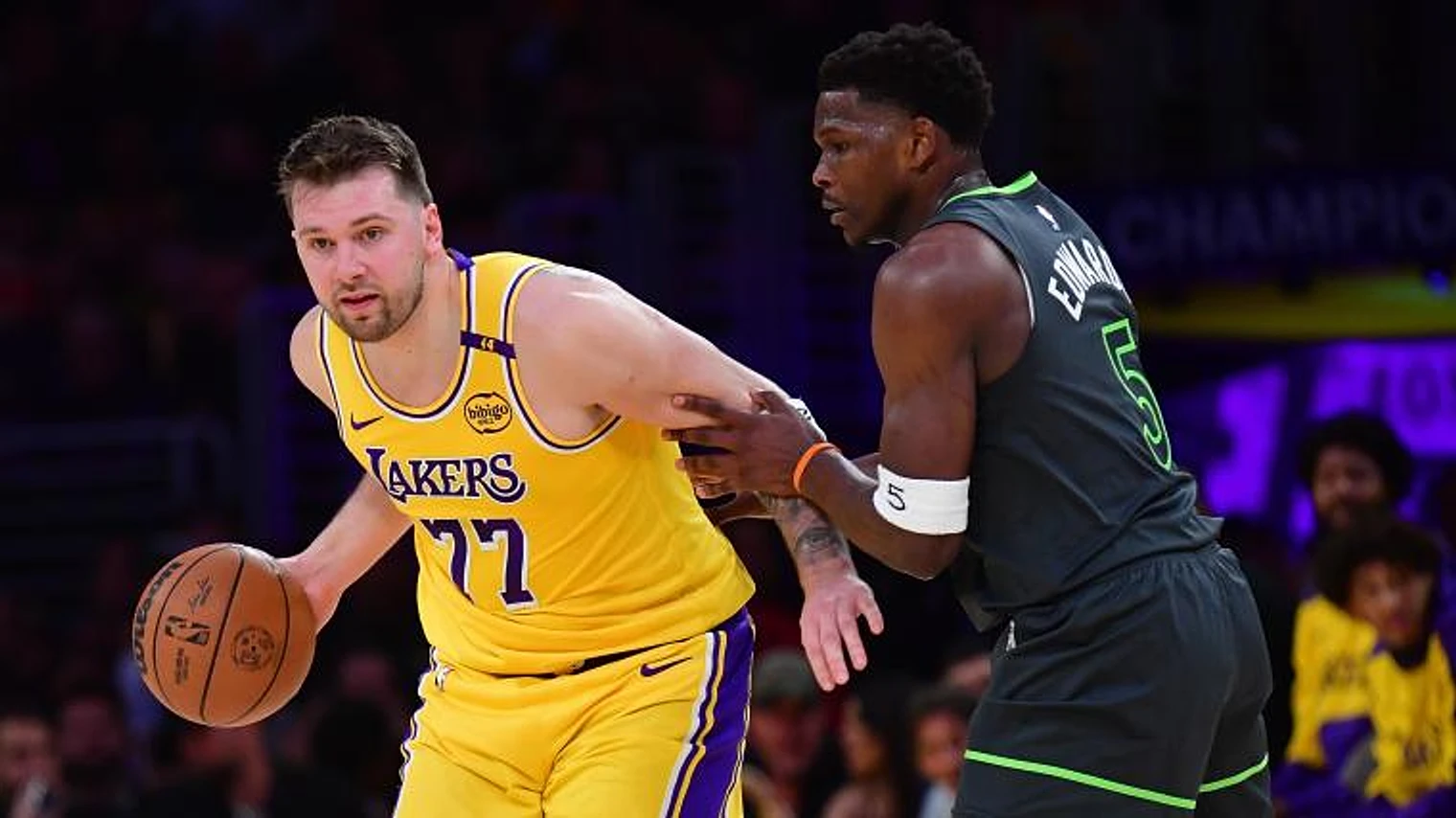
The NBA's 65-game rule for award eligibility has been a major storyline as the 2025-26 regular season concludes, sparking widespread debate about its fairness. This rule, designed to ensure stars are on the court, has created a clear divide: some players have successfully navigated its exceptions, while others have been left out of the conversation for top honors like MVP and All-NBA teams.
This week brought a pivotal development. The league announced that two superstar guards, Luka Doncic of the Lakers and Cade Cunningham of the Pistons, have been ruled eligible for postseason awards despite falling short of the 65-game threshold. However, in a contrasting decision, Minnesota Timberwolves phenom Anthony Edwards saw his challenge to the rule denied. The difference lies in the specific exceptions built into the policy.
Doncic, who finished the season having played 64 games, was just one contest shy of qualifying. His team successfully appealed based on a clause for "extraordinary circumstances," citing his two-game absence in December to be present for the birth of his daughter in Slovenia. The league agreed that this family event warranted an exception, preserving his eligibility for what has been a historic, record-breaking individual campaign.
Cunningham's case also met the league's criteria for an exception, though the specific details of his appeal were not disclosed in the initial ruling. The key takeaway is that the rule includes provisions for legitimate, unforeseen circumstances beyond a player's control.
For Anthony Edwards, the outcome was different. While the exact reason for his denied appeal hasn't been specified, it indicates his absences did not qualify under the same "extraordinary circumstances" clause. This ruling highlights the fine line the NBA is walking with this policy, rewarding availability while attempting to account for life events, creating inevitable debates about consistency and competitive fairness as awards voting approaches.