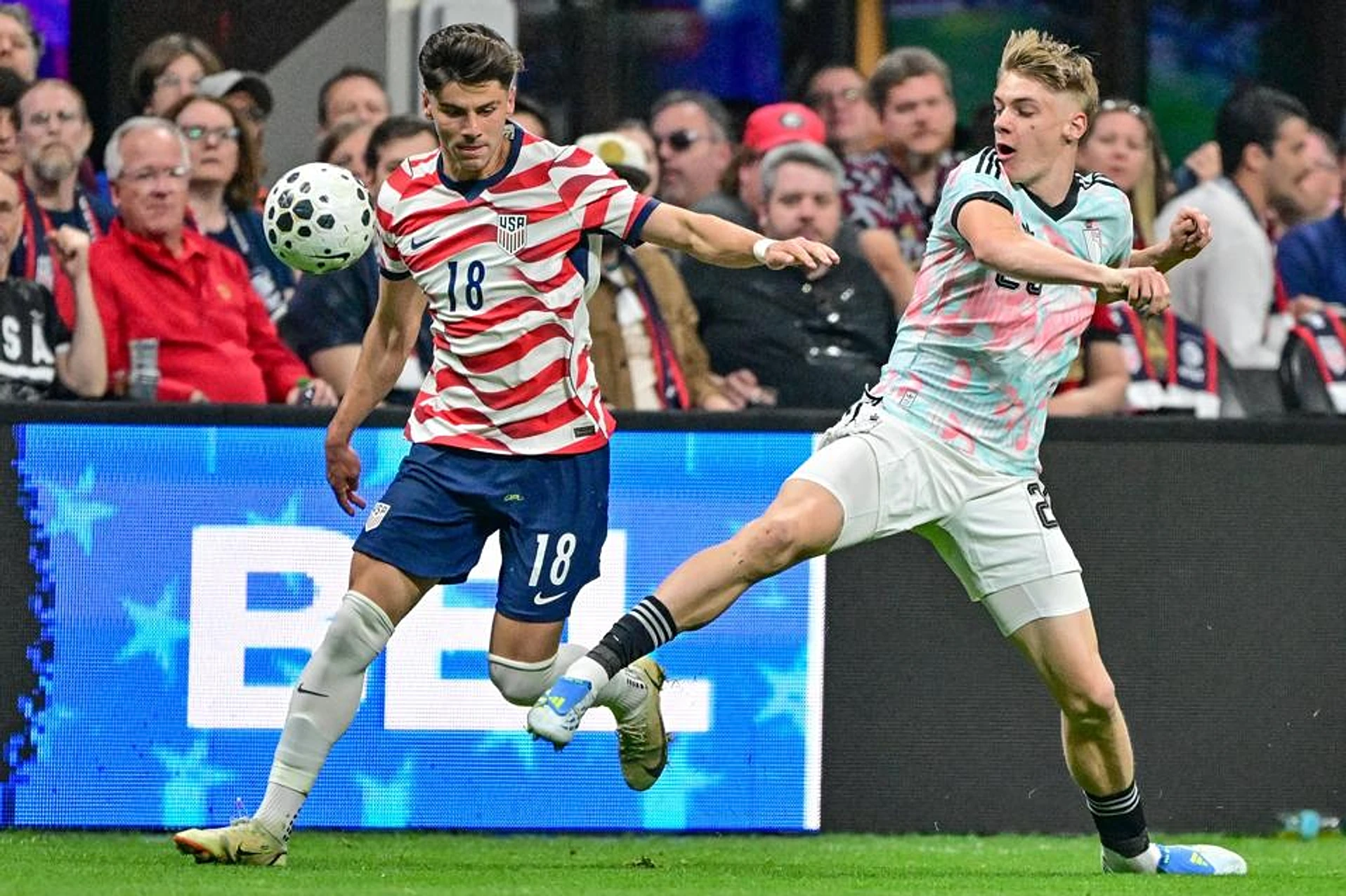
For a nation of over 343 million people, boasting world-class athletic facilities and virtually unlimited financial resources, the United States should, on paper, be a dominant force in world soccer. Yet, despite flashes of progress, the U.S. men's national team continues to trail traditional powerhouses like Brazil, Argentina, Germany, and Spain in both consistency and player development.
The real question isn't whether America can compete—recent performances have proven it can—but why it still struggles to establish itself as a true global powerhouse. The answer has less to do with talent and more to do with structure. Unlike the development models used by elite soccer nations, American soccer has historically been built on a fragmented, expensive, and commercially driven system.
At the heart of the issue lies the infamous "pay-to-play" model that dominates youth soccer, especially at the travel and club levels. While other nations rely on pro clubs to fund youth academies and actively scout in working-class communities, elite youth soccer in the U.S. often requires families to spend thousands of dollars annually on club fees, travel, coaching, and tournaments. This creates a fundamental paradox: globally, soccer is known as the world's most accessible sport, but in America, it has become a middle- and upper-middle-class suburban pursuit.
The result is a system that can sideline talented players from lower-income communities—many of whom grow up deeply immersed in soccer culture—before they ever enter elite pathways. America has the population, resources, and growing soccer culture to someday become a global powerhouse. But reaching that level requires more than enthusiasm or infrastructure. It requires a system designed to maximize talent rather than monetize participation.