Formula 1 is revving up for a major shakeup, and it’s one that could send shockwaves through the paddock. FIA President Mohammed Ben Sulayem is pushing hard to ditch the current hybrid engine era and bring back naturally aspirated V8 engines—possibly as early as 2030 or 2031. “It is happening,” Sulayem has declared, and the reasoning is simple: raw weight and spectacle.
Let’s break it down. Today’s 2026 power units are engineering marvels, but they’re also hefty—weighing in at 185 kilos. Compare that to the 2.4-liter V8s from 2013, which tipped the scales at just 130 kilos. Lighter engines mean lighter, narrower cars, and that could translate to faster, more agile racing. Plus, fans and drivers alike are craving the iconic roar of a V8—a sound that’s been muted by the current hybrid technology. It’s a return to the sport’s visceral roots.
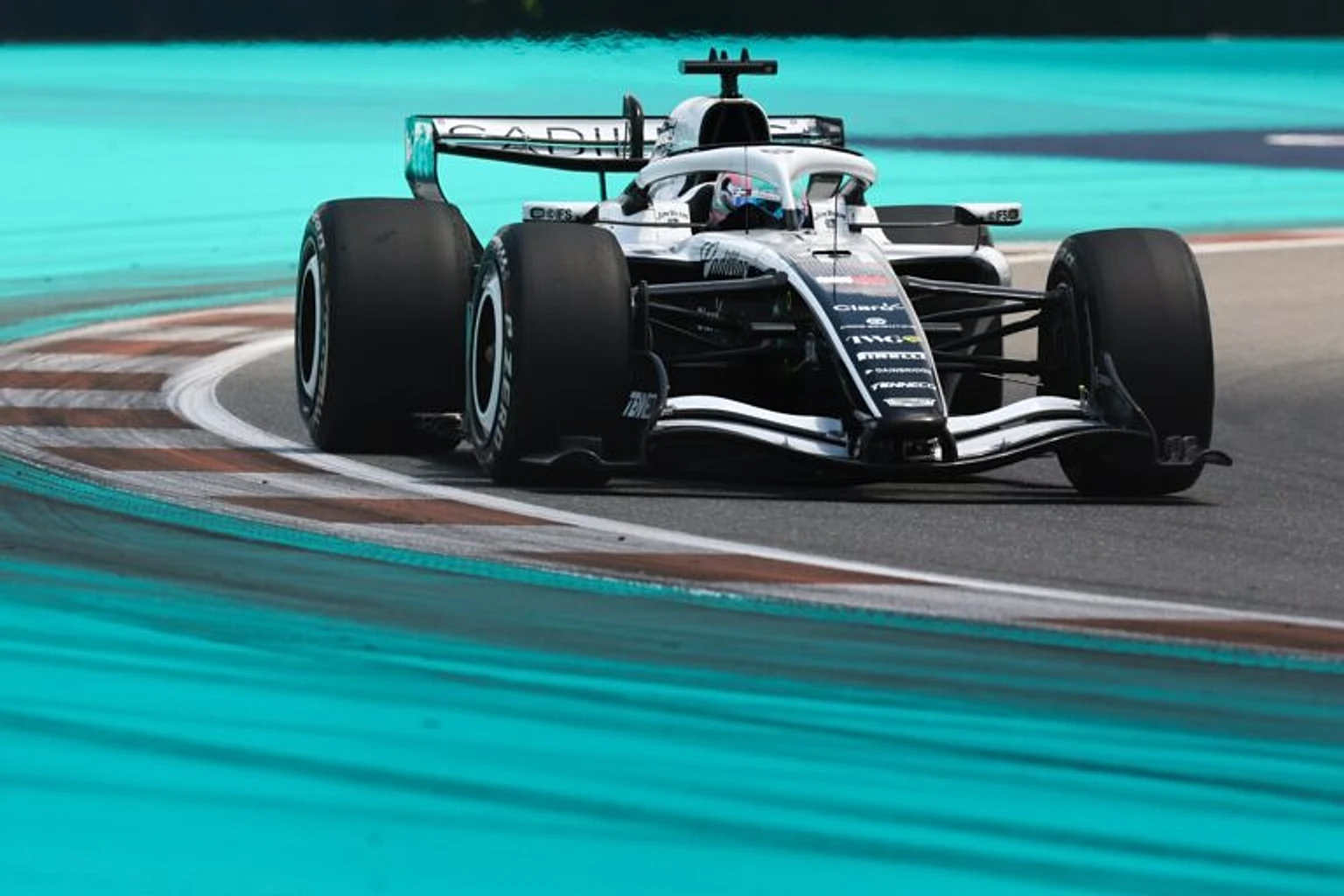
But here’s where things get tricky. This sudden shift in direction is creating a massive strategic headache for one team in particular: Cadillac. The American automaker just fought a brutal, multi-year political battle to secure a spot on the 2026 grid. Right now, they’re running as a Ferrari customer team while pouring an absolute fortune into their own internal engine program. We’re talking close to $150 million in investment, with a state-of-the-art facility in North Carolina dedicated to developing bespoke V6 turbo-hybrids, set to debut in 2029.
Now imagine this: if Ben Sulayem successfully forces a V8 switch in 2030 or 2031, Cadillac’s brand-new hybrid power unit could become obsolete just one or two seasons after hitting the track. That’s a curveball that could derail their entire strategy.
Yet, surprisingly, General Motors seems unfazed. GM President Mark Reuss recently stated that while they respect the current hybrid investments, they love the sound of a V8 and will “be ready” if the regulations shift. Even Ford is on board with the move. But the bigger question remains: will the European giants play ball? While American brands are all aboard the hype train to run past the battery stage, the sport’s traditional powerhouses might have other ideas.
For now, the F1 world is watching closely. The return of the V8 could be a game-changer for the sport’s spectacle, but it’s also a $150 million gamble for Cadillac. Whether this engine revolution revs up or stalls out, one thing’s for sure: the road ahead is anything but predictable.