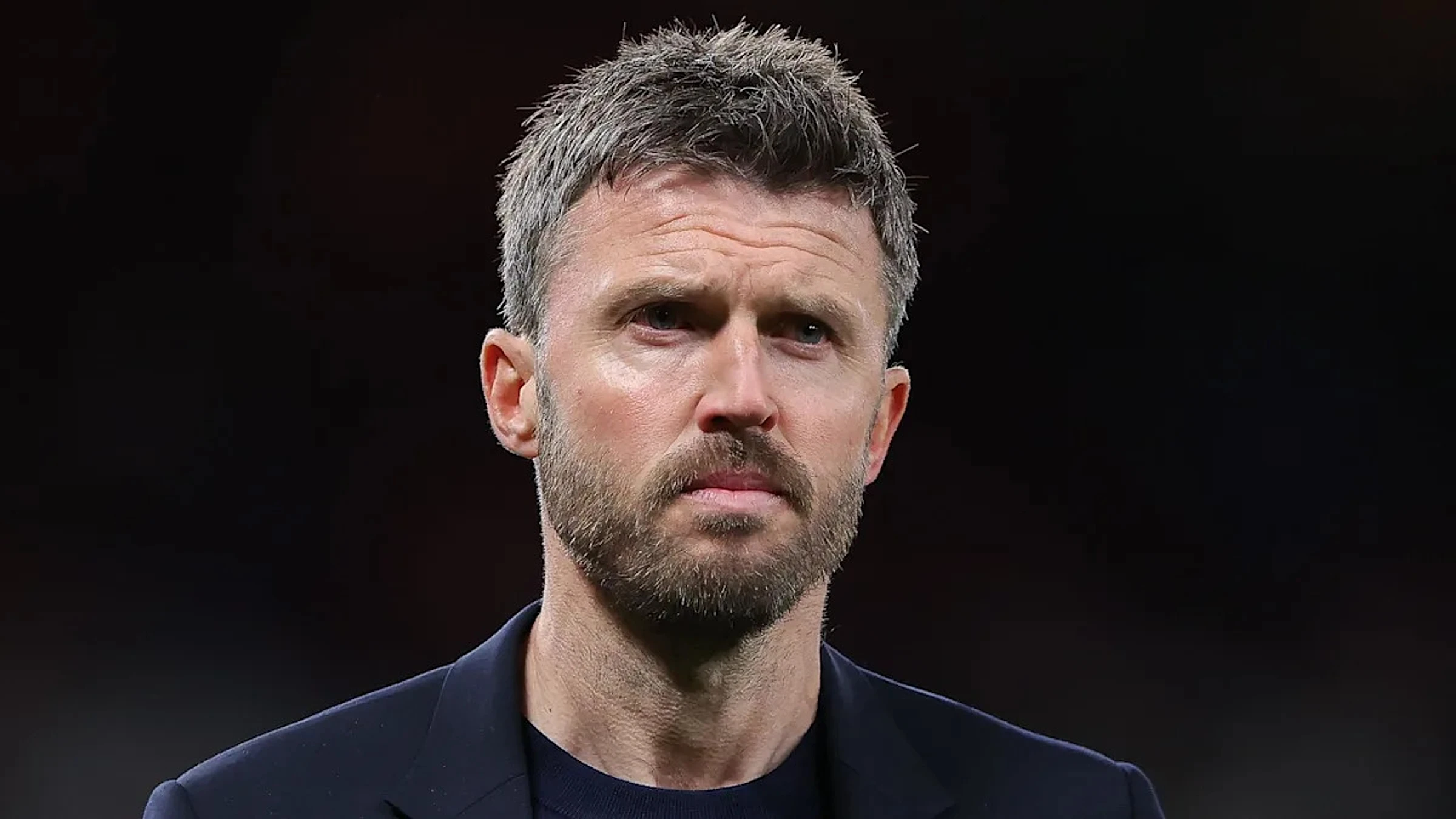
When Michael Carrick stepped in as Manchester United's caretaker manager back in January, the numbers told a story of instant success. The Red Devils have racked up more Premier League points than any other side since his arrival, and only Arsenal boast a better goal difference. On paper, it seems like a no-brainer to hand him the job permanently. But as any seasoned football fan knows, the beautiful game is rarely that simple.
Dig beneath the surface, and the stats whisper a word of caution. Yes, United's attack has been firing on all cylinders—no team has scored more goals during Carrick's tenure. But here's the catch: their finishing has been running red-hot, and in football, what goes up must eventually come down. Eight teams have actually created better chances based on expected goals (xG), yet United's league-best shot conversion rate means they've netted seven more goals than the average team would from the same opportunities. That's the biggest overperformance in the division.
In fact, the only side with a bigger gap between their xG and actual goals since Carrick took charge is Nottingham Forest, who are enjoying their own "new manager bounce" under Vitor Pereira. Of the six most clinical finishers in the Premier League over this period, three wear United red. Matheus Cunha, Benjamin Sesko, and Casemiro have all been in blistering form, with only Forest's Morgan Gibbs-White proving more ruthless in front of goal.
Carrick deserves immense credit for getting his players firing, but the question remains: can this level of efficiency last? History suggests it's unlikely. Compare United's stats under Carrick to those under Ruben Amorim earlier this season, and the story becomes clearer. The real improvement has come in both boxes—turning chances into goals and stopping the opposition from doing the same. That might be down to Carrick's man-management and tactical tweaks, but sustaining it over a full campaign is a different challenge entirely.
For now, United fans can enjoy the ride. But as any smart club knows, building for the long term requires more than just a hot streak—it demands a system that can deliver results even when the luck runs dry.