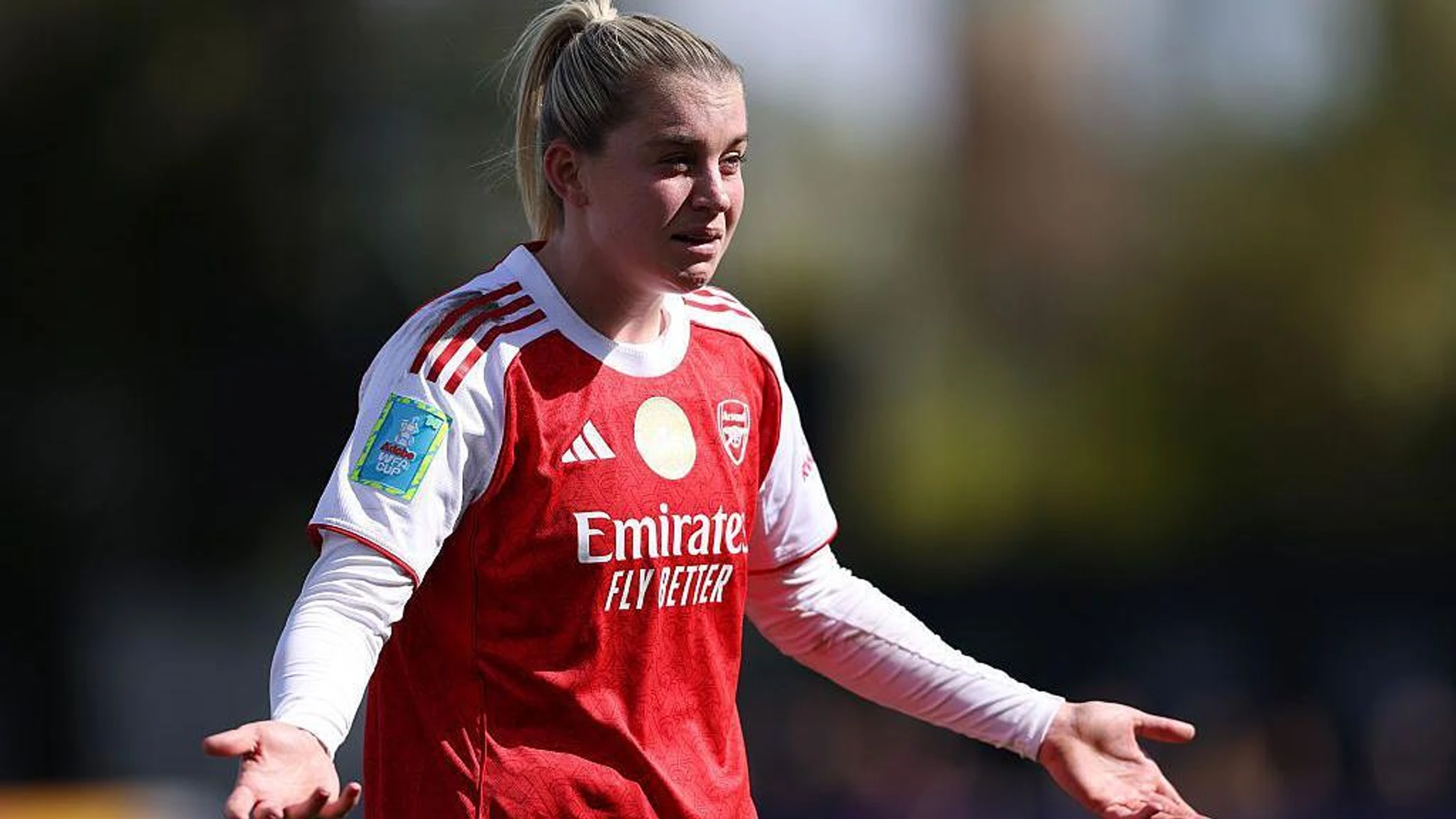
Arsenal’s quest for silverware this season has ended in disappointment, despite a dramatic 93rd-minute winner from Stina Blackstenius against Everton in their penultimate Women’s Super League (WSL) match. The goal, while thrilling, couldn’t change the broader narrative: Manchester City have already clinched the title, leaving the Gunners to extend their wait for a first WSL championship since 2019.
It’s been a season of near-misses for Renee Slegers’ side. While they lifted the inaugural Champions Cup, they failed to retain their Women’s Champions League crown and bowed out of the FA Cup at the quarter-final stage, followed by a semi-final exit in the League Cup. So, what’s been holding them back from claiming the biggest prizes?
The story starts with a familiar pattern: slow starts. After opening the season with two commanding wins, scoring nine goals to two, Arsenal stumbled. They managed just two points from their next three games, including a 3-2 loss to rivals Manchester City. Back-to-back draws against Chelsea and Tottenham in November only deepened the wound. By Christmas, they were eight points off the pace after 11 matches—a gap too wide to bridge. This marks the third consecutive campaign where early-season struggles between September and November have derailed their title hopes.
“The start of the season was another issue for them. They’ve done that for a couple of seasons now, and then they’re on catch-up,” noted former England forward Ellen White on the Women’s Football Weekly podcast. With only one league loss all season, those costly draws have been especially punishing. Whatever adjustments are made in the summer, a blazing start must be the top priority.
Interestingly, finishing fourth last season might have been a blessing in disguise for Manchester City. The 2025-26 champions have played 10 fewer games than Arsenal, thanks to a less congested schedule. For the Gunners, the expanded Champions League format brought more matches, and the inaugural Champions Cup added two extra fixtures. Competing in five competitions has stretched the squad’s depth to its breaking point.
Alessia Russo has been Slegers’ most relied-upon player, logging 3,150 minutes on the pitch—a testament to the physical toll of a relentless campaign. As Arsenal regroup, the lesson is clear: consistency from day one and squad rotation will be key to turning near-success into silverware next season.