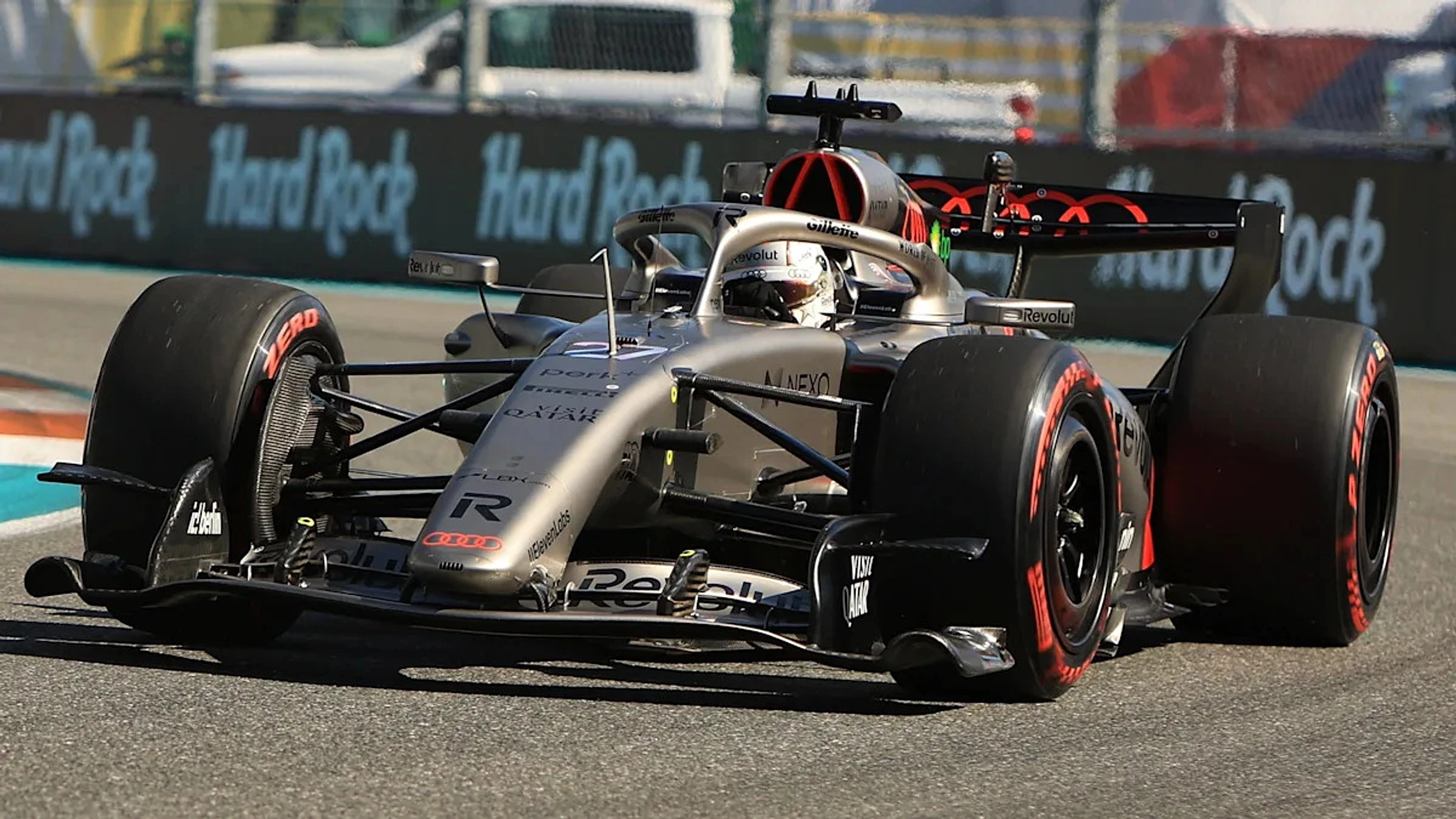
Formula 1 is in the midst of a regulatory shake-up, and fans have plenty of questions. After the Miami Grand Prix, the first race following a series of tweaks aimed at addressing concerns about the 2026 engine rules, the conversation has only heated up. Now, with F1 bosses agreeing to further engine design changes for 2027, BBC F1 correspondent Andrew Benson steps into the paddock to tackle your biggest queries.
Let's start with a burning question from reader Michael: "How did the people who run F1 make such a mistake with the new regulations? After decades of watching, this is the worst rule change I can remember."
It's a strong opinion, but not everyone shares it. While there's a broad consensus that qualifying has taken a hit—drivers find it harder to push to the limit—the racing itself has seen a boost. Many senior figures, including some drivers, agree that overtakes have increased, even if some argue they feel artificial due to battery charge offsets. And the numbers back up the excitement: TV viewership for the first three races (Australia, China, and Japan) jumped over 20% compared to last year. Miami's ratings are still pending, but the trend is promising.
So, where did the problems start? The root of the 2026 rules lies in a push to attract new manufacturers about five years ago. Back then, road-car technology was charging hard toward electric, so F1 leaders teamed up with automakers to boost electrification. They settled on a 50-50 split between internal combustion and electric power, paired with fully sustainable carbon-neutral fuels for eco-credibility. The complex and costly MGU-H—a hybrid component that recovers energy from the turbo—was scrapped to simplify things and cut expenses. But the execution has sparked debate, and fixes are already in motion for next season.
Stay tuned—there's more to come as F1 fine-tunes its future.