Formula 1 has always been about evolution, but the road to 2026 has hit some unexpected potholes. In our latest F1 Q&A, BBC Sport correspondent Andrew Benson breaks down where the trouble started—and what it means for the future of the sport.
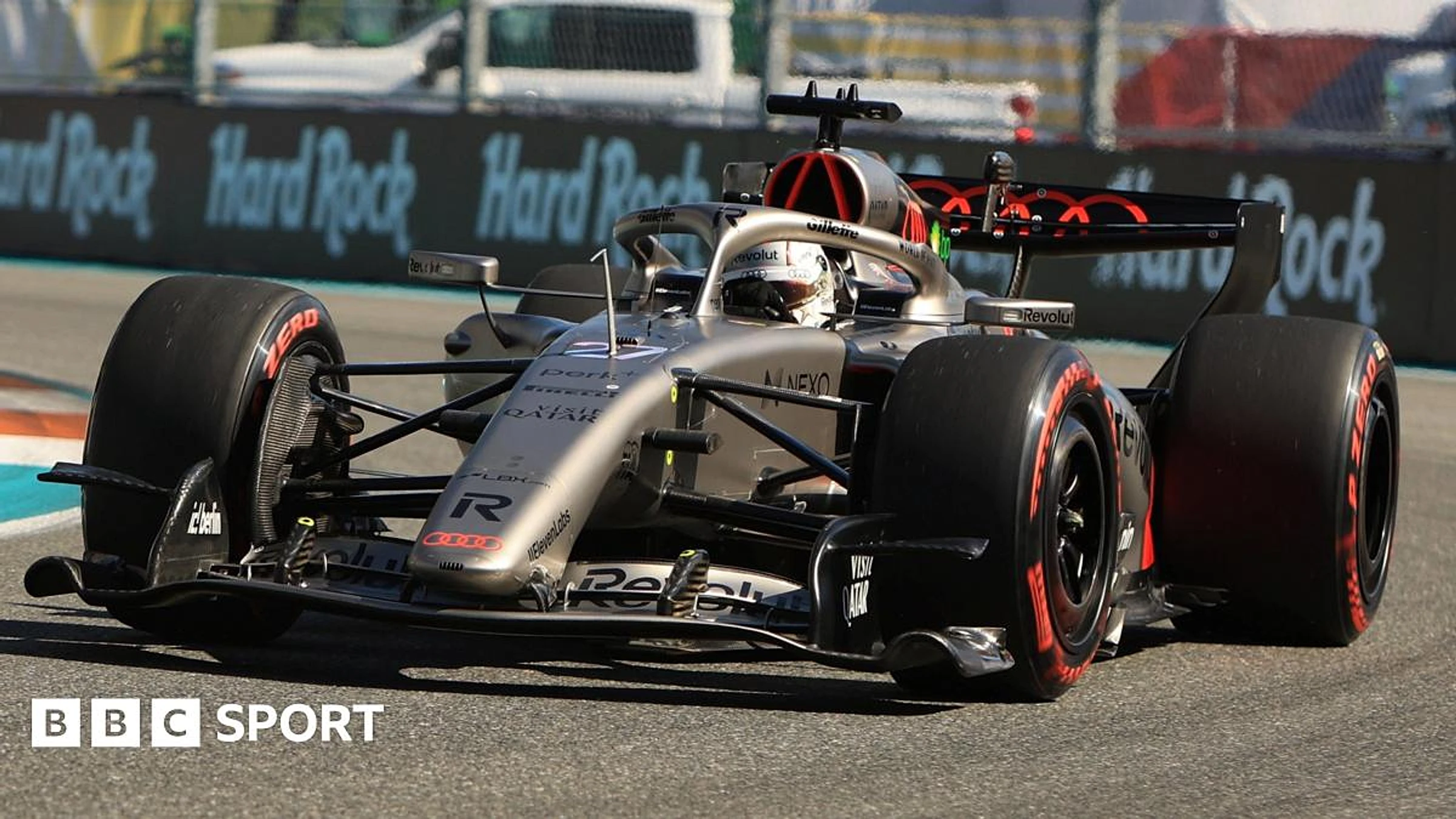
Let's be honest: change in F1 is rarely smooth. The 2026 engine regulations were meant to attract new manufacturers, and they did—Audi signed on, drawn by the marketing potential of a more electric-focused power unit. But as the first race of the tweaked era showed in Miami, the reality isn't matching the dream.
So, how did the sport's leaders get it so wrong? It's a fair question from long-time fans who say this is the worst regulation change they can remember. But not everyone agrees.
Yes, qualifying has taken a hit. Drivers are finding it harder to push to the absolute limit, and that raw thrill of a flying lap has been dulled. The good news? F1 has already made small fixes this year, with bigger changes planned for 2025.
On the flip side, racing has improved. Overtakes are up—way up. TV viewership for the first three races jumped over 20%, with Australia, China, and Japan all seeing big gains. Some argue the extra passes are "artificial," driven by battery charge mismatches, but the numbers don't lie: fans are watching.
The real story starts five years ago. Back then, the road-car world was betting big on full electrification. Manufacturers wanted F1 to mirror that shift. So, a 50-50 split between combustion and electric power was agreed, along with fully sustainable fuels. The complex and expensive MGU-H was scrapped, and the goal was clear: make F1 relevant again to carmakers.
But somewhere between the boardroom and the track, the balance tipped. The 2026 rules were designed to attract new players, but they may have squeezed the magic out of the weekend. Now, with further engine changes already set for 2027, the sport is scrambling to find its sweet spot—where cutting-edge technology meets the raw, wheel-to-wheel drama that makes F1 unforgettable.
For fans and teams alike, the next few seasons will be a test of whether F1 can evolve without losing its soul. Buckle up—it's going to be a fascinating ride.