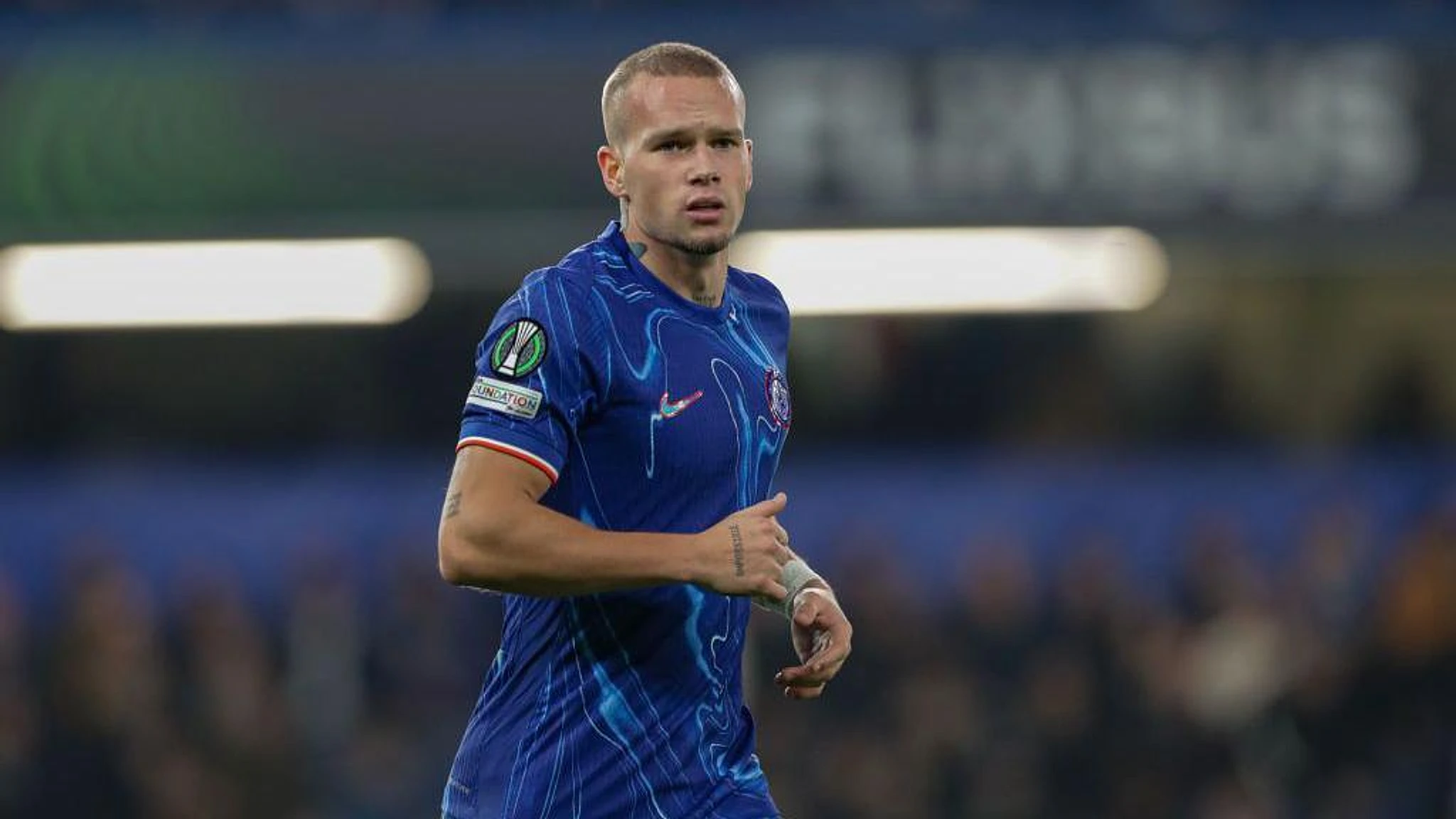
The Mykhailo Mudryk doping saga has taken another turn, with BBC Sport revealing that the Chelsea winger was quietly banned by the Football Association (FA) back in January. Only a tight circle of his inner circle and a handful of Chelsea staff were let in on the news, thanks to the strictly confidential nature of the FA's anti-doping program. Every step—from testing to legal chats—happens behind closed doors to protect player privacy, with UK Anti-Doping (UKAD) backing the FA on this one.
Here's the kicker: the exact substance that triggered Mudryk's positive test has never been officially named by the FA. But BBC Sport understands it's meldonium, a cardiovascular medication that can boost respiratory capacity and stamina. This banned substance—outlawed by the World Anti-Doping Agency (WADA) since 2016—is mostly used in Eastern Europe for conditions like angina, heart failure, and coronary artery disease. Mudryk apparently came into contact with it while on duty with the Ukraine national team, though how he ingested it remains a mystery.
The 23-year-old has been sidelined since the FA provisionally suspended him 16 months ago, unable to lace up for either Chelsea or Ukraine. He's still under contract with the Blues until 2031, thanks to the hefty £61 million move in 2022—part of Chelsea's strategy to stretch transfer costs over long deals. If his ban is upheld by the Court of Arbitration for Sport (CAS), he'd be out until roughly December 2028, marking a full four-year suspension from his provisional start date. But if CAS reduces the ban, sources close to the player are optimistic he could be back on the pitch as early as next season.
For Chelsea, the stakes are high. Once the CAS process wraps up, the club could terminate Mudryk's contract, as an anti-doping violation typically breaches employment terms in football contracts. His last appearance for Chelsea was on November 28, 2024, and he was an unused substitute for a league match against Aston Villa just three days later. These days, Mudryk is training solo with a private coach at facilities like Uxbridge FC, keeping his fitness up while the legal gears grind on.