For 28 long years, Scotland waited to return to the World Cup stage. But here's the twist: when they finally qualified in 1950, they simply... didn't go.
Picture this: 133,000 roaring fans, the world's best teams, and a ticket to Brazil. That was Scotland's reality in April 1950 after finishing second in the British Home Championship. By modern standards, it would be a dream come true. But back then, the Scottish Football Association made a decision that would baffle any fan today: they turned down their spot at the first post-World War II World Cup.
The 1950 tournament was only the fourth edition of the competition and marked a return to South America since the very first World Cup in 1930. For context, the UK nations had never sent teams before, thanks to a messy mix of reasons—an inflated sense of superiority over the British Home Championship, disputes over player payments, and a lingering reluctance to face European teams after World War I.
"There was supposed to be a lot of reconciliation," explains Andy Kerr, visitor attraction manager at the Scottish Football Museum, "albeit Germany weren't invited." That spirit of harmony didn't quite reach the Scottish FA's boardroom.
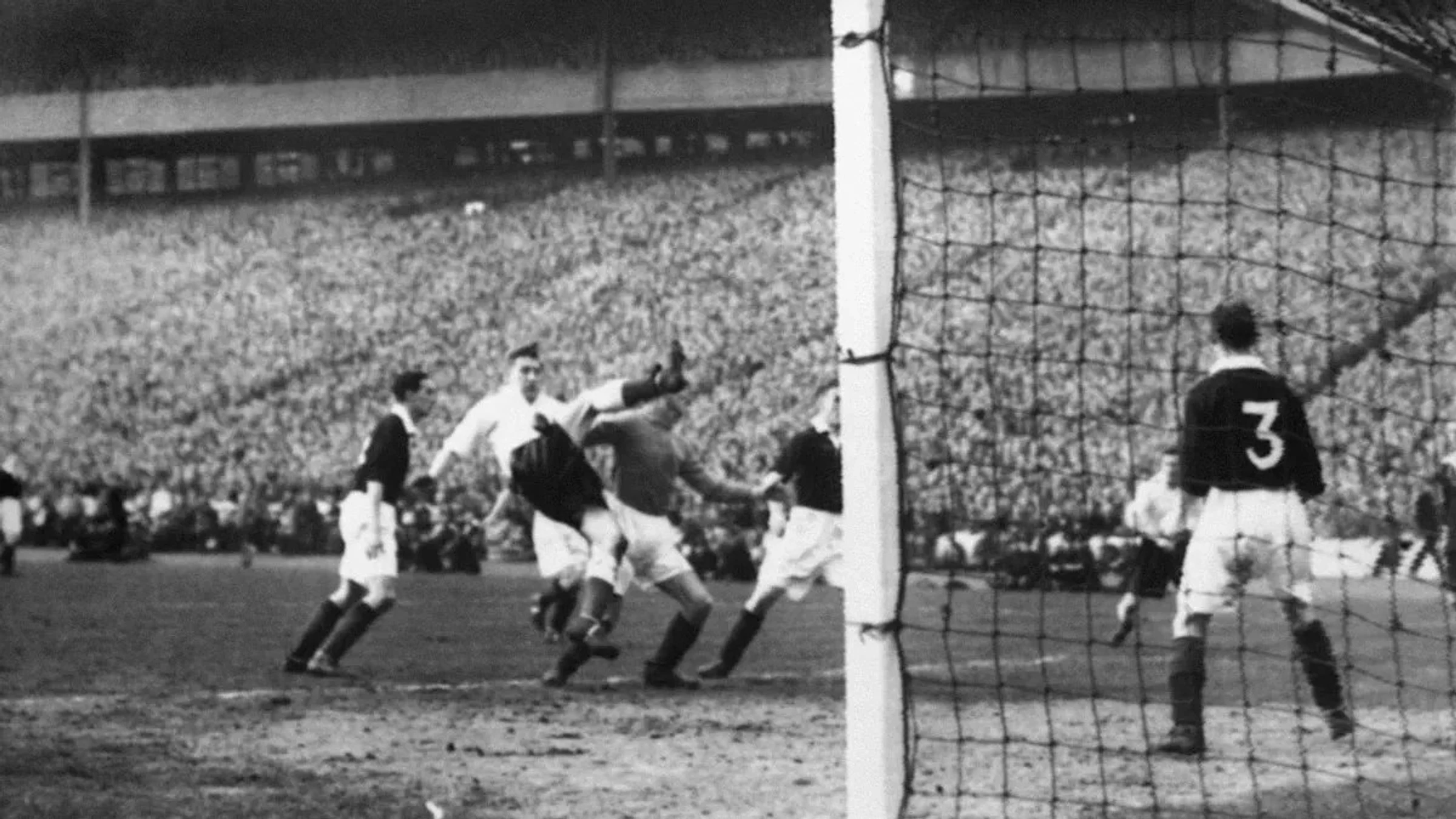
The drama started with FIFA offering the UK nations two World Cup spots for the top two teams in the Home Championship. England took first, Scotland second. But the Scottish FA balked at sending a team that had finished behind England—a decision fueled by England's 1-0 victory at Hampden Park. The players were left confused and outraged.
"The reasons are still slightly ambiguous to this day," says Kerr. "I believe the official reasoning was that we only wanted to send our best, and we didn't believe that a second-place team represented that."
For today's fans, who dream of seeing their nation on the biggest stage, it's a stark reminder of a very different era in football—one where pride and politics sometimes outweighed the chance to compete with the world.