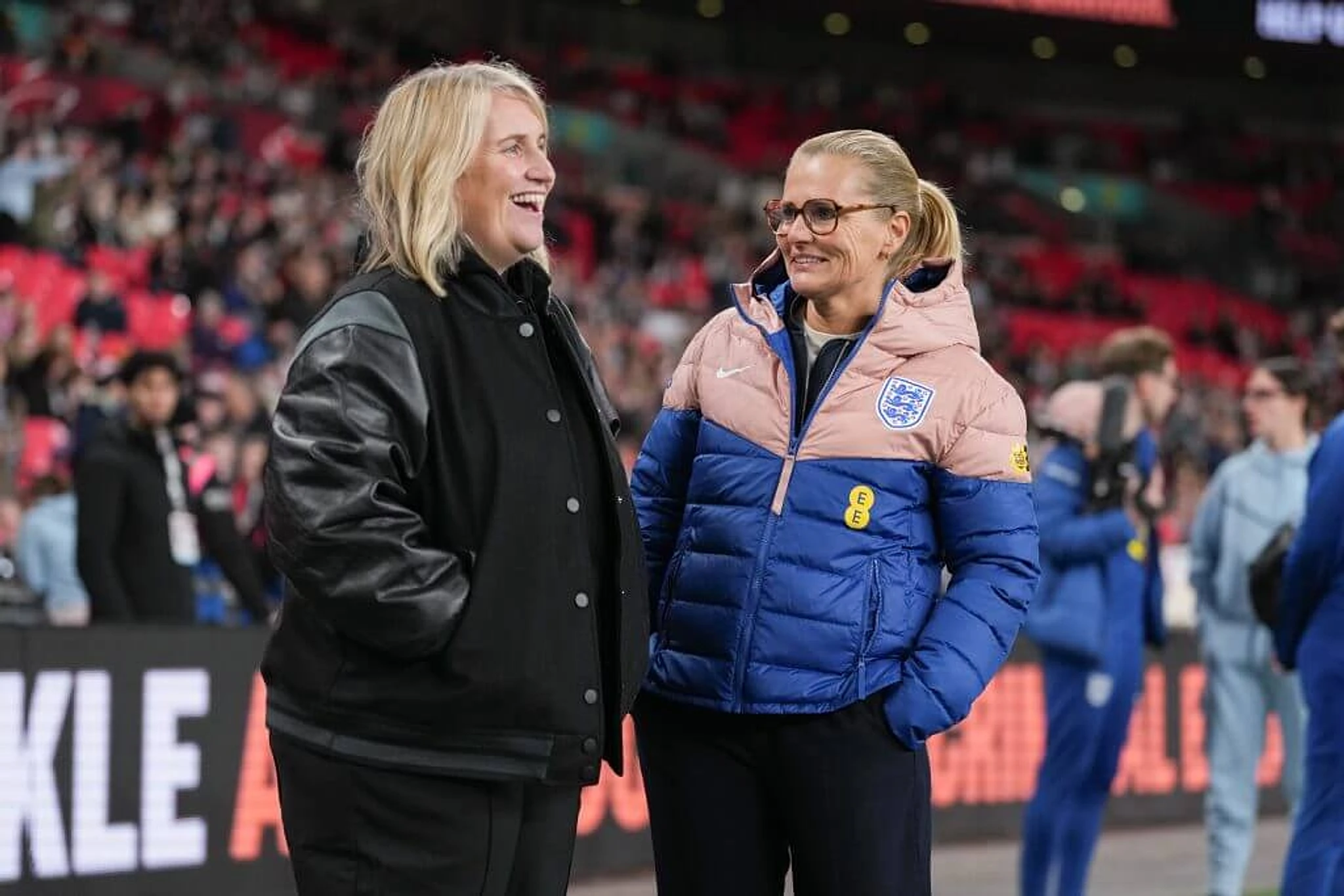
Mariana Cabral, assistant manager for the Chicago Stars, doesn't hesitate when naming the trailblazers: Sarina Wiegman, Emma Hayes, Renee Slegers, Sonia Bompastor—all women who have lifted major trophies as head coaches in recent years. "It's not that women aren't good," Cabral states. "But right now, they have to be exceptional because they are the exception to the rule. They've made it."
She highlights a critical disparity in the coaching world: women are often not afforded the same room for error and growth as their male counterparts. "Gender does not determine a person's competence," Cabral asserts. "I hope we can all agree on that. But because men are so overwhelmingly represented, we need proactive measures to help women access these positions."
The statistics underscore the scale of the challenge. In the National Women's Soccer League, only 4 of 16 head coaches are women—a ratio mirrored in England's Women's Super League. Globally, a mere 22% of club coaches in women's football are female. The 2023 FIFA Women's World Cup saw just 38% of teams led by women, and FIFA's own survey reveals that female coaches account for only 5% of all registered coaches worldwide.
In response to this systemic underrepresentation, FIFA announced a groundbreaking mandate last month. The new rule requires all teams in women's tournaments—from youth to senior levels, across club and national teams—to have at least one female head or assistant coach on staff. Additionally, teams must have two female officials on the bench and one female medical staff member.
Crucially, this initiative is designed to create new opportunities without displacing existing male coaches, as teams can carry more than one assistant. The regulations will be embedded in competition agreements, incentivizing the inclusion of female coaches in meaningful roles.
This quota-based approach is being hailed as a bold and necessary step forward within the women's coaching community. "If transformation is the goal," the sentiment goes, "then this policy needs to provide someone with a real, substantive chance to work, learn, and lead." The hope is that by mandating inclusion, the door will open for more women to build careers, gain experience, and eventually change the face of coaching in football for good.