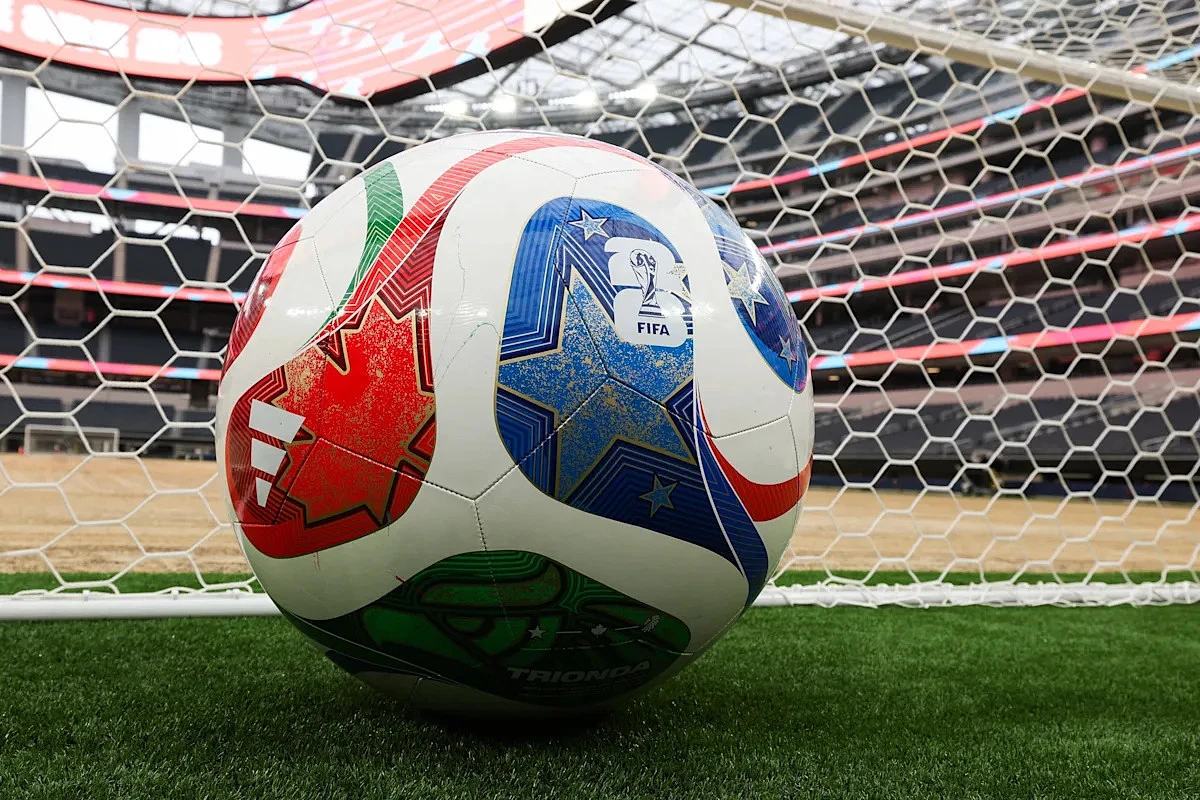
The FIFA World Cup 2026 is set to be unlike any tournament before it, and for good reason. For the first time in the competition's 96-year history, 48 teams from across six confederations will battle for glory—nearly four times the original 13-team lineup from 1930. Whether you're a football powerhouse or a rising underdog, there's a spot for everyone in this new expanded format. But what does this mean for the beautiful game, and are there any potential downsides to opening the door wider?
Let's break down the key changes before the tournament kicks off on June 11. Instead of the traditional 32-team, eight-group structure, the 2026 World Cup will feature 12 groups of four teams each. The top two teams from every group, plus the eight best third-placed teams, will advance to a brand-new round of 32. From there, it's a straightforward knockout journey: last-16, quarterfinals, semifinals, and the final. It's a format that promises more drama, more surprises, and more football for fans worldwide.
Arsène Wenger, FIFA's chief of global football development and former Arsenal manager, is a strong advocate for the expansion. He sees it as a natural step toward making football "truly global" and raising standards across the board. "It's a natural evolution," Wenger said at a press conference in December. "We started with 13 teams in 1930, then 16, then 24 in 1982, and 32 in 1998. Now, 48 teams is the right number." With nearly a quarter of FIFA's 211 member associations set to compete, the 2026 World Cup will be the most inclusive ever.
Beyond the pitch, the economic impact is massive. According to a FIFA release from mid-April, the World Trade Organization estimates the expanded tournament will generate $80.1 billion in gross output, including $30.5 billion for the co-host United States. That's a win for economies, fans, and the global game alike. So, get ready for a World Cup that's bigger, bolder, and more unpredictable than ever before.