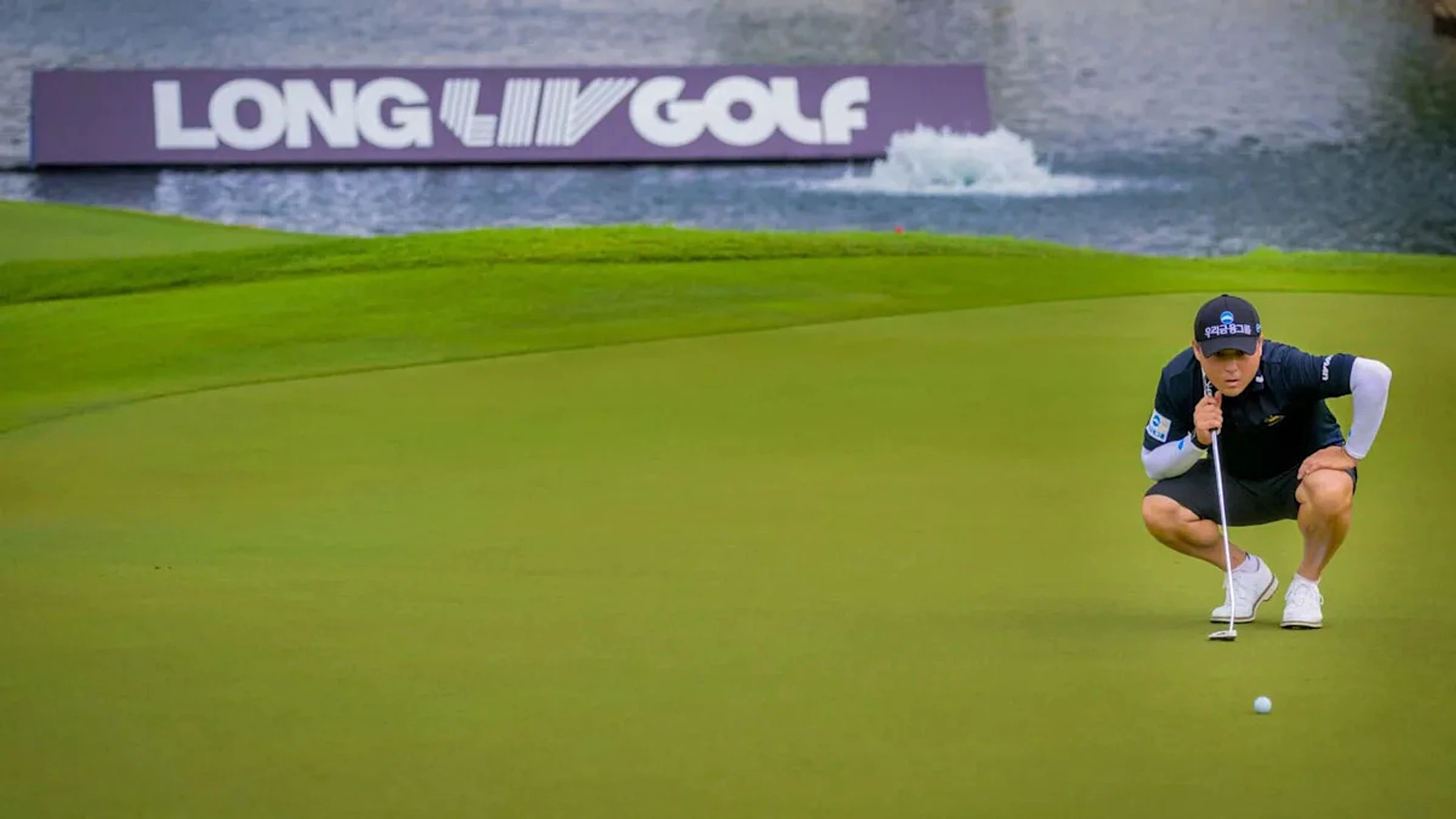
The global sports landscape has been buzzing with talk of Saudi Arabia's aggressive push into major leagues, but recent developments suggest that strategy may be hitting a wall. While the kingdom once seemed poised to reshape professional sports with unlimited oil money, the tide appears to be turning. LIV Golf, which burned through an estimated $500 million annually, is now losing its Saudi funding. Similarly, the Saudi Pro League has scaled back its ambitions to sign top international talent. Sometimes, the most effective response to a disruptive force is simply to let it run its course.
Meanwhile, the NFL finds itself in an uncomfortable position following the Dianna Russini–Mike Vrabel situation. The league's policies on tampering and media relationships are being tested, and there's no easy fix in sight. This affair highlights the tricky balance between competitive integrity and the growing influence of insider reporting in professional sports.
In an intriguing twist, the Philadelphia 76ers' recent upset over the Boston Celtics has sparked a curious theory: Could ketamine have played a role? While it sounds far-fetched, the conversation around performance enhancement is evolving beyond traditional substances. It's a reminder that the boundaries of sports science—and legality—are constantly being redefined.
From the Kentucky Derby's surprising cleanup logistics to the ongoing saga of Washington D.C.'s golf courses, the sports world never lacks for quirky stories. The Senate Commerce subcommittee is also set to hold a hearing on sports betting on May 20, a sign that the industry's rapid expansion is drawing more regulatory attention.
As for the NBA's latest anti-tanking proposal, the consensus is clear: it's a bad idea. The league's attempt to reform lottery odds is drawing criticism from analysts and fans alike. Sometimes, the best move is to leave well enough alone—a lesson that applies to everything from Saudi sports investments to league policy changes.