In the high-stakes world of the NBA, where a single superstar can transform a franchise's destiny, a controversial strategy known as "tanking" has become a persistent storyline. At its core, tanking is a calculated roster-building approach where teams prioritize future potential over present wins. While no organization will openly admit to losing on purpose, the strategy involves trading away veteran talent, managing player minutes, and fielding lineups designed to secure a better position in the NBA Draft lottery, all in hopes of landing a transformative No. 1 pick.
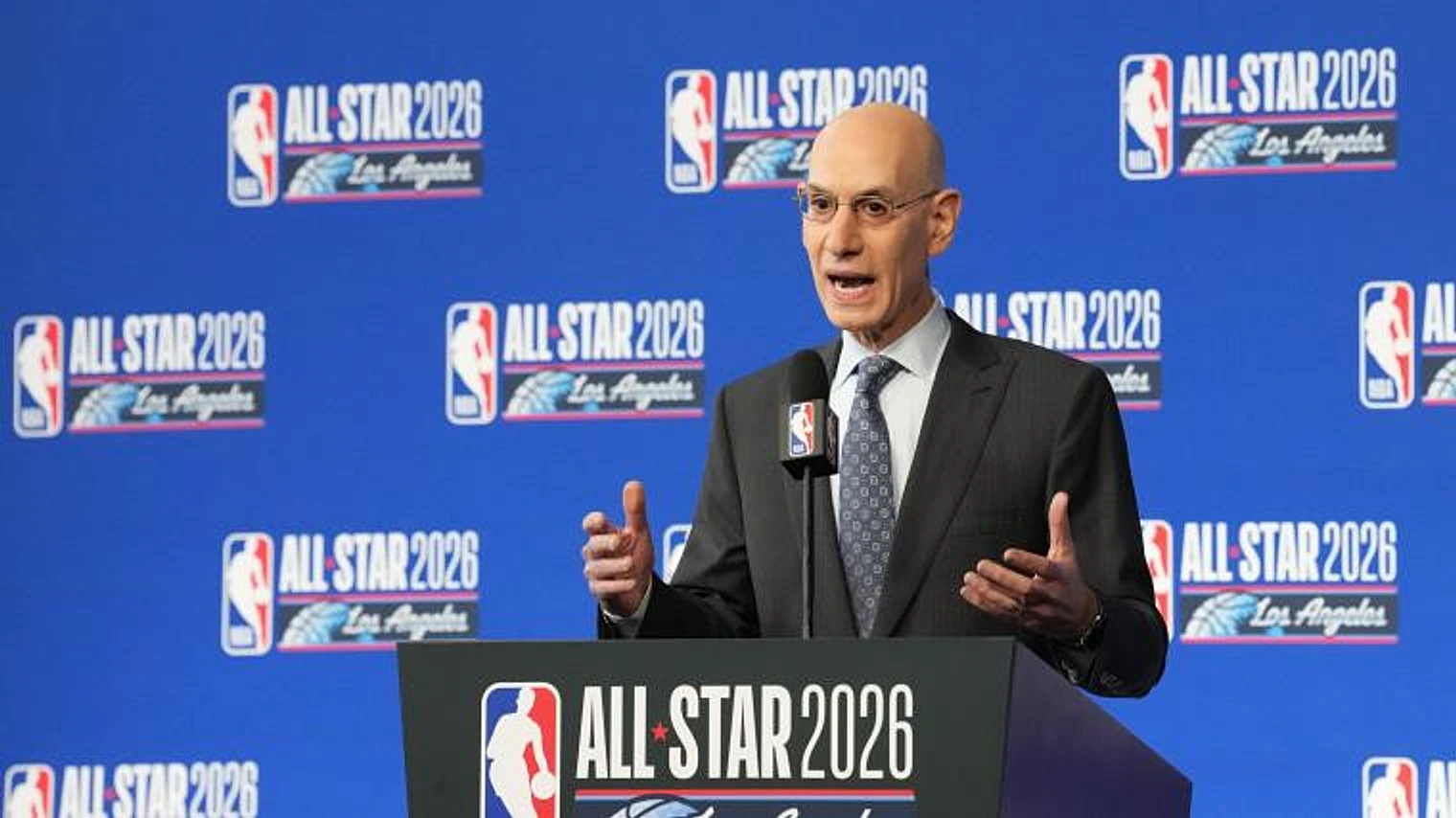
The logic is rooted in the league's structure, which uses the draft to funnel top young talent to struggling teams, aiming to maintain competitive balance. However, when the pursuit of a future star overshadows the integrity of the current season, it creates a dilemma. The 2025-26 campaign has seen such pronounced levels of non-competitiveness that Commissioner Adam Silver has pledged to implement stricter anti-tanking measures, signaling the league's growing concern.
For fans, especially those of rebuilding teams, tanking is a double-edged sword. It breeds hope for a brighter future with a potential franchise player, but it also means enduring seasons where winning isn't the immediate goal. This delicate balance between strategic planning and competitive spirit continues to be one of the most debated topics in basketball, challenging the very essence of sportsmanship while teams chase the dream of drafting the next league-changing talent.