Have you ever watched an elite athlete make the impossible look effortless? That's exactly what happened at this year's Australian Open, when tennis star Jannik Sinner dismantled his opponent—the world's No. 22-ranked player—with a calm that bordered on boredom. To the casual observer, it seemed like a mismatch. But the real story wasn't about power or speed. It was about what was happening inside Sinner's head.
Welcome to the world of mental gymnastics, where F1 drivers, tennis pros, and skiing legends like Mikaela Shiffrin are redefining peak performance. These athletes aren't just training their bodies—they're engineering their minds for what's known as "mental economy." Think of it as getting more done with less mental energy. The result? Laser focus under pressure, better pain tolerance, and the ability to outlast competitors in grueling contests. And the best part? These same techniques can transform your gym sessions, your workouts, and even your daily life.
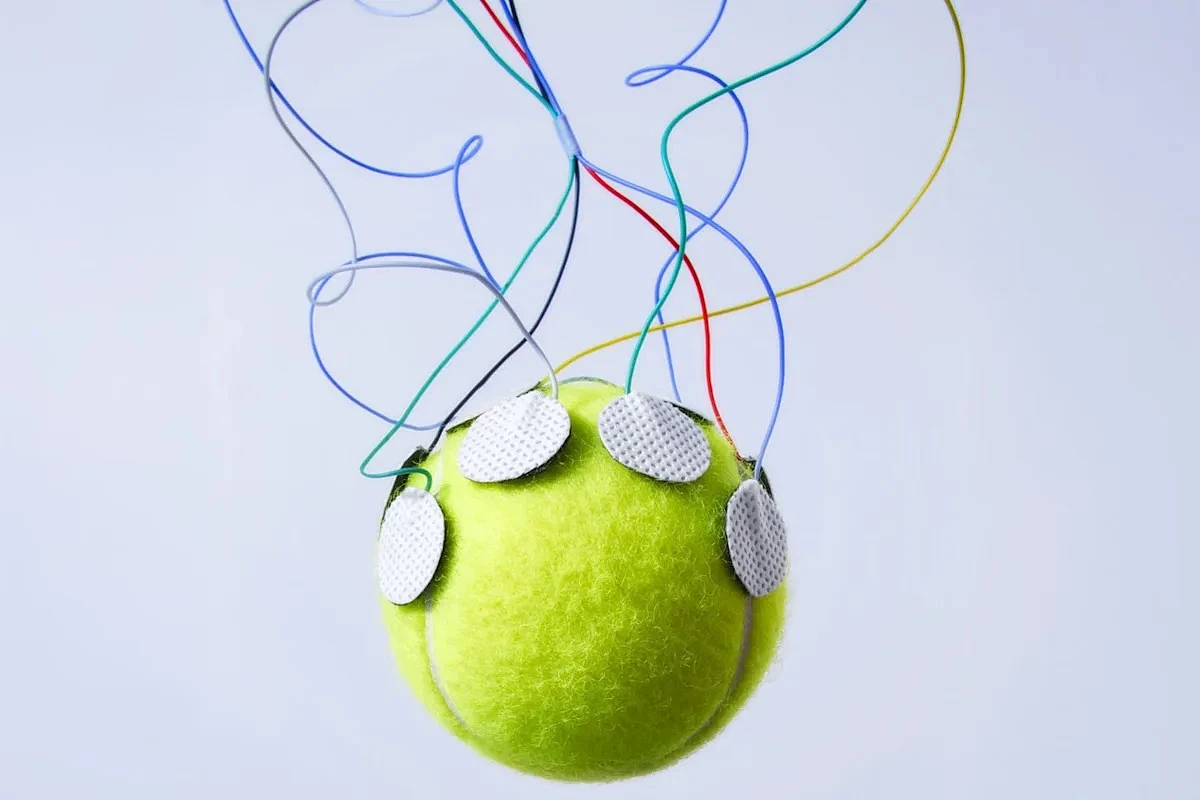
So, what does this brain training look like? Picture a lab filled with high-tech gadgets, electrodes, and data analysis. Sinner, for instance, has spent countless hours strapped into sensors under the guidance of Dr. Riccardo Ceccarelli, a sports physician who's spent over three decades studying how the brain impacts athletic achievement. Dr. Ceccarelli's company, Formula Medicine, originally worked with top race car drivers like Charles Leclerc. Now, he's bringing those same secrets to tennis stars and beyond.
The goal? To achieve what Sinner displays so effortlessly: a state of engineered calm. It's not about suppressing emotions or zoning out. It's about teaching your brain to spend less energy under stress, so you can stay sharp longer, recover faster, and perform at your best when it matters most. Whether you're grinding through a tough set, pushing through a heavy lift, or just trying to stay focused during a busy day, these mental tools can help you crush it.
Ready to steal their secrets? Start by treating your mind like a muscle—train it with intention, track your progress, and don't underestimate the power of a little focused boredom.