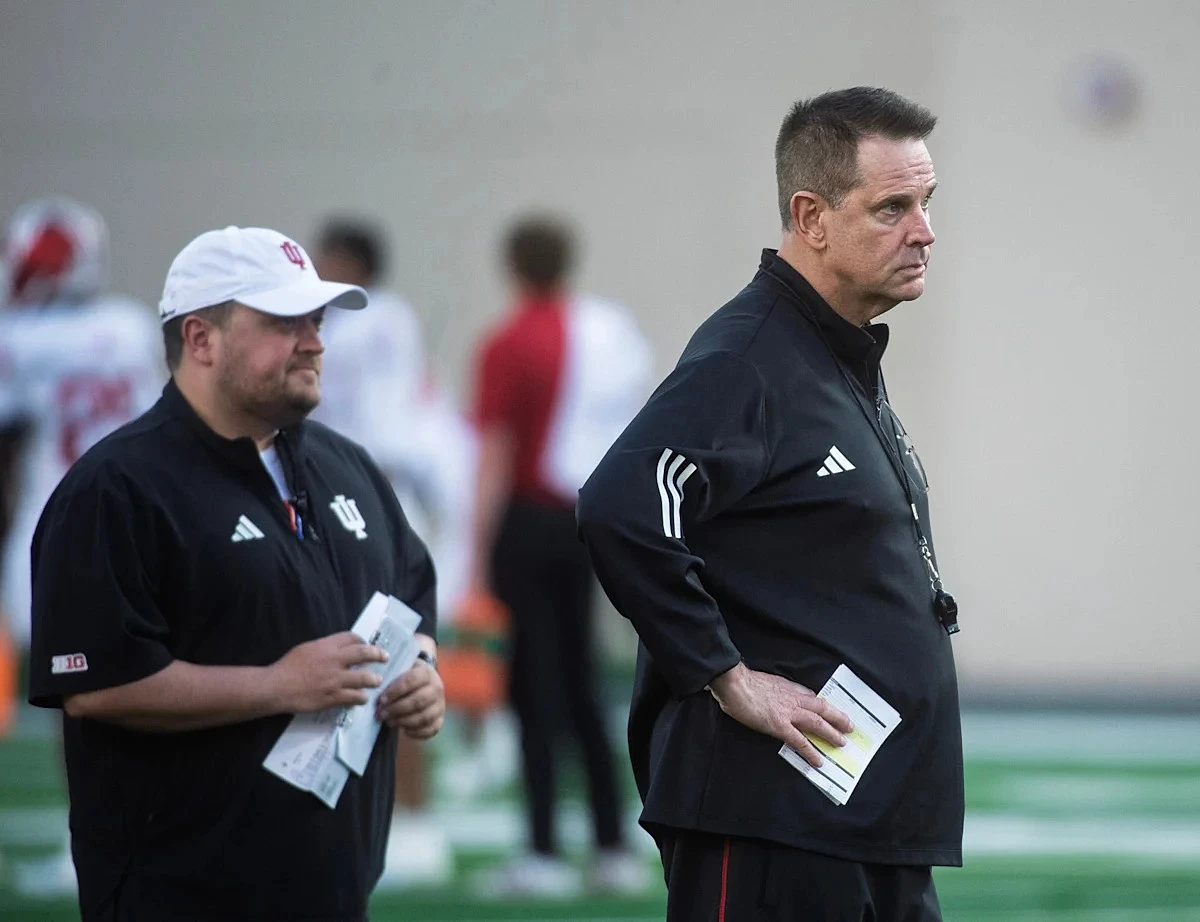
College Football Playoff expansion is one of the hottest topics in the sport right now, but Indiana football coach Curt Cignetti is taking a decidedly hands-off approach. Despite leading the Hoosiers to a historic 16-0 season—the first team to achieve that feat since Yale in 1894—Cignetti isn't jumping into the debate over whether the playoff field should grow.
"I don't direct my attention to things I really have no control of," Cignetti said Thursday night before speaking in Carmel. It's a pragmatic perspective from a coach who knows his job is on the field, not in the boardroom.
The push for a 24-team playoff has been gaining serious momentum. The ACC and Big 12 have both thrown their support behind expansion, and the American Football Coaches Association (AFCA) has also endorsed the idea. The AFCA has even recommended eliminating conference championship games and finishing the season by the second Monday in January—a significant shift that would reshape the college football calendar.
Big Ten commissioner Tony Petitti first floated the 24-team concept ahead of the 2025 season as the Power Four conferences debated the future of the playoff format. While the CFP is locked into the current 12-team structure for the 2026 season, discussions about future expansion are very much alive. Spring meetings across the conferences this month have kept the topic front and center, with the SEC set to meet in Destin on May 26—they have yet to publicly support a 24-team model.
Cignetti, however, is fully backing his commissioner. "Tony is a big proponent of 24. I support Tony," he said. "He's done a great job with our conference moving forward. We continue to expand and get better. And so whatever it is, it is."
That stance puts Cignetti in lockstep with Indiana athletic director Scott Dolson, who has also been supportive of Petitti's expansion vision. The good news for everyone involved? There's plenty of time to work out the details. ESPN, the CFP's broadcast partner, has set a December 1 deadline each year for any changes to take effect—meaning the debate will continue well into the future.