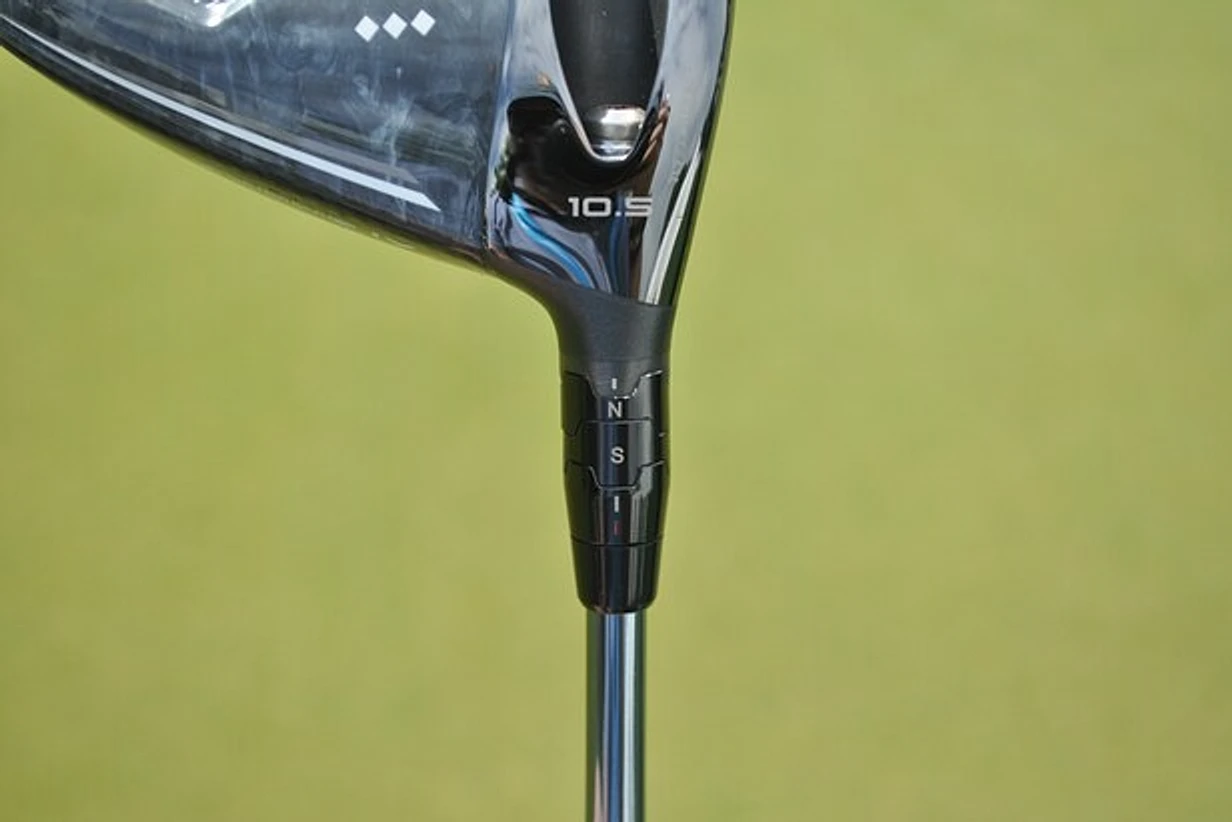
That little wrench that came with your driver? It’s not just a bonus accessory—it might be the key to unlocking more control and consistency off the tee. Most golfers stash it away, unsure what those cryptic settings like "N Plus 1" or "Draw" actually do. But what if dialing in your loft sleeve could straighten out a slice or add precious yards?
To cut through the guesswork, Golf Digest teamed up with Golf Laboratories for a robot-powered test. Using a Callaway driver with its OptFit adapter, they systematically compared five settings: Neutral, one tick up in loft, two ticks up, one tick down, and the dedicated Draw setting. The goal was clear: see how each adjustment impacts distance, spin, and accuracy when swing speed and attack angle are held constant.
The results reveal a crucial trade-off every golfer should understand. The instinct to crank the loft down for lower spin and max distance is tempting. In the test, the "N Minus 1" setting did produce the longest carry at 223.4 yards. However, spin plummeted and, more importantly, dispersion—the measure of accuracy—ballooned to 37.5 feet. Essentially, while you might gain a couple of yards, your misses could become dramatically worse.
Here’s where it gets interesting. The standard Neutral setting carried the ball only 1.3 yards shorter but with significantly tighter dispersion, just over 10 feet. That’s a powerful insight: sacrificing a minimal amount of potential distance can buy you much more control and fairway-finding consistency.
So, what does the loft sleeve actually do? It fine-tunes your launch conditions. Increasing loft generally adds spin and can help promote a straighter or draw-biased flight, while decreasing loft lowers spin for a potentially flatter trajectory. The "Draw" setting often combines these effects, closing the clubface slightly to counteract a slice. This isn't just marketing; it's a tangible way to match your equipment to your swing without buying a new club.
Don't let that wrench gather dust. Experimenting with these settings on the range could be the fastest way to turn your driver from a question mark into a trusted weapon. Finding the right balance between distance and accuracy is the holy grail of driving, and your adjustable hosel is a powerful tool to help you find it.