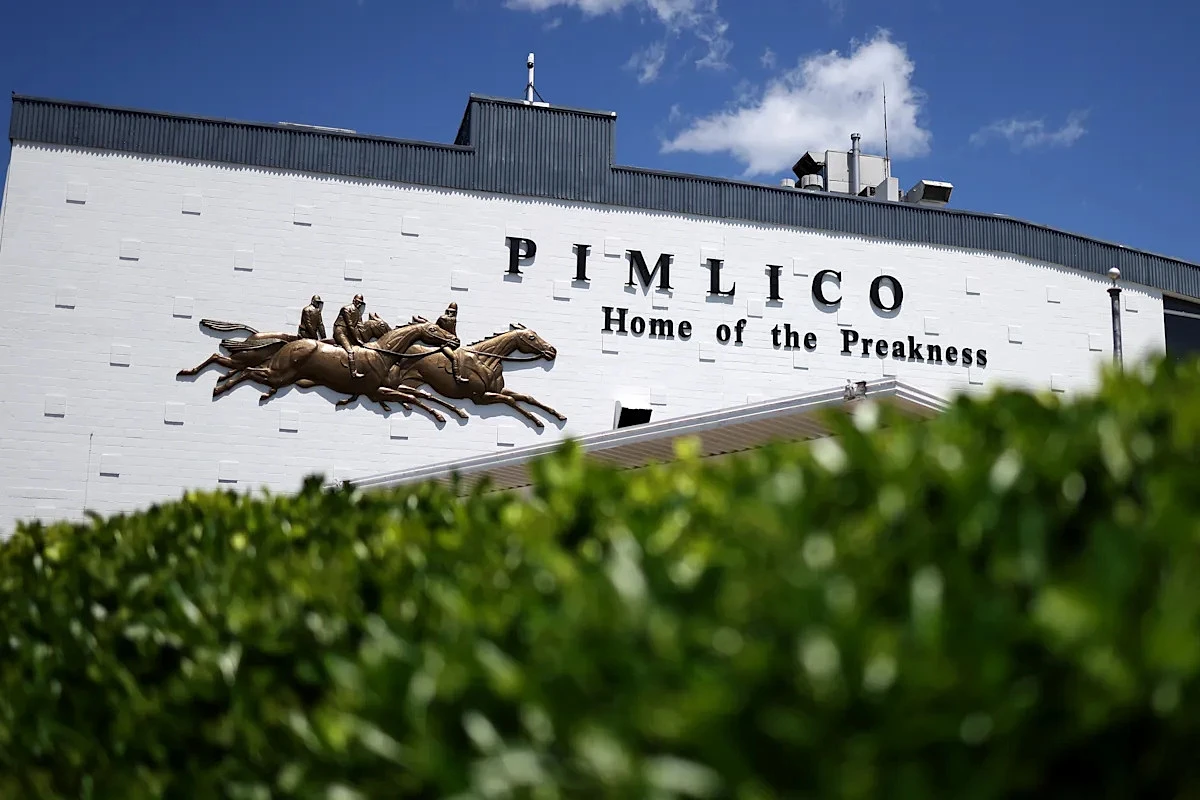
The Preakness Stakes gallops into its 151st running this Saturday, but for the first time in modern memory, it feels like a race adrift from the Triple Crown's storied tradition.
Golden Tempo, the Kentucky Derby champion, won't be in the gate. The $2 million purse is drawing a 14-horse field that many insiders call one of the weakest in decades. And in a historic first, the race won't be held at its iconic home, Pimlico, but at Laurel Park—just north of Washington, D.C.—with attendance capped at a mere 4,800 spectators.
"It's still obviously a very historic race," said trainer Chad Brown, a two-time Preakness winner. "The race still carries a lot of significance in the overall Thoroughbred industry and the breed."
In an ideal world, next year's Preakness would mark a triumphant return to Baltimore, with a sparkling, rebuilt Pimlico serving as the cornerstone for Maryland racing's rebirth. But in horse racing's current reality—where dysfunction and decline have become the norm outside a few bright spots—there's deep concern and uncertainty about what's next. Especially when the track is being rebuilt and operated by the state of Maryland.
"I'll be floored if they're up and running at a new Pimlico next year," one industry source told Yahoo Sports.
A quick internet search reveals why. Despite promises that this year's Laurel Park detour is a one-off, with a state-funded Pimlico rebuild on the way, aerial photos from late April show little more than a large hole where the grandstand should be, the beginning of a tunnel to the infield, and steel framing for two backstretch barns.
Appearances can be deceiving mid-construction. But having the site ready to host a world-class sporting event—even in a limited form—would be an ambitious bet, to say the least.