The cost of missing out on Champions League football is becoming increasingly clear for Chelsea, and it's a challenge their next head coach will have to navigate with precision. Whether the job goes to former Real Madrid boss Xabi Alonso, Bournemouth's Andoni Iraola, or Fulham's Marco Silva, the club's financial landscape demands astute decisions in the upcoming transfer window.
Recent figures paint a stark picture. Chelsea's 2024-25 accounts revealed a Premier League-record pre-tax loss of £262 million—despite generating £490.9 million in revenue, the club's second-highest ever. That's a heavy price for a season without Europe's elite competition, especially when you consider the contrast in earnings: reaching the Champions League last 16 brought in around £78.9 million, while winning the Conference League in 2025 netted just £15 million. Factor in ticketing, hospitality, and sponsorship, and those Champions League numbers could easily top £100 million.
Forward Cole Palmer summed it up bluntly in a recent interview: "Everything changes" without Champions League football. And the numbers back him up. Chelsea's parent company, 22 Holdco Limited, shows that transfer activity is a major driver of losses, while the men's team success is a "clear driver" of revenue. Without that top-tier competition, the club leans heavily on owner funding and loans—a situation with long-term implications.
In the short term, Chelsea is bound by a Uefa settlement agreement after breaching financial rules in 2023-24. The club can't record losses beyond £52.2 million (after Uefa allowances) when filing accounts at the end of June. Exceed that, and a fine of up to £17.4 million looms. Cross the £69.7 million threshold, and a one-season European ban could follow—if Chelsea qualifies within three seasons. Uefa will keep a close watch through the 2028-29 season.
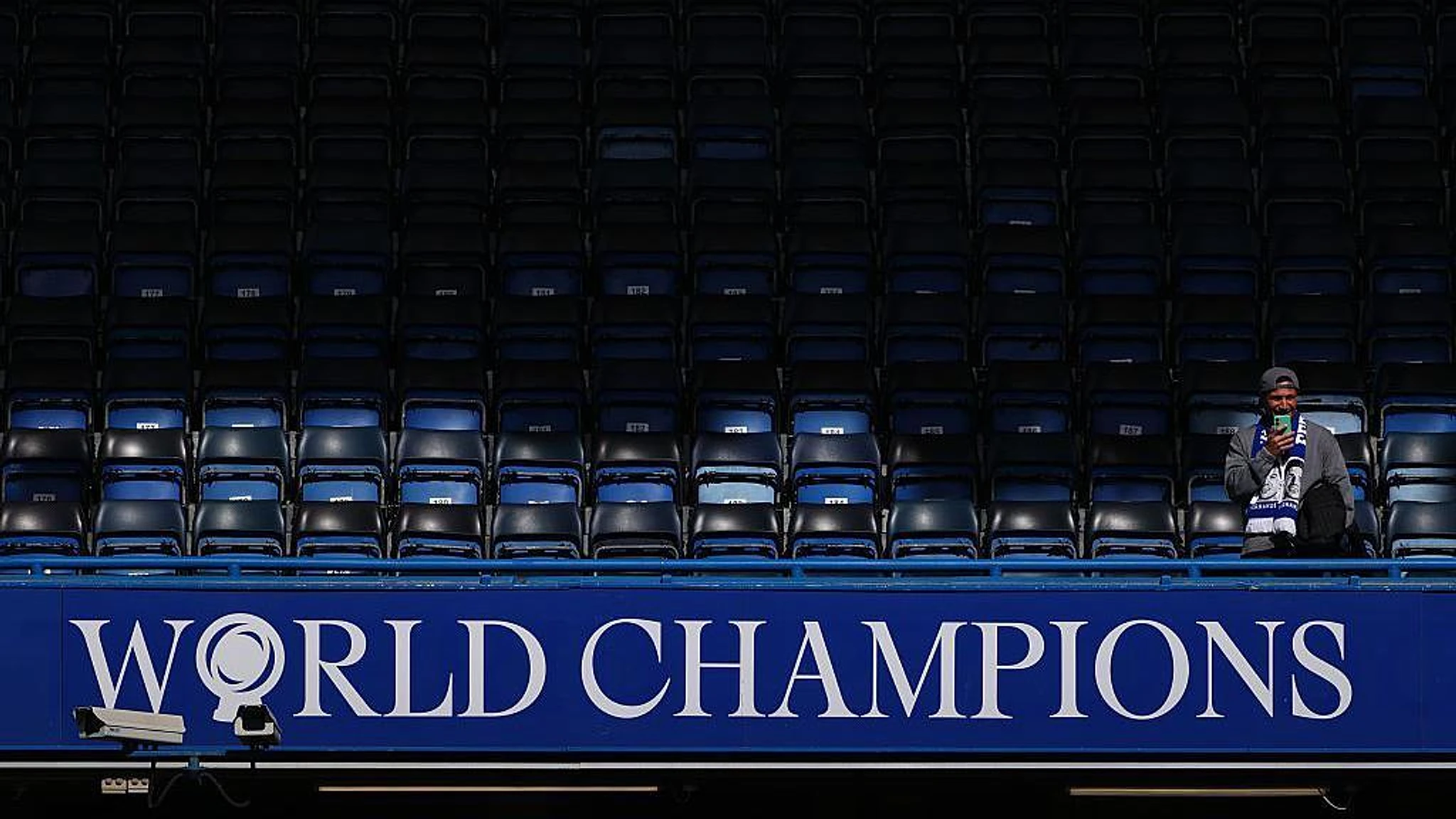
Despite the challenges, there's optimism. After winning the Club World Cup last year and a rare Champions League campaign, Chelsea predicts revenues will jump to £700 million in next year's accounts. But for now, the cost of missing out is clear—and it's a test of strategy, both on and off the pitch.