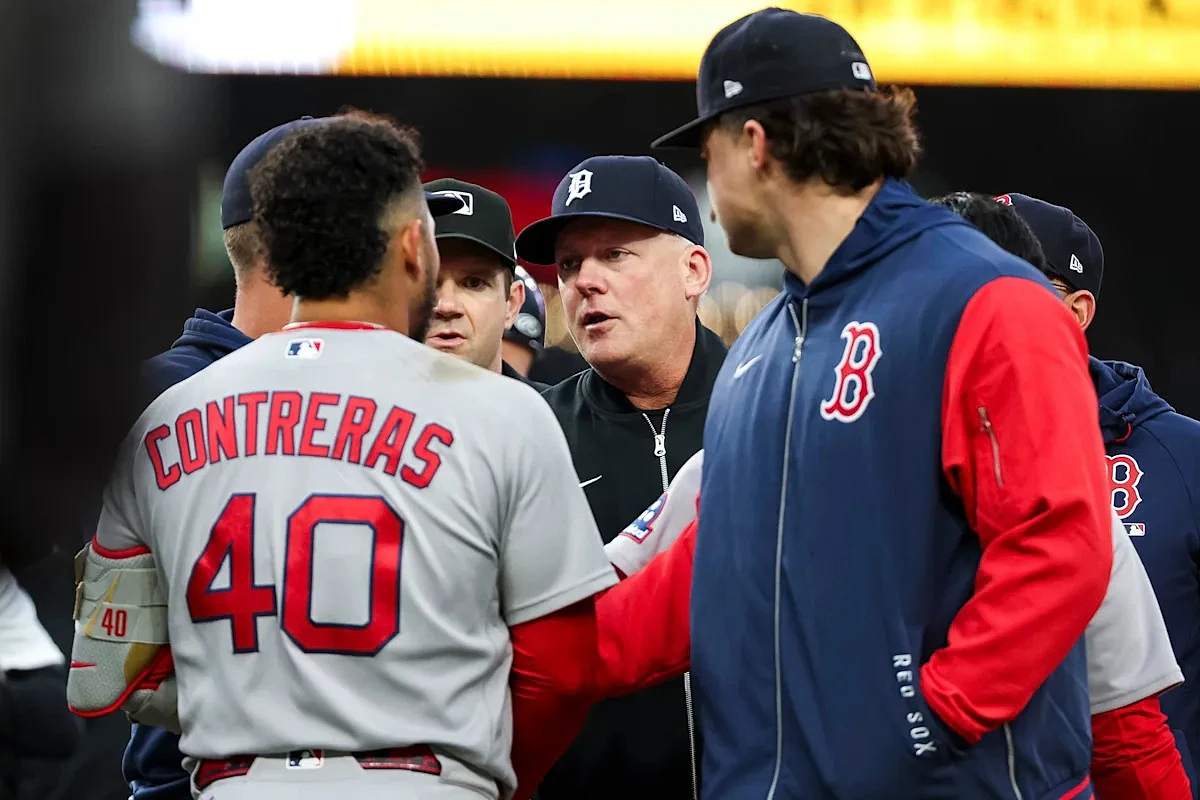
Last night, the Boston Red Sox lineup did something remarkable: they completely dismantled one of baseball's most dominant pitchers, Framber Valdez, so thoroughly that he got himself intentionally ejected from the game. But here's the question that's got the baseball world buzzing—was Valdez's frustration aimed at his own performance, or was he furious about something else entirely?
Let's rewind a bit. Just last week, ESPN's Buster Olney floated an intriguing theory about the Red Sox' offensive struggles. He suggested that stricter enforcement of coaching box rules had made it harder for Boston's first and third base coaches to pick up pitch grips and relay that information to hitters. In other words, the Sox had lost a key edge they'd been using to decode opposing pitchers.
That's where things get even more interesting. Former big leaguer Eric Hosmer took to social media with a bold claim: he believes Red Sox baserunners were relaying Valdez's pitch signs from second base last night—and that's what really got under the Astros' left-hander's skin. Hosmer suggested Valdez figured it out a couple of innings too late and was absolutely livid about it.
Here's the thing, though—none of this is against the rules. Gamesmanship like this has been part of baseball for as long as the game has been played. Teams are constantly looking for creative ways to gain an edge, whether it's picking up a pitcher's tells or decoding signs from the basepaths. Even the greatest pitcher of all time, Greg Maddux, was known for his ability to disrupt such tactics simply by varying his looks and timing.
So, what does this mean going forward? For fans and analysts alike, it's a fascinating layer of strategy to watch for. Next time you see a runner on second base making subtle gestures or a hitter suddenly looking locked in, you might be witnessing a game within the game. And for the Red Sox, if this baserunner relay system is indeed working, it could be a game-changer for their offense moving forward.
What are your thoughts on this kind of on-field strategy? Let's talk gamesmanship in the comments—and as always, be good to one another.