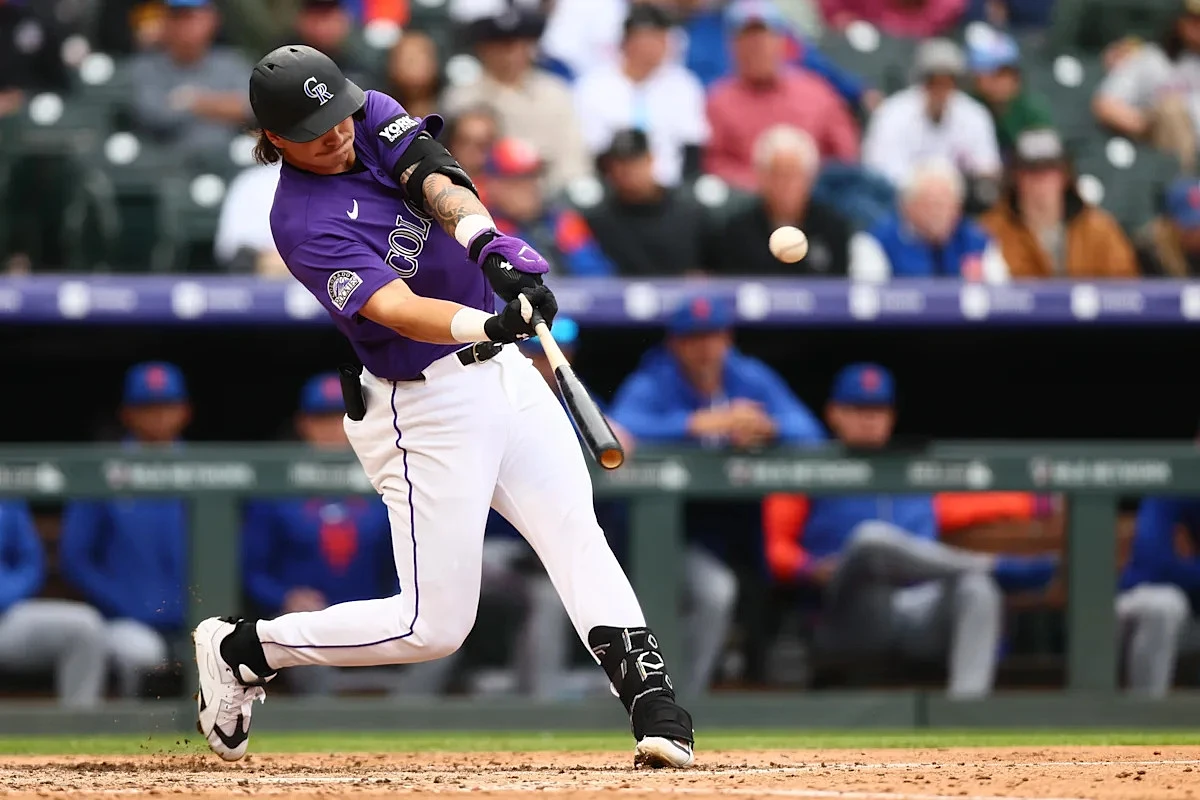
When it comes to baseball strategy, few things are as classic—or as debated—as the platoon system. As the legendary C. Montgomery Burns once quipped during a championship softball game, "It's called playing the percentages; it's what smart managers do to win ball games." While his decision to pinch-hit for Darryl Strawberry may have raised eyebrows, the logic behind it is timeless: put your players in the best position to succeed based on matchups.
For the Colorado Rockies, that philosophy has taken center stage this season. Manager Warren Schaeffer and the front office haven't reinvented the wheel, but they've certainly given it a spin. The use of platoon splits—tailoring lineups and substitutions based on pitcher handedness—has felt more pronounced than ever. The goal? Give the team, and each player, the best possible chance to win. But the big question remains: is it actually working for Colorado's offense?
Let's break down the numbers. As a team, the Rockies have predictably fared better against right-handed pitching. Through Tuesday's games, they rank seventh in batting average (.256) and eighth in OPS (.745) against righties, while collecting the second-most hits in the league (265). That's solid production, though it comes with some trade-offs: they also have the third-most strikeouts (284) and rank 18th in walks (101).
Against left-handed pitchers, however, the story takes a different turn. The Rockies sit 14th in batting average (.235) and drop to 25th in OPS (.643) against southpaws. They've managed just 84 hits (19th in MLB), while striking out 117 times (fourth-most) and drawing only 24 walks (second-fewest). Of course, context matters—the Rockies have faced far fewer lefties, with just 357 at-bats against them compared to nearly 700 more against right-handers. Still, the dip in production is noticeable.
So, what does this mean for the platoon approach? It's a mixed bag. While the Rockies are finding success in certain matchups, the overall unevenness suggests there's still room for fine-tuning. For fans and players alike, the hope is that these calculated risks will pay off as the season unfolds—because in baseball, just like in Springfield, sometimes the percentages are all you've got.