NBA Commissioner Adam Silver recently addressed the league's 65-game eligibility rule for major awards like All-NBA selections, acknowledging the inherent challenges of drawing any line in the sand. "We always knew whatever line we drew, there would be players that would fall on the other side of it—the low end," Silver explained, noting the potential for a sense of unfairness.
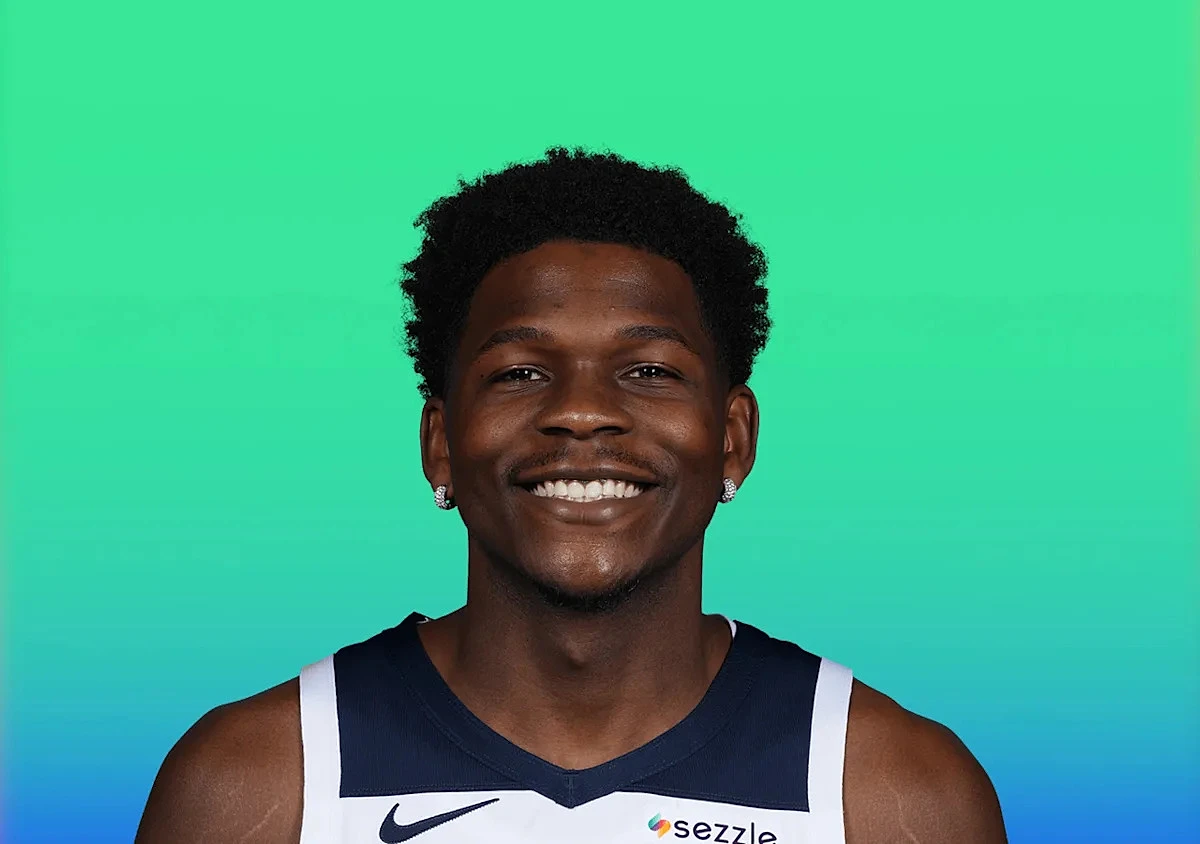
To address this, the league built in a provision for extraordinary circumstances. "If a player missed the 65-game threshold by a game or two due to an unusual reason over the course of the season, there'd be a process for making an exception," Silver said. He pointed to the case of Anthony Edwards, who finished with 60 games and missed the cut. "He had the right through the Players Association to appeal, and it went to an independent arbitrator who ultimately said, 'Sorry, you missed the 65-game line.'"
Silver emphasized the bigger picture: the rule's impact on player behavior and fan experience. "Look at the totality of players who might otherwise have rested and say, 'No, being All-NBA matters to me. I'm going to play those games I might have skipped.' Teams also know their players care, so they get them on the floor—and that's exactly what fans want to see."
This balancing act between competitive integrity and player health continues to shape the NBA landscape, ensuring that every game counts for both the stars and the stands.