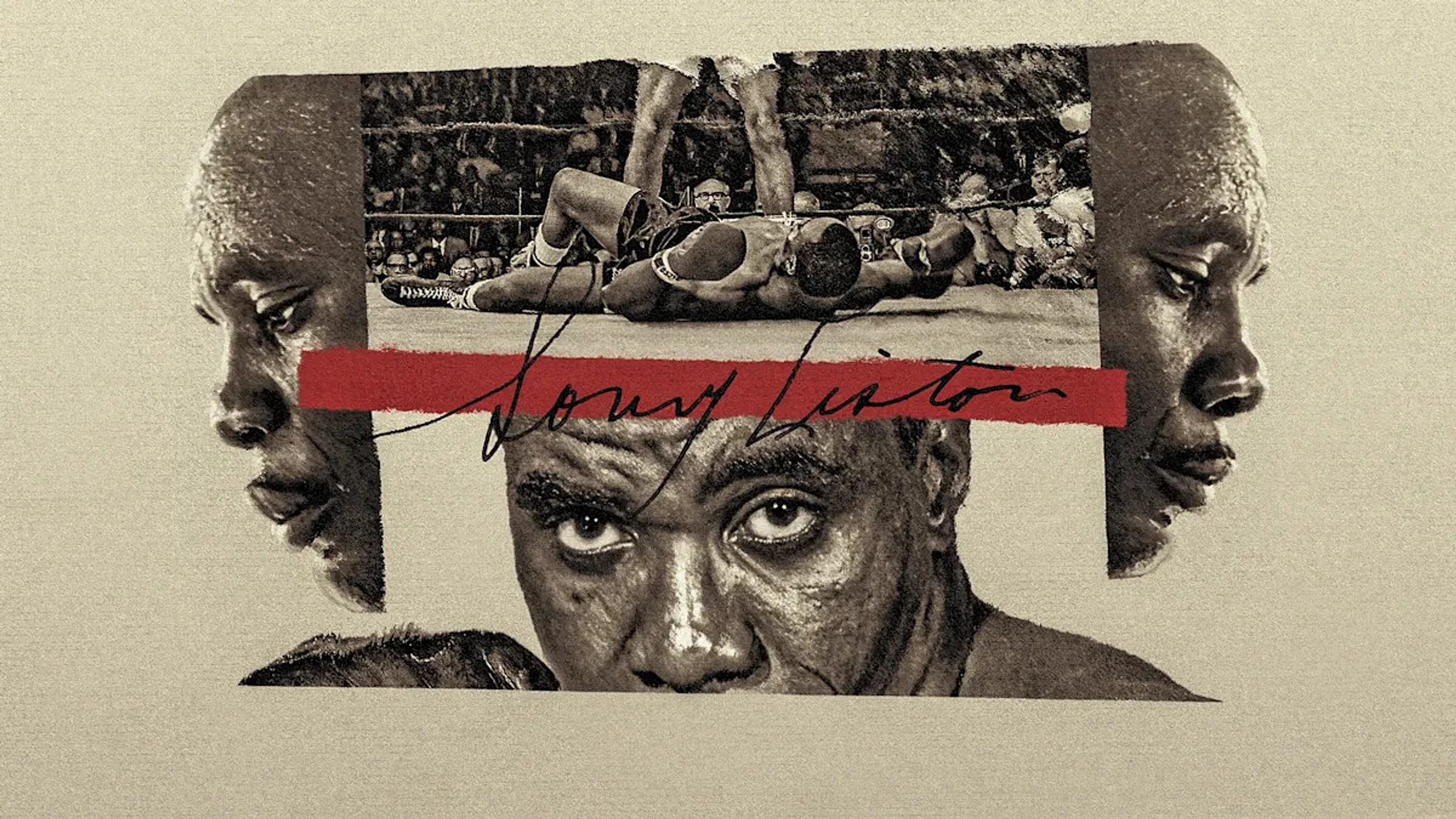
Sonny Liston remains one of boxing's most enigmatic figures—a Hall of Fame heavyweight who dominated the ring with sheer power and menace, yet whose legacy is often reduced to a single, iconic photograph: Muhammad Ali standing over him, fist cocked, after their 1965 rematch. But more than 40 years later, the mysteries surrounding Liston—his birth, his death, and that infamous night—still refuse to fade.
No one knows exactly when Sonny Liston was born. He's the only heavyweight champion of the 20th century about whom that can be said. It’s a fitting mystery for a man who seemed to emerge from nowhere, a fully-formed force of destruction, only to vanish again when no one was looking.
Even his death is shrouded in uncertainty. It likely occurred in the final hours of 1970, but the exact day remains unknown. In his obituary, journalist Joe Flaherty described Liston as "the menacing black man who invaded the subway of our souls at four in the morning." Poet Amiri Baraka called him "the big black Negro in every white man's hallway, waiting to do him in." Muhammad Ali, who took the heavyweight title from Liston in 1964 and later loomed over him in that famous photo, was more blunt when speaking to sportswriter Mark Kram years later.
Liston's origins are as murky as his end. He sometimes claimed Pine Bluff, Arkansas; other times Little Rock, or Memphis, Tennessee—even when all three were wrong. Arkansas didn't require birth certificates at the time, and Liston was born at home with a midwife. No official record exists. Over the years, even the year of his birth became a moving target.
In 1950, he said he was born in 1928. Testifying before the U.S. Senate a decade later, he claimed 1933. At one point, he insisted on May 8, 1932, warning that anyone who disagreed was "calling my mama a liar." But his mother set the record straight: January 8, 1932. She was most certain about the cold—she remembered it being bitterly cold on the Arkansas plantation where he was born.
These contradictions aren't just footnotes in boxing history. They speak to a man who was as much a symbol as a fighter—a sledgehammer with a shadowy past, tied to the mob, feared inside and outside the ring. And they keep alive the questions that still linger: Was that famous photo a lie? Did Liston take a dive? Or was he simply beaten by the greatest to ever do it?
For fans of boxing history and sports apparel alike, Liston's story is a reminder that the legends we wear on our chests—the names on vintage tees and throwback jerseys—often carry more weight than we know.