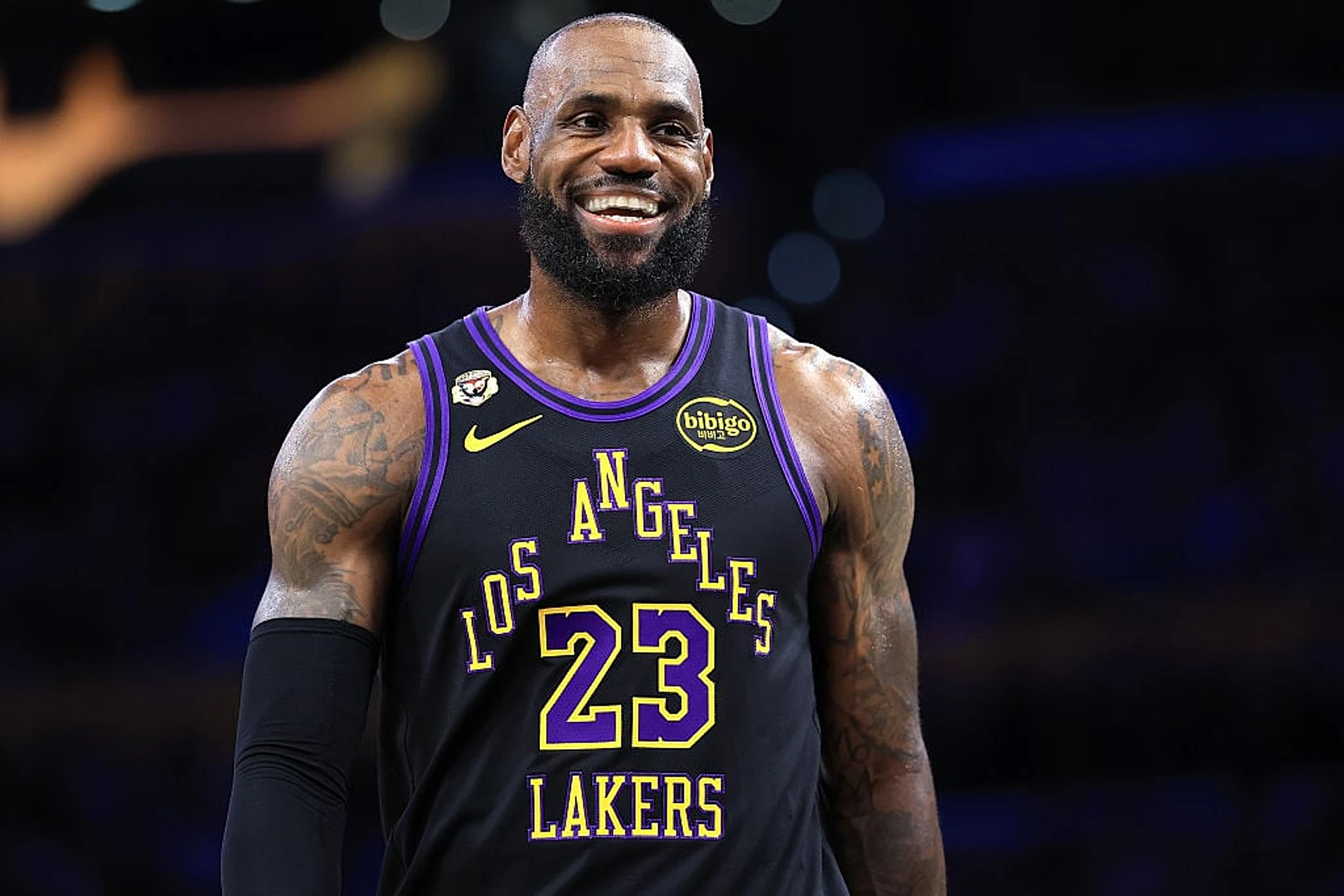

Win or lose, LeBron James always does the same thing right after a game: his recovery routine, including an ice bath, drinking a nutritious shake, and rehydration. Such dedicated care for his body has allowed “King James,” who at age 41 plays for the Los Angeles Lakers, to rule the NBA without serious injuries since 2003, redefining elite longevity in the process. “He’s been so successful over the years in large part because he goes the extra yard in the recovery process,” says Christopher Minson, a professor of physiology at the University of Oregon who trains endurance athletes.
As James holds court this week in a record-tying 19th NBA playoffs—one of his many longevity records—experts say non-pros can try his recovery strategies to prevent injuries and bounce back.
After working out, recovery is the phase where the body repairs itself for future exertion. Exercise stresses muscle fibers and temporarily drives inflammation; recovery eases the resulting muscle soreness. Insufficient recovery can lead to subpar exercise, injury, or illness.
Recovery doesn’t have to be fancy. It can mean plain old rest, or passive recovery: doing nothing in between workouts to recoup energy and let soreness dissipate.
However, many proactive strategies—some more evidence-based than others—are popular to speed up recovery, including ice baths, compression boots, and hyperbaric oxygen therapy. James has enthusiastically embraced more than a dozen of them over his career.
“It would be silly to propose that James’ recovery habits haven’t had a role in his prolonged dominance,” says Tim DiFransesco, a physical therapist and former Lakers strength coach, though factors like genetics and luck also contribute. DiFransesco’s time with the Lakers didn’t overlap with James, but he trained Kobe Bryant, another legend with a long career. It’s no coincidence that Bryant had a similar passion for recovery, DiFransesco says.
Read More: The 3 Words You Should Never Say to Someone Going Through a Hard Time
“Anecdotally, athletes who make it to the top for a long time do tend to take care of themselves,” though studying this phenomenon over many years is difficult, says Shona Halson, a professor at Australian Catholic University who studies recovery.
Smart recovery is especially important for aging bodies to handle the next exercise bout. James is no exception. “The morning after the game, that first step out of bed will let you know how old your ass is,” James told former player (and Hall of Famer) Steve Nash in 2025 on the “Mind the Game” podcast. Although James remains an athletic superstar with a vertical leap well over three feet, the NBA has subjected his body to extensive mileage; the impacts make recovery more demanding. That toll may mirror biological wear-and-tear in non-athletes caused by toxic stress, poor diet, or sedentary lifestyle, Minson says.
Tried-and-true fundamentals like sleep and nutrition are supported by more evidence than cutting-edge recovery technologies. They also cost less, in case you’re not a billionaire like James.
Think of recovery strategies as a pyramid, with the fundamentals at the base, and less-researched options closer to the tip, Halson says.
As a younger player, James grasped that the fundamentals were paramount. For example, he’s prioritized sleep above all else. Because “it’s most important,” he hits the sack at 9 p.m. even when his wife urges him to stay up later, he told Nash. He logs 8 to 10 hours per night.
Sleep loss impairs athletic performance and the ability to rebound from exercise. With a good night’s rest, people tend to feel less sore and more motivated to exercise the next day, Halson says.
Don’t worry about losing a few hours here and there, though, Minson says. A 2023 study showed most aspects of performance weren’t affected by night-to-night variation in sleep.
Another fundamental of James’ approach—at the base of the recovery pyramid—is periodization: breaking up one exercise type with other kinds. “Anyone who stays in one sport all the time will have a higher chance of repetitive injury,” Minson says. To avoid this, James takes a six-week vacation from basketball every summer.
He’s not exactly sitting on the couch, though. He’s busy with yoga, Pilates, stretching, massage, cupping, and zero-gravity running to “rejuvenate my body.” A research review found people who were active during recovery with lower-impact workouts like pool exercise (another favorite of James) experienced less muscle soreness.
Read More: Why It’s So Hard to Reach Your Doctor—and How to Actually Get a Response
James is also “brilliant” about ramping back to full basketball exertion, Minson says. A couple months before an upcoming season, he returns to the court and starts gradually raising his intensity each week until he reaches top form, James explained on the podcast.
Nutrition is another recovery pillar. After depleting exercise, it’s critical to have protein and carbs to replenish energy. Following games, once James hightails it to the locker room, he drinks a shake with plant-based protein and fruit, his longtime trainer Mike Mancias explained in 2018 on the “Tim Ferris Show.”
Hydration matters just as much, DiFransesco says. Most people “don’t realize how every system in your body is impacted by even slight dehydration,” DiFransesco says. Mancias said on another podcast that James drinks two gallons of water daily. That’s excessive if you’re not 6’9”. Just drink enough so that urine is pale yellow.