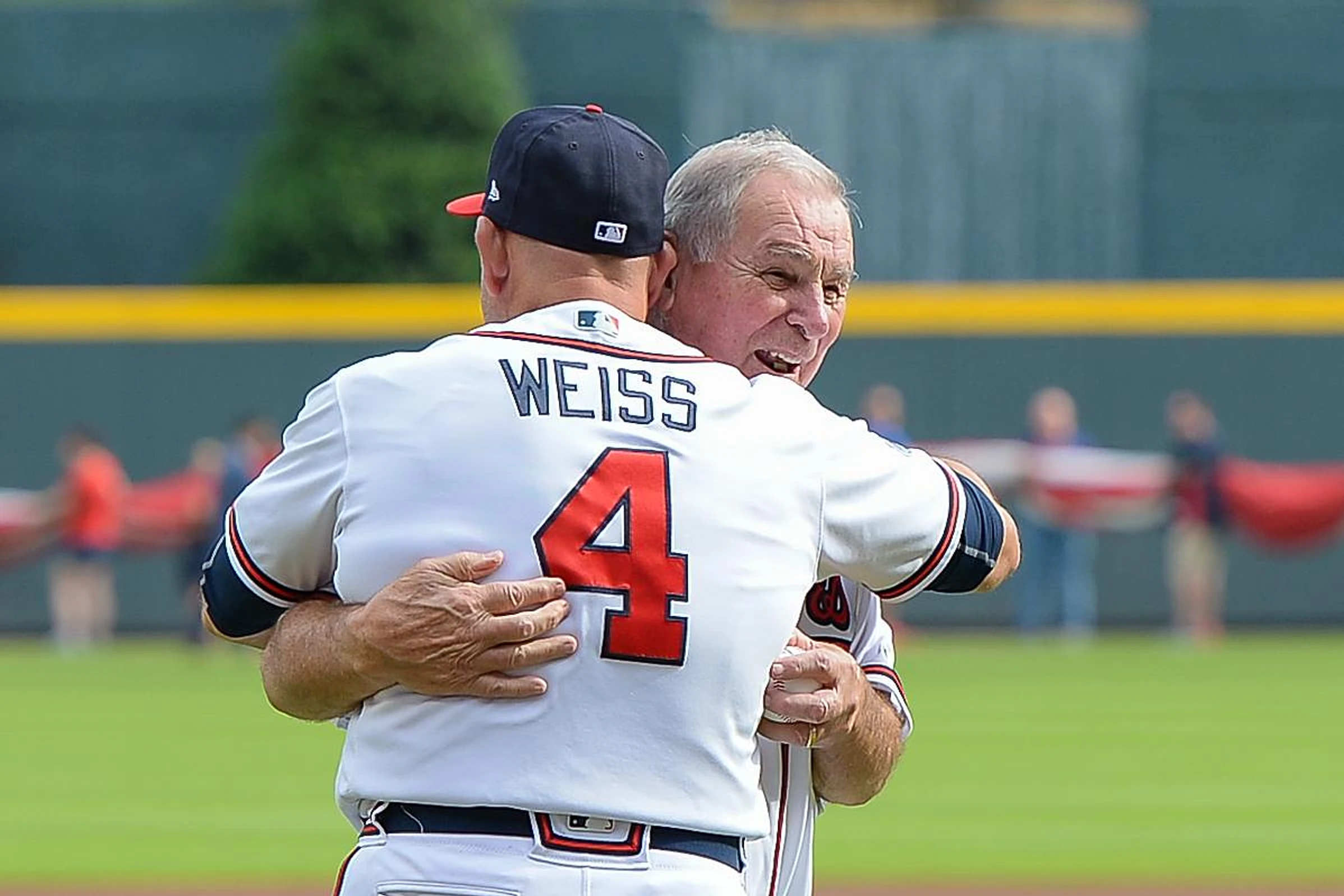
There was a special, bittersweet energy at Truist Park as the Braves returned home after a successful West Coast road trip. But the excitement of the series opener against the Chicago Cubs was tempered by a poignant sense of loss. This marked the first time the organization could properly honor two of its most iconic figures: former owner Ted Turner and legendary manager Bobby Cox, both of whom passed away while the team was away.
For those who played under Cox, the moment was deeply personal. Walt Weiss, who spent the final three seasons of his playing career (1998–2000) in a Braves uniform, shared heartfelt reflections on what it meant to be managed by the Hall of Fame skipper.
"I think everybody's done a really good job of communicating the legacy of Bobby Cox in the last several days. There's been a lot of great stories," Weiss told reporters. "A lot of confirmation about what a great leader he was and the impact he had on so many people."
Weiss, now a coach himself, spoke about how Cox shaped his own approach to leadership. "I was honored that I got a chance to play for him for three years. I always tell everybody that I wish everybody in the game could either play for Bobby or work for Bobby for at least one year, just to see how it's supposed to be done," Weiss explained. "He was a different type of leader and a different type of person based on the way he treated people. He just created loyalty with how he treated people. That respect always came back to him."
That loyalty wasn't just talk—it was felt in the clubhouse, especially during the highest-pressure moments. Weiss recalled his first spring training with the Braves, feeling the weight of the team's winning tradition. "I remember coming in my first year for spring training as a Brave and thinking, 'I don't want to be the one to screw this thing up,' so you get on board and you do things the way Bobby wanted them done."
Perhaps the most telling example of Cox's influence came after the 1999 World Series, when the Braves fell to the New York Yankees. "Every guy in the room felt like we let Bobby down," Weiss said. "That doesn't happen in professional sports. A lot of times, it becomes self-preservation. But with Bobby, it was different. You wanted to win for him."
Bobby Cox built more than just winning teams—he built a culture of respect, accountability, and genuine care that left an indelible mark on everyone who played for him. For fans and players alike, his legacy is a reminder that the best leaders don't just teach you how to play the game—they teach you how to carry yourself.