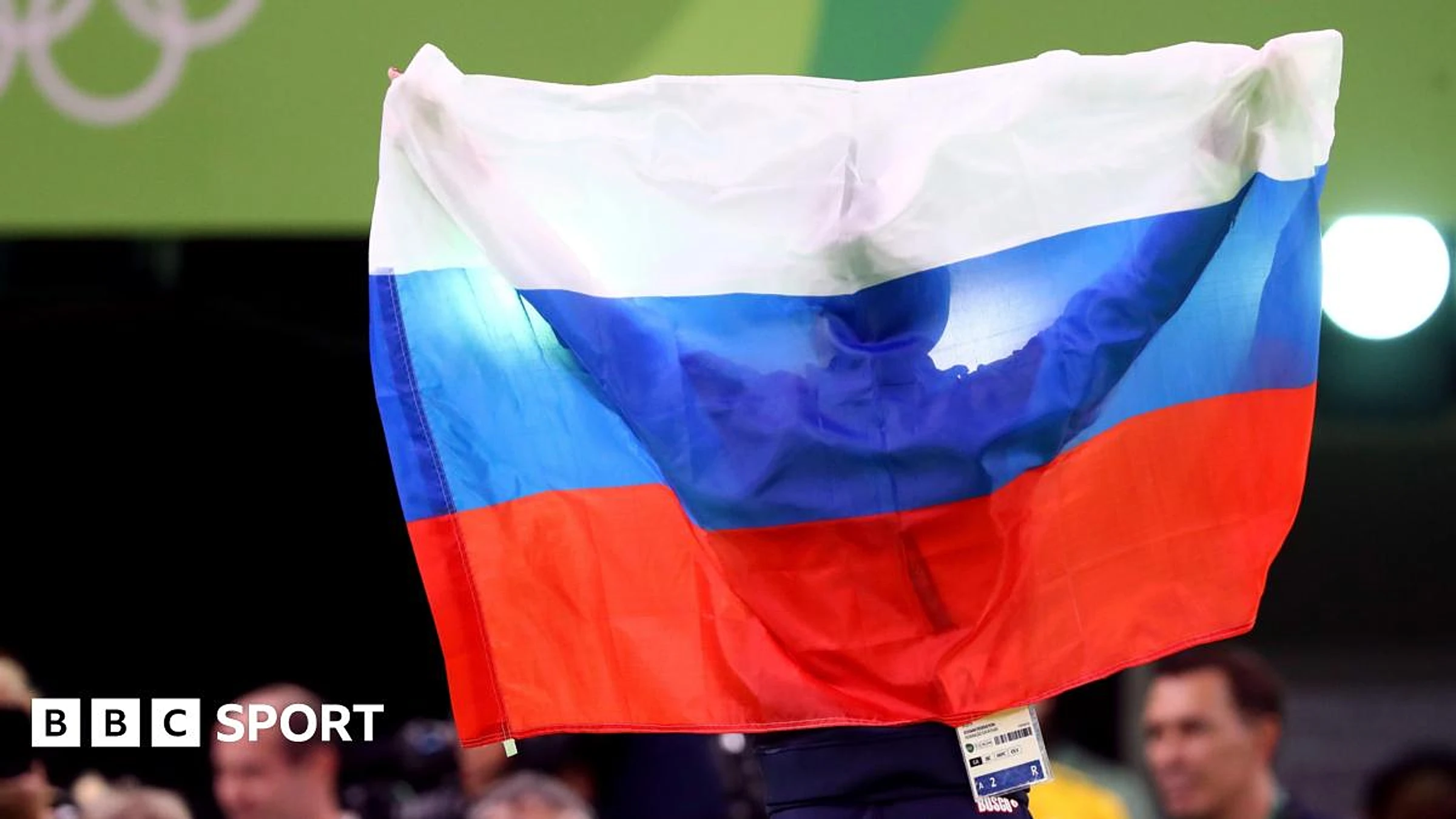
In a landmark development for clean sport, the World Anti-Doping Agency (WADA) has concluded its groundbreaking investigation, Operation Lims, resulting in over 300 sanctions against Russian athletes. The operation, which began with the seizure of Moscow laboratory data in 2019, has delivered 302 sanctions to 291 athletes across 22 different sports, marking what WADA President Witold Banka calls "the most successful investigation in anti-doping history."
The numbers tell a compelling story. Weightlifting leads the list with 107 sanctioned athletes, followed closely by athletics with 93. Eleven athletes face multiple violations, while four cases remain unresolved pending final judgment. These sanctions have been enforced by 23 different anti-doping organizations, demonstrating the far-reaching impact of the investigation.
The road to this moment wasn't straightforward. WADA first exposed Russia's state-sponsored doping program in 2015, leading to the Russian Anti-Doping Agency (RUSADA) being declared non-compliant. In a controversial move that drew sharp criticism—with one critic calling it "the greatest treachery against clean athletes in Olympic history"—WADA's executive committee voted to reinstate RUSADA in September 2018 under strict conditions.
That decision, according to Banka, was strategic. "The decision taken in 2018 to reinstate RUSADA under strict conditions—despite opposition from a vocal minority of critics—was made precisely in order to get to the truth," he explained. This approach paid off when WADA retrieved 24 terabytes of data from the Moscow laboratory in January and April 2019, providing the critical evidence needed to prosecute these cases.
The investigation also uncovered data manipulation, which ultimately led to Russia receiving a four-year ban from major sporting events. For athletes and fans who value fair competition, Operation Lims represents a significant victory in the ongoing battle against doping, sending a clear message that the integrity of sport remains paramount.