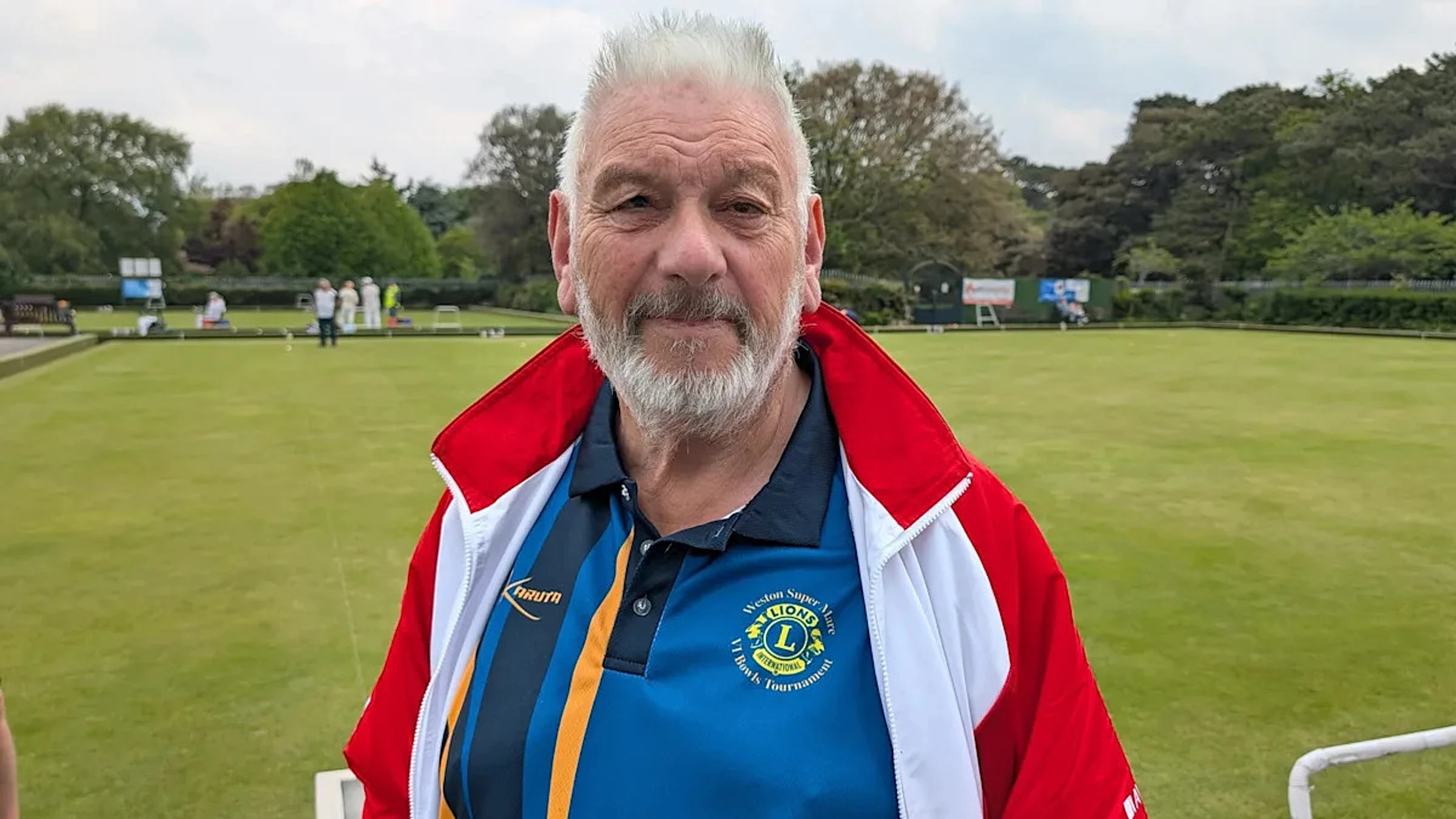
For Ron Homer, losing his sight in his mid-40s meant losing far more than just his vision—it cost him his job, his driving license, and a sense of purpose. But then, a simple recommendation from his social worker changed everything: try bowls.
"It's been a complete lifesaver," says Homer, now a member of the Yeovil Visually Impaired Bowls Club. What started as a hesitant first step onto the green quickly became a passion. "I plucked up the courage eventually, went up, had a few goes, and basically got the bug," he recalls.
That bug has taken him around the world. After winning a gold medal in New Zealand in 2015 and competing in South Africa and Australia, Homer has now been selected for the Commonwealth Games—an achievement he never imagined possible when he first lost his sight.
Homer's story is a powerful reminder that sport can be a lifeline, especially for those facing physical challenges. "I would encourage anybody with sight loss or any physical disability really, don't just sit at home watching the telly," he urges. "Get out, meet people."
Homer is one of about 38 players competing in the Weston Lions' Visually Impaired Bowls Tournament in Weston-super-Mare, held from May 7 to 10. Set up by David Stott about 15 years ago, the tournament has grown to attract players from Northern Ireland, Scotland, and Wales.
"We've got complete novices, people playing their first tournament ever, right up to internationals," Stott explains. He says the event provides "great moral support" and showcases bowls as "a wonderfully inclusive sport."
Adaptations make the game accessible for visually impaired players. A string runs down the center of the rink, helping partially sighted players judge their angle, while totally blind players can feel for the string to gauge distance. Markers call out the position of each bowl using a clock system, rather than remaining silent as in the sighted game.
For Homer, bowls isn't just a game—it's a second chance. And his journey from darkness to the Commonwealth Games is proof that no matter the setback, there's always a way to find your stride.