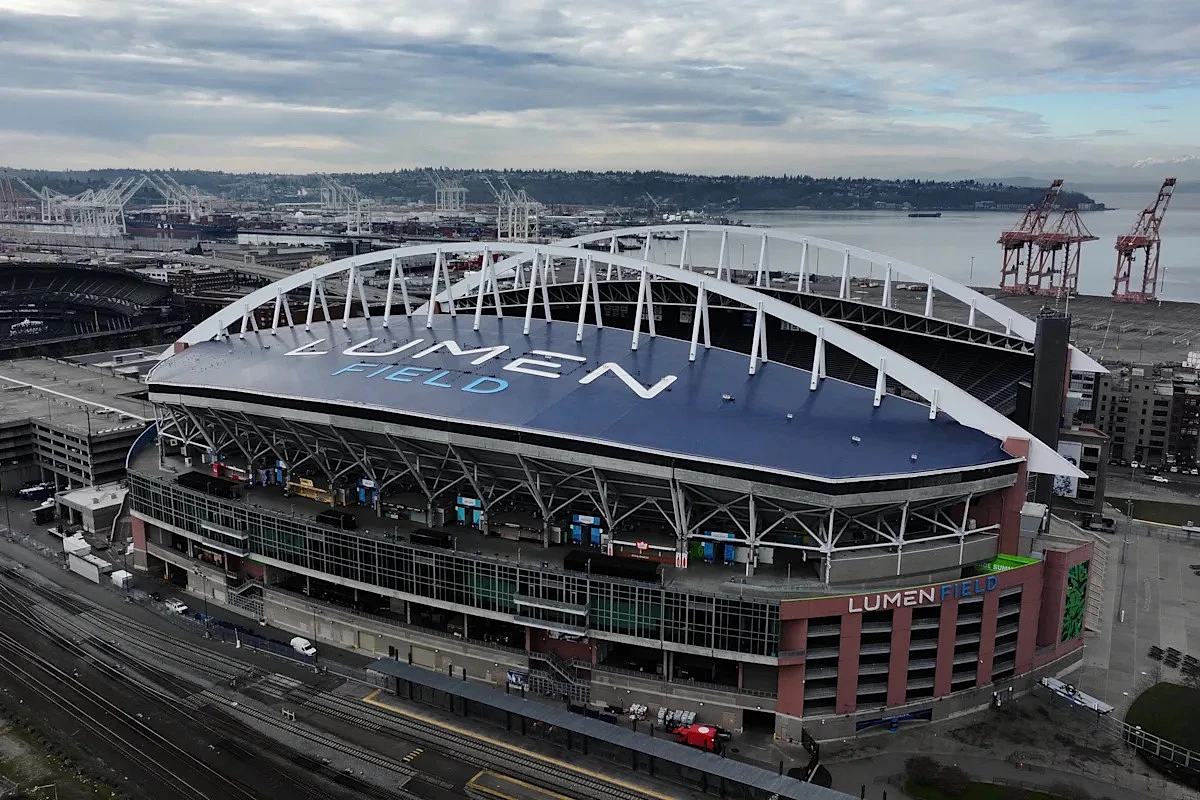
The U.S. Women's National Team is finally getting a feel for the new pitch at Seattle's Lumen Field, a crucial World Cup venue, as they prepare to face Japan in a high-profile friendly. This match marks a significant homecoming, as the team hasn't played at Lumen since 2017 due to its previous artificial turf surface.
The game serves as a major test for the newly installed hybrid grass—a state-of-the-art surface blending natural grass with synthetic fibers for enhanced durability and playability. This change is a direct result of the landmark 2022 collective bargaining agreement, which secured not only equal pay for the USWNT but also equitable playing conditions, mandating suitable grass fields.
Head coach Emma Hayes emphasized the importance of returning to the Pacific Northwest, a historic hotbed for women's soccer support. The fan response has been overwhelming, with over 35,000 tickets sold, setting a new record for a standalone women's match in Seattle and surpassing the attendance for Megan Rapinoe's 2023 retirement match with the Seattle Reign.
This installation is just the beginning. With FIFA mandating strict grass standards for the 2026 World Cup, eight stadiums across the host nations—including seven NFL venues in the U.S.—are undergoing similar transformations. The complex process at Lumen involved installing a new drainage system, a deep sand base, and finally the sod itself, all of which will be removed after the tournament concludes.
For now, the focus is on the players adapting to the surface. A good performance on this new grass will build confidence not only for their upcoming matches but also for the entire World Cup infrastructure project, proving that world-class soccer can thrive in multi-use stadiums with the right investment and preparation.