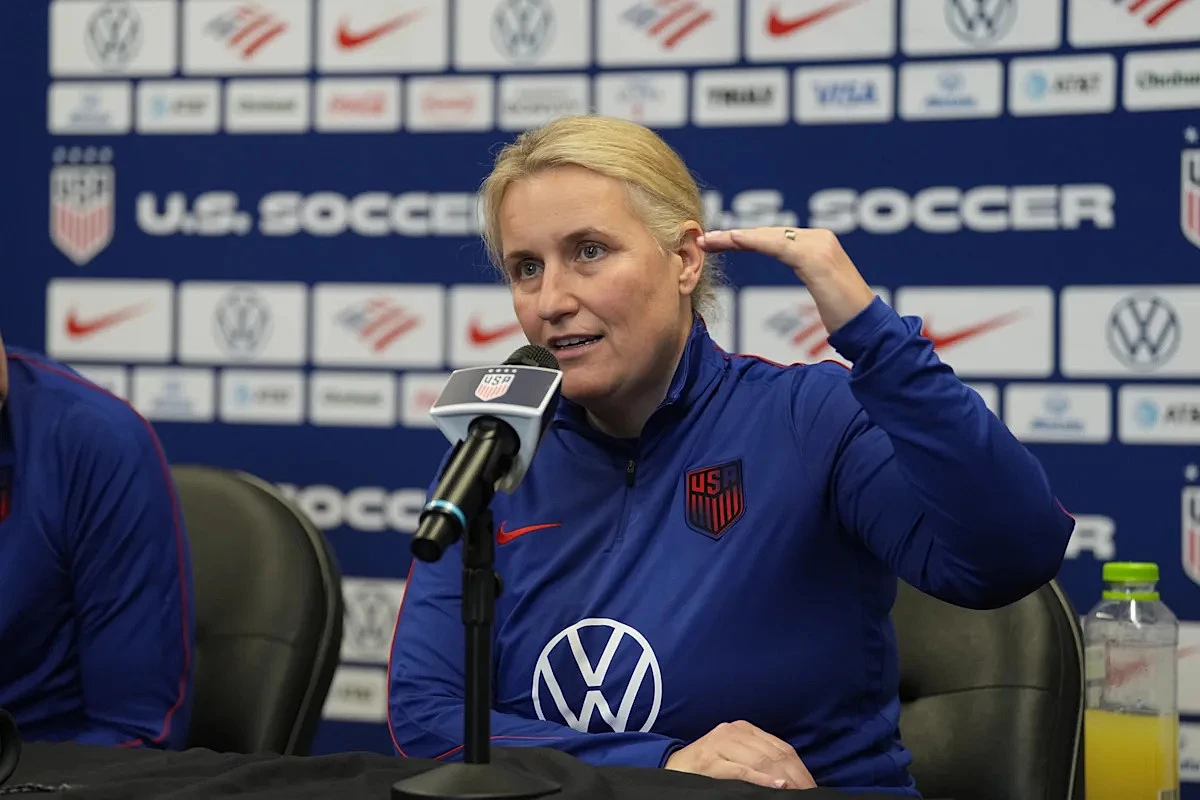
Losses are a rare event for the U.S. Women's National Team, a dynasty boasting an unparalleled 84% all-time winning percentage. Since 1985, only two of their 75 total defeats have come against Japan, with the most recent being a pivotal 2-0 loss in the 2025 SheBelieves Cup. That match marked the first setback under head coach Emma Hayes, who took the helm just eight months prior.
As the USWNT prepares for a challenging three-game series against Japan, that defeat has become a key reference point. Hayes has reflected on it often, viewing it as a snapshot of a team still finding its identity. Now, nearly a year into her tenure, she sees a squad that has evolved significantly. "As a coach, the things I look for are all the tactical, technical, psychological, social elements that come with the team, and I think we’ve progressed so much," Hayes stated. "That doesn't mean you're entitled to win anything. What it means is that we're in a better position now than we were then."
This April's roster reflects that growth, blending emerging talents who have adapted to her system with the steadying presence of returning veterans. Hayes believes the team now has a clearer understanding of its desired style of play. The upcoming matches present the perfect high-stakes test against a World Cup-qualified Japan side fresh off winning the AFC Women’s Asian Cup. "I have huge respect for [Japan], but we’re a good team," Hayes said. "I want us to demonstrate those things and bring the game to Japan. That’s what I’m most looking forward to, showing our identity on both sides of the ball at a much higher level."
The series will be the 43rd, 44th, and 45th meetings between these familiar foes, adding another chapter to a long-standing rivalry. However, Japan enters this FIFA window amidst transition, having recently parted ways with head coach Nils Nielsen. Long-time assistant and former U-20s coach Michihisa Kano will serve as interim head coach, adding an element of unpredictability to the contest.
For the USWNT, this is the ninth time they have faced a single opponent in three consecutive matches, a format that demands strategic depth and relentless focus. It's a crucial opportunity for the team to showcase its progress, adaptability, and the cohesive identity they've been building—a testament to the relentless pursuit of excellence that defines champions.