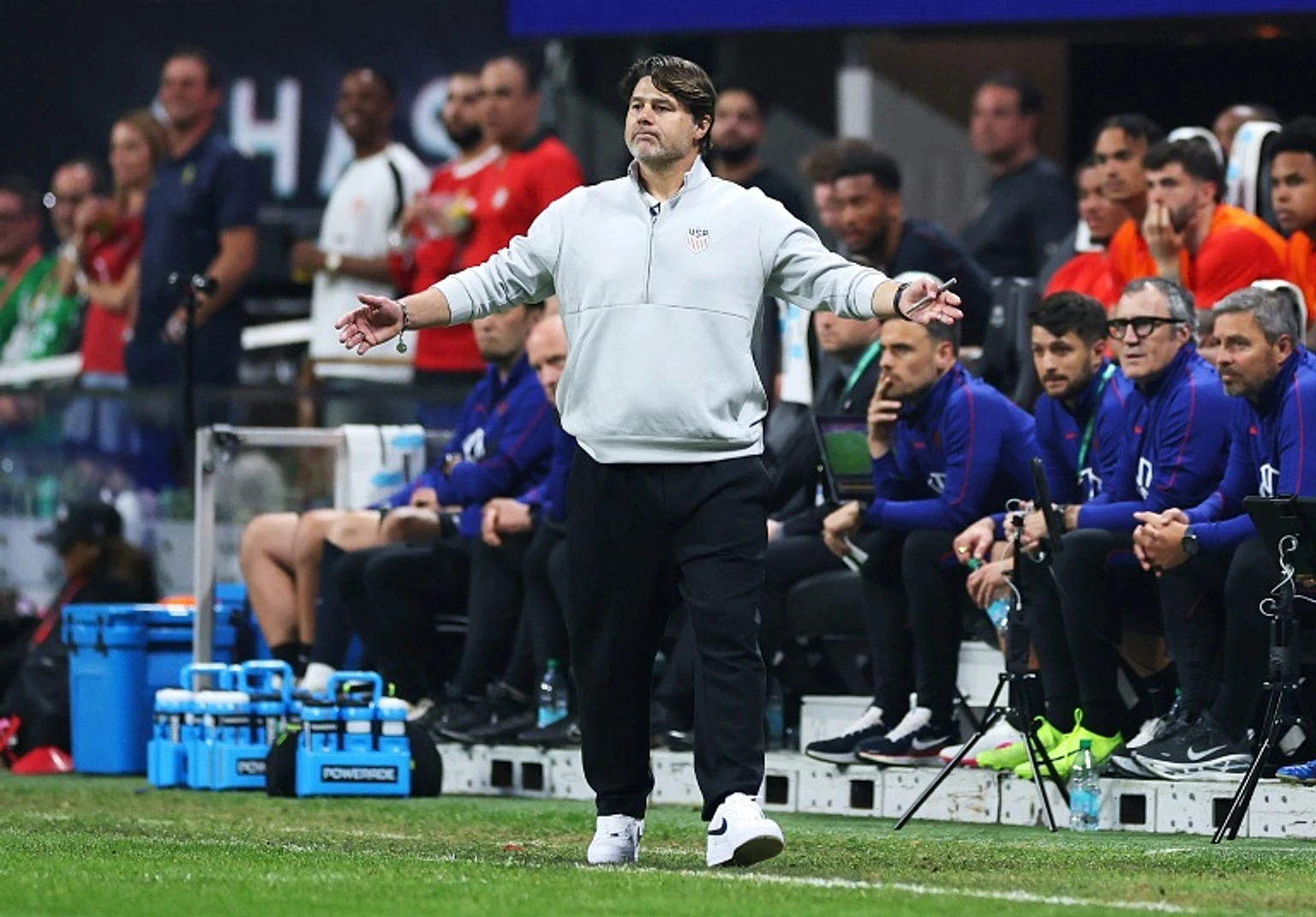
The United States men's national team is entering the upcoming World Cup with a new kind of energy—and it's not just because they're co-hosts. With home advantage, a favorable group draw, and a roster loaded with top-tier talent often called the country's "golden generation," head coach Mauricio Pochettino is sending a clear message to fans: "Why not us?"
It's a bold question for a nation that has historically been a footballing underdog. But the sport has surged in popularity since the US last hosted the tournament in 1994, and this squad is no longer just happy to be there. Young American stars are now leading some of Europe's biggest clubs. Christian Pulisic and Weston McKennie are making waves at Serie A giants AC Milan and Juventus, while captain Tyler Adams anchors the midfield at Premier League high-flyers Bournemouth. Add in Timothy Weah, who has been on a steady rise since the last World Cup, and you've got a core that's both experienced and hungry.
Pochettino, the Argentine manager who took over in late 2024, isn't shy about his ambitions. "I am here because I believe that we can win," he said this spring. "Why not us? Why not us? Why not us? We need to really believe that we can be there." It's the kind of confidence that gets fans dreaming—but it's also grounded in reality.
Of course, nobody is putting the US in the same conversation as heavyweights like France, Spain, or Argentina just yet. To make a deep run, they'll likely need to beat top European or South American opposition. Their Group D opponents—Paraguay, Australia, and Turkey—offer a manageable path, but the knockout rounds will be a different story. Recent results have been mixed. The team impressed with wins over Uruguay and Paraguay last year, but then came a 5-2 thrashing by Belgium and a 2-0 loss to Portugal in March, exposing familiar weaknesses against elite sides.
There are also concerns about Pulisic's form. The star forward hasn't scored since December and is no longer an automatic starter at Milan. Even Pochettino recently admitted that none of his players rank among the world's top 100—hardly a confidence booster for one of the team's biggest names. Still, the US took the second-youngest squad to the last World Cup in Qatar and reached the round of 16, falling to the Netherlands. On home soil, with a year more of growth and a coach who dares to dream big, this "golden generation" is ready to prove that they belong on the biggest stage.