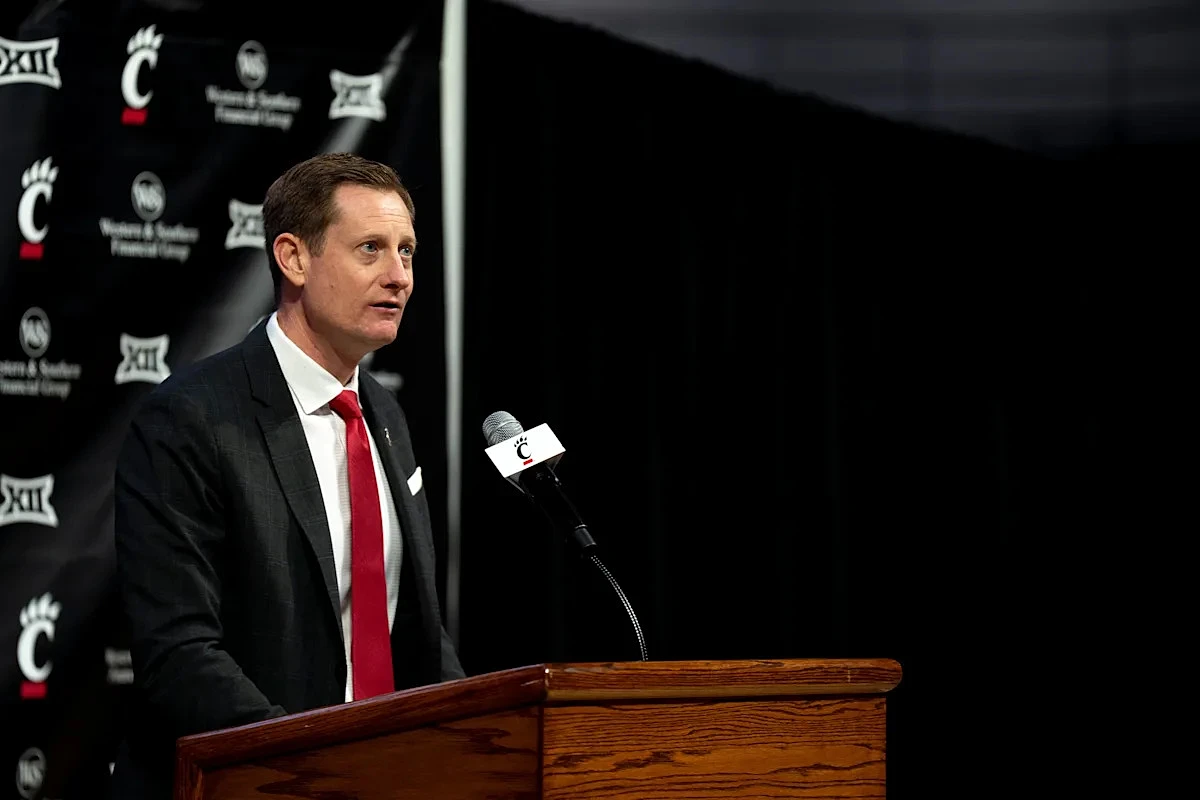
The University of Cincinnati athletics department has officially declined the Big 12's capital credit line, making it the sixth school in the conference to pass on the financial opportunity.
The Big 12 recently announced a "strategic partnership" with RedBird Capital and Weatherford Capital, bringing the league a $12.5 million infusion while offering member schools the option to access a $30 million capital credit line. However, UC Director of Athletics John Cunningham confirmed the decision on Wednesday, May 6, stating, "We appreciate the Big 12's continued focus on innovation and identifying creative ways to generate new revenue opportunities... At this time, Cincinnati does not plan to utilize the investment credit option."
This move comes amid major shifts in college athletics, particularly following the House vs. NCAA decision that took effect last July 1. The ruling has reshaped revenue sharing and payroll structures across the country, prompting schools to seek new funding sources. The Big 12's current media rights deal with ESPN and Fox—worth a staggering $2.28 billion—runs through 2031, making the conference an attractive partner for private equity firms eyeing future growth.
Cincinnati joins a growing list of Big 12 schools that have opted out, including Houston, BYU, UCF, West Virginia, and Utah. Notably, Utah's decision comes with a twist—they already have their own private equity partner, Otro Capital, in a $500 million deal that established Utah Brands and Entertainment LLC to oversee revenue-generating sports.
RedBird Capital, a key player in this conference-wide partnership, has an impressive portfolio that includes majority ownership of AC Milan (soccer), a stake in Fenway Sports Group (home to the Boston Red Sox, Liverpool FC, and PGA golf), and investments in Skydance Media, Paramount Global, and even LeBron James' SpringHill Company. Their involvement signals a new era where private capital is increasingly shaping the landscape of college athletics.
For UC fans and sports apparel enthusiasts, this decision reflects a cautious but strategic approach—one that prioritizes long-term stability over short-term financial gains as the Bearcats continue to find their footing in the Big 12.