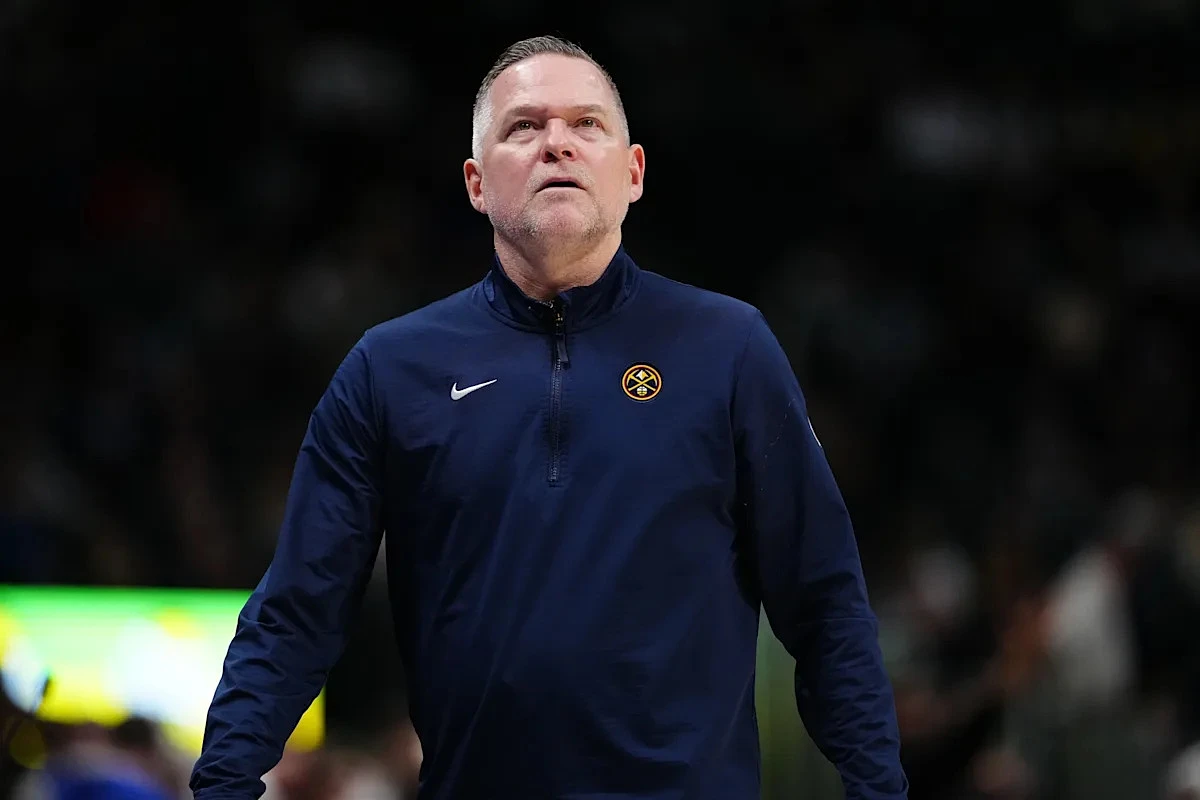
The college basketball season is officially in the books, but the action is just heating up in the coaching carousel. In a move that has the entire sport buzzing, the North Carolina Tar Heels have secured a major name, hiring former NBA champion coach Michael Malone. This bold decision is either a stroke of genius or a high-stakes gamble, with passionate arguments on both sides.
On paper, the upside is enormous. Malone isn't just a big name; he's a proven winner with a championship pedigree. Over a decade in the NBA, most notably with the Denver Nuggets, he compiled a 510-394 record, led his team to three Western Conference top seeds, and masterminded the franchise's first-ever NBA title in 2023. His player development resume is equally impressive, having been instrumental in shaping Nikola Jokic into a three-time MVP and fostering the growth of stars like Jamal Murray.
For a UNC program with championship aspirations, that kind of elite-level experience and a track record of building a winning culture is incredibly enticing. It signals a serious commitment to returning to the top of the college basketball mountain.
However, the move comes with inherent risk. The college and professional games are vastly different beasts. Malone hasn't coached at the collegiate level since 2001, a 23-year gap that presents a steep learning curve. He'll need to adapt to the relentless pace of recruiting, navigate the transfer portal, and manage the unique dynamics of working with amateur athletes—a far cry from the NBA's superstar-driven ecosystem.
Furthermore, his exit from Denver, following a reported power struggle despite a winning record, raises questions about how his intense, professional style will translate to a college environment. Can he build the same kind of long-term program stability in Chapel Hill?
Ultimately, North Carolina's gamble on Michael Malone is a fascinating case study. It's a bet on championship DNA and professional excellence over traditional college experience. If he can translate his NBA success to the collegiate ranks, it could be a program-defining hire. But if the adjustment proves too difficult, it risks being a short and turbulent chapter. One thing is certain: all eyes will be on Chapel Hill next season.