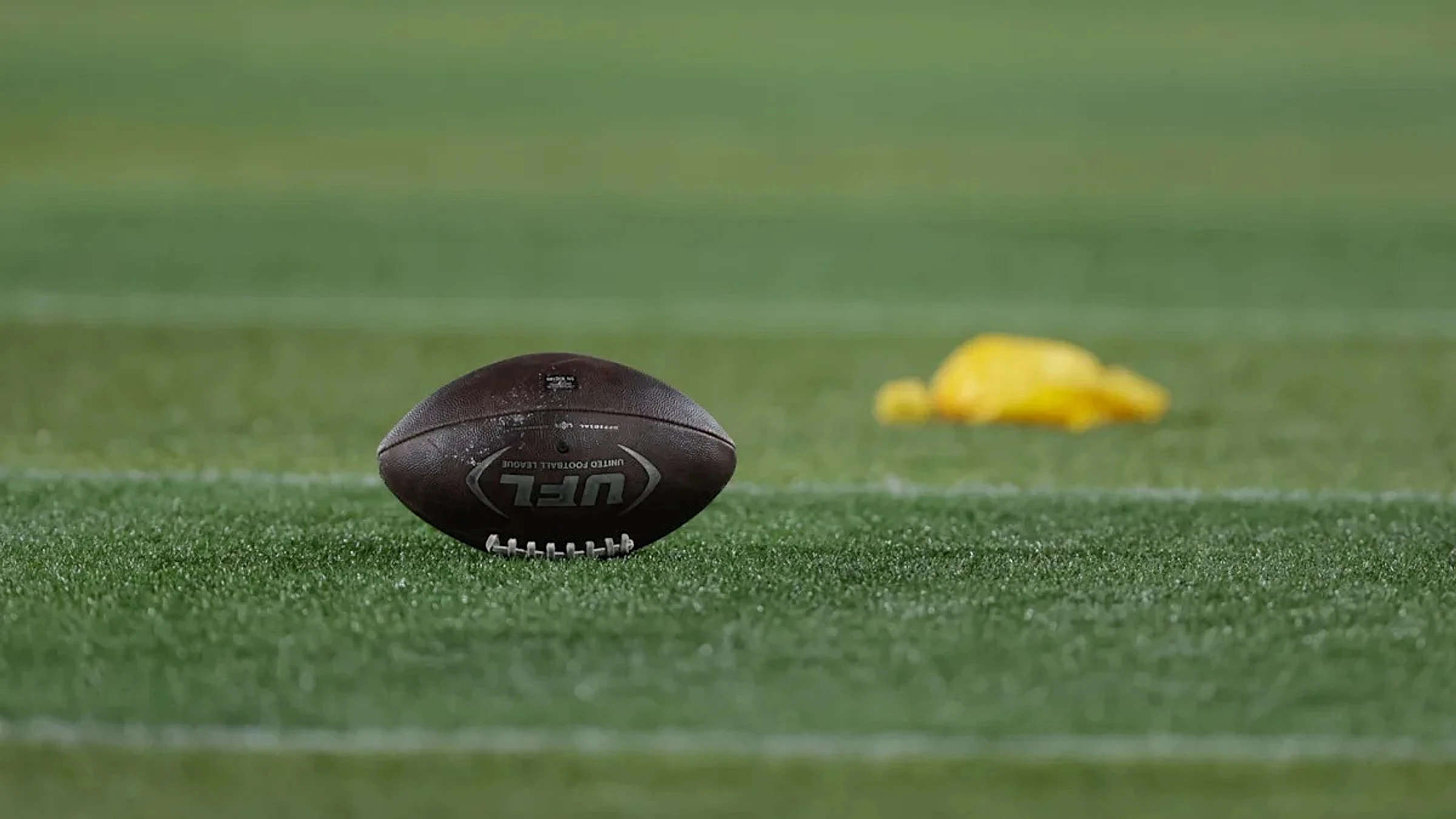
Last weekend's UFL overtime clash between the Orlando Storm and Louisville Kings ended in a way that left fans and officials scratching their heads. The game concluded not on a dramatic touchdown or a clutch defensive stop, but on a penalty. A unique rule quirk awarded a conversion to the offense after the defense committed a second foul during the overtime shootout, handing one team a victory that felt more like a technicality than a triumph.
The league took swift action. Dean Blandino, Fox's rules analyst who also serves as the UFL's head of officiating and rules innovation, announced a significant rule change just days later. "We heard you loud and clear," Blandino stated. "We're not afraid to change to make the game better."
The revised rule aims to preserve the core competitive spirit of overtime. Now, if the defense fouls on a failed try, the offense gets the ball at the 1-yard line. A subsequent foul moves it to the half-yard line, and another to the quarter-yard line, and so on. The key difference? The offense must still physically score. "If you want to win, you've got to get the ball in the end zone, not rely on your opponent to commit a foul," Blandino emphasized. This change prioritizes player execution over procedural penalties.
However, mid-season rule adjustments are always tricky. They can impact competitive integrity, as one game has already been decided under the old system. Furthermore, the new "inching forward" penalty structure presents a strategic dilemma. In a critical two-point conversion situation, a desperate defense might repeatedly foul to force a stop, reminiscent of the controversial offside tactics seen in recent NFL playoff history. The UFL is betting that moving the ball incrementally closer will be deterrent enough, ensuring the game's outcome is decided by athletic plays, not loopholes.