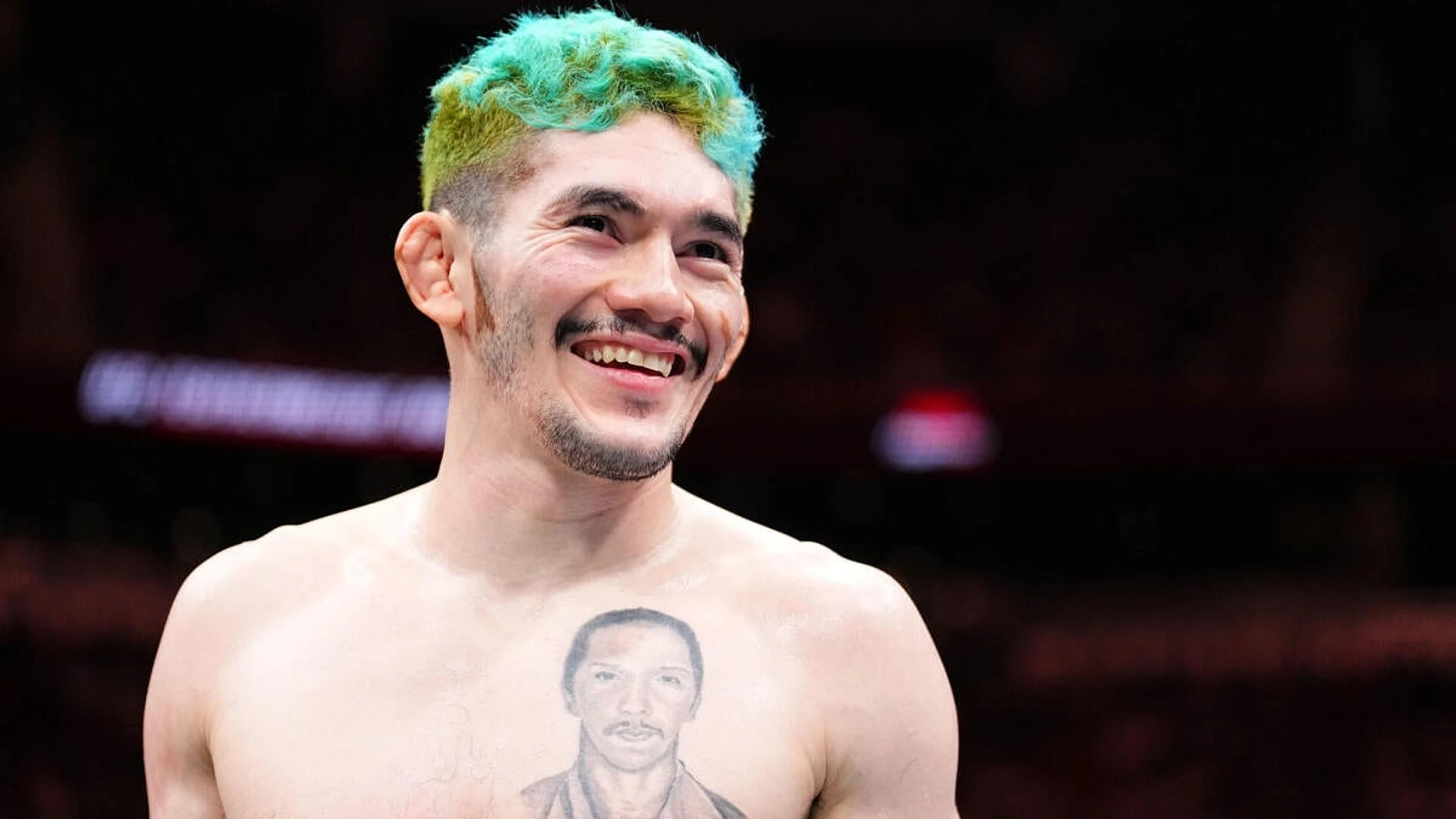
Melquizael Costa is no stranger to fighting—but his toughest battles didn't start in the Octagon. This Saturday, he steps into the spotlight of his first UFC Fight Night main event, an emphatic arrival for a man who once spent every day trying not to be seen.
Growing up with vitiligo in Brazil, Costa learned early what it felt like to be invisible in plain sight. Parents, believing his skin condition was contagious, would pull their children away from him. The stares followed him everywhere. So he retreated—to the countryside, away from crowded cities, away from a world that seemed unwelcoming. For years, attention meant judgment, and judgment meant pain.
"I wouldn't take my shirt off in public for anything," Costa recalls through a Portuguese interpreter, the memory still vivid.
But the same sport that now defines him also set him free. After a training session, a teammate asked Costa to pose for a photo without his shirt. Reluctantly, he agreed. What happened next changed everything.
"There was a really tall guy in the gym, and he said, 'Take your shirt off for a group photo,'" Costa says. "I learned that's something that happens all the time. And once I took my shirt off, no one cared. It was all in my head. I embraced it."
Before martial arts, Costa struggled to imagine a future unhindered by his appearance. His father, trying to protect him, discouraged his ambitions. Doctors and police officers wouldn't hire him, he was told. The same went for martial arts—too skinny, too frail, too different. Those doubts eventually gave way to something stronger: support.
"My family does support me," Costa says. "I think my father has a lot of pride, so back then, he didn't want to show how proud he was of me. After I knocked out my second opponent, he called and said, 'OK, I liked the knockout. But we have to do this and that.' That's when everyone stood behind me."
Now, Costa's father calls him before every fight to offer encouragement. And once that call ends, Costa says, it's game over for his opponent. The confidence that once felt impossible is now his greatest weapon—a reminder that what makes us different can also make us unstoppable.