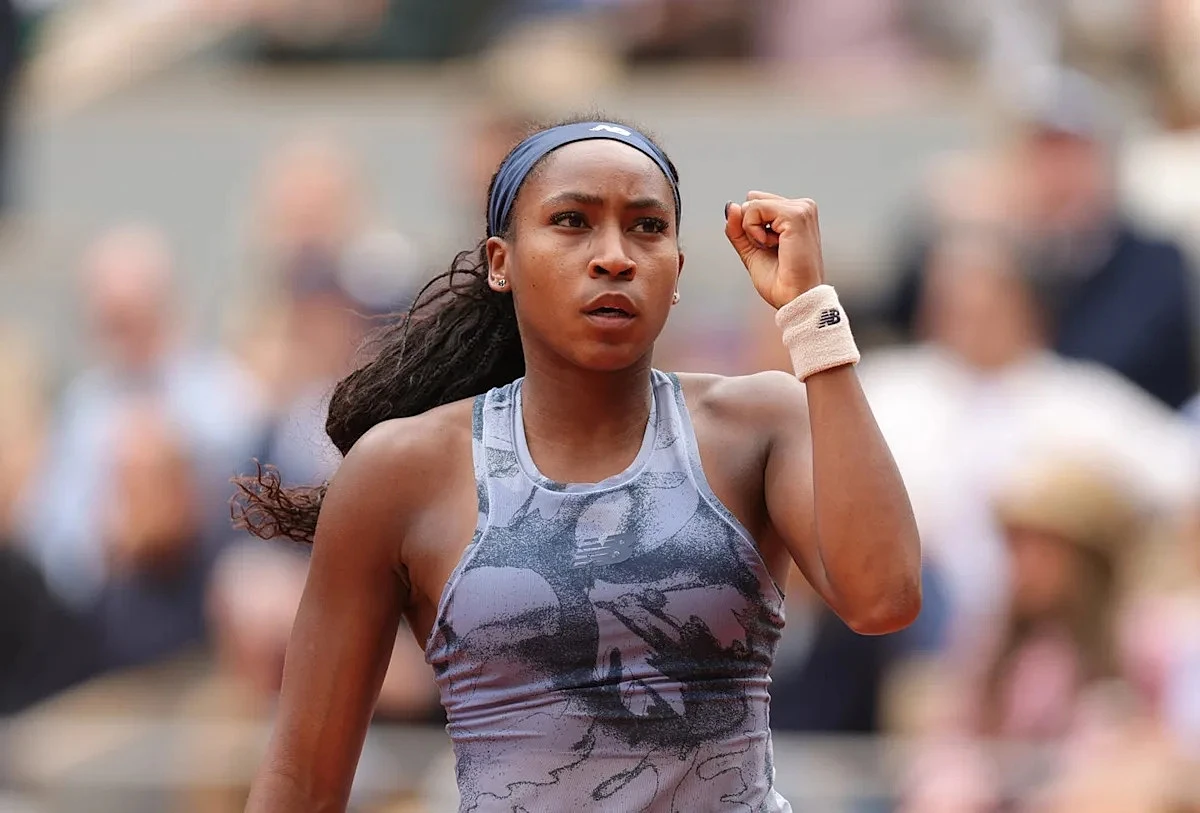
Top tennis stars are making headlines this week—not for their powerful serves or blistering forehands, but for speaking out against the French Open's 2026 prize money structure. Coco Gauff, Aryna Sabalenka, and Jannik Sinner are among the players expressing "their deep disappointment" with Roland-Garros, and the conversation is heating up fast.
Under the current plan, men's and women's singles champions will take home 2.8 million euros ($3.28 million), while runners-up earn 1.4 million euros ($1.64 million). On the surface, those numbers look impressive, but players argue they deserve a much bigger slice of the tournament's massive revenue pie. "Without us there wouldn't be a tournament and there wouldn't be that entertainment," Sabalenka said Tuesday at the Italian Open. "I feel like definitely we deserve to be paid more percentage." She didn't mince words about the potential fallout: "I think at some point we will boycott it. I feel like that's going to be the only way to fight for our rights."
The numbers tell a striking story. According to a statement posted by a group of players, the players' share of Roland-Garros tournament revenue has already dropped from 15.5% in 2024 to a projected 14.9% in 2026. With estimated revenues topping 400 million euros ($468 million) for this year's event, prize money as a percentage of revenue will likely still fall below 15%—far short of the 22% players have requested. For context, that 22% figure would bring Grand Slam payouts in line with what players receive at ATP and WTA Combined 1000 events.
But the grievances go beyond prize money. Per ESPN, players have other demands that have remained unaddressed by officials, including better representation, health benefits, and pensions across all four Grand Slams: the Australian Open, the French Open, Wimbledon, and the U.S. Open. Coco Gauff, ever the thoughtful leader, pointed to a potential solution. "From the things I've seen with other sports, usually to make massive progress and things like this, it takes a union," she told the Associated Press. "We have to become unionized in some way... We definitely can move more as a collective." When asked about the possibility of a boycott, Gauff was direct: "If everyone were to move as one and collaborate, yeah, I can 100% see that."
For Gauff, this fight isn't just about the headline-grabbing champions. "I definitely think there's a consensus around that this needs to be addressed for all players of all levels, especially the lower-ranked players, too," she said. "I want to leave the sport better than I found it. If I can say I played my part when I retire, that's all that matters."
Whether this growing chorus of criticism leads to real change—or a historic boycott—remains to be seen. But one thing is clear: the game's biggest stars are ready to serve up a powerful message off the court.