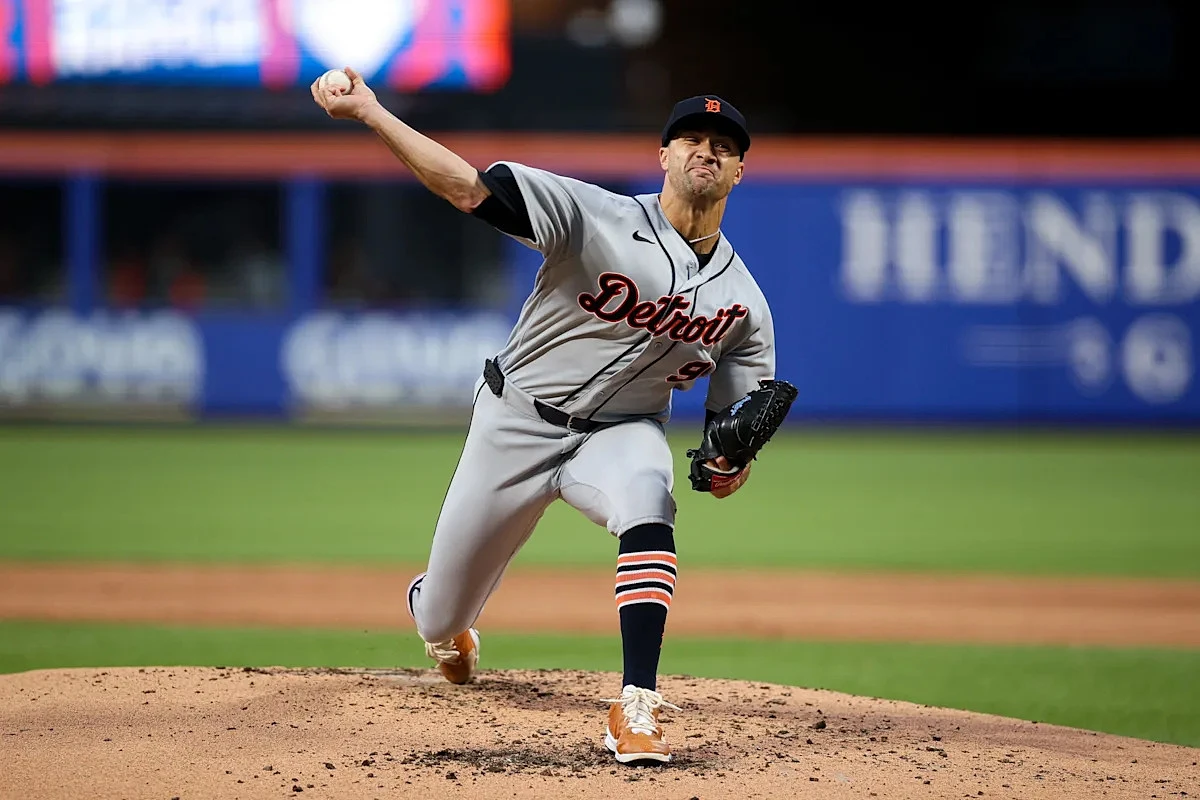
The Detroit Tigers walked away from Tuesday night's 10-2 loss to the New York Mets with more than just a loss on the scoreboard—they left with questions about three pivotal ball-strike calls that went against starter Jack Flaherty. None of those borderline pitches were challenged, and the decision (or lack thereof) became a major talking point in the post-game clubhouse.
Here's what happened: In the second inning, during an at-bat against Mets' MJ Melendez, two questionable calls occurred. The last came on a 3-2 pitch that appeared to land in the strike zone box but was called a ball. Instead of a strikeout to start the inning, Melendez earned a walk. Then in the third inning, a 2-2 pitch to leadoff hitter Bo Bichette that looked like a strike was also called a ball. Two critical moments, two missed opportunities.
"You can say good take," Flaherty said after the game. "They were called balls and we should've taken advantage of the system we have in place."
So why didn't Flaherty or catcher Dillon Dingler challenge those calls? The answer reveals the tricky balance teams face with the challenge system. Dingler, who boasts an impressive 20-5 record on catcher-pitcher challenges, had already lost a challenge earlier in the Melendez at-bat. That left the Tigers with just one challenge and eight innings still to play.
"It always makes you a little gun shy when you lose one early," Dingler explained. "I don't know why I felt the need to do it that early, to be honest. But you try to minimize those because it makes everybody gun shy once you burn one."
There's another layer to this story: catchers don't have the luxury of a strike zone box during live action. They're playing in real time, and Dingler admitted he didn't get a clean look at the two pitches to Melendez. "Those pitches I had to catch going back across my body," he said. "Where I don't have a good idea of where it crosses (the plate). Those two that were strikes, one went up and in to down and away. The other went up and in to down and in. I can't see that."
It's worth noting that Dingler is among the best in the league at making accurate challenges. He's also a master at framing pitches, often tricking hitters into not challenging calls at all. In fact, baseball data site Codify recently ranked the Tigers fifth in MLB with 110 pitches outside the strike zone that were called strikes—a testament to Dingler's skill behind the plate.
But in a game where every pitch matters, even the best catchers can face tough decisions. For the Tigers, Tuesday night was a reminder that the challenge system is a powerful tool—but only if you're willing to use it at the right moment.