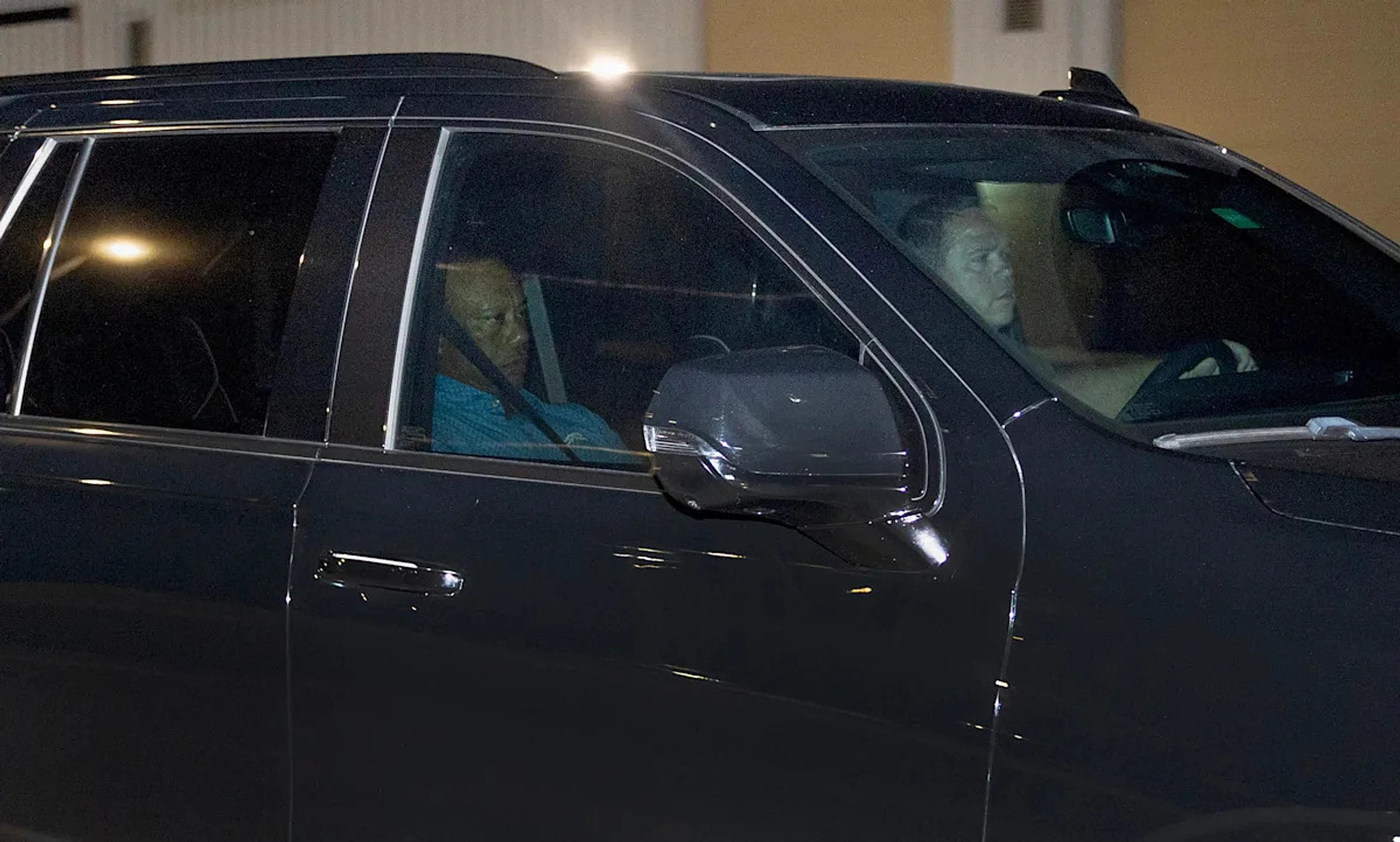
Tiger Woods, the legendary golfer whose name is synonymous with sporting greatness, now faces a serious legal challenge that could impact his future both on and off the course. The 50-year-old, a five-time Masters champion, has been formally charged with two misdemeanors: driving under the influence and refusing to submit to a chemical or physical test. These charges stem from a dramatic rollover crash last month near his home in Jupiter Island, Florida.
According to reports, the incident occurred when Woods attempted to pass a truck. His Land Rover subsequently overturned, requiring him to crawl out of the window. While he passed a breathalyzer test at the scene, his refusal to undergo a urinalysis led to his arrest. He was later released on $1,150 bail.
Bodycam footage from the arrest reveals Woods telling officers he was looking at his phone just before the collision. The video also shows an officer administering a field sobriety test. Woods confirmed he had taken multiple prescribed medications prior to driving. The arresting officer stated she believed his "normal faculties are impaired" by an "unknown substance," placing him "at risk for DUI." During the search, prescription painkillers were reportedly found in his possession.
Woods has pleaded not guilty to the charges and has demanded a trial by jury. In a statement following the incident, he indicated he would be "stepping away for a period of time" to seek help. This personal setback led to his confirmed withdrawal from this year's Masters Tournament, a poignant moment for fans who have followed his incredible career and hard-fought comebacks from injury.
For athletes and fans alike, this situation underscores the critical importance of responsibility and safety, principles that extend far beyond the game. As this legal process unfolds, the sports world watches, hoping for a resolution that prioritizes health and well-being.